How to Set Up Your First Fish Tank: A Beginner's Budget Guide
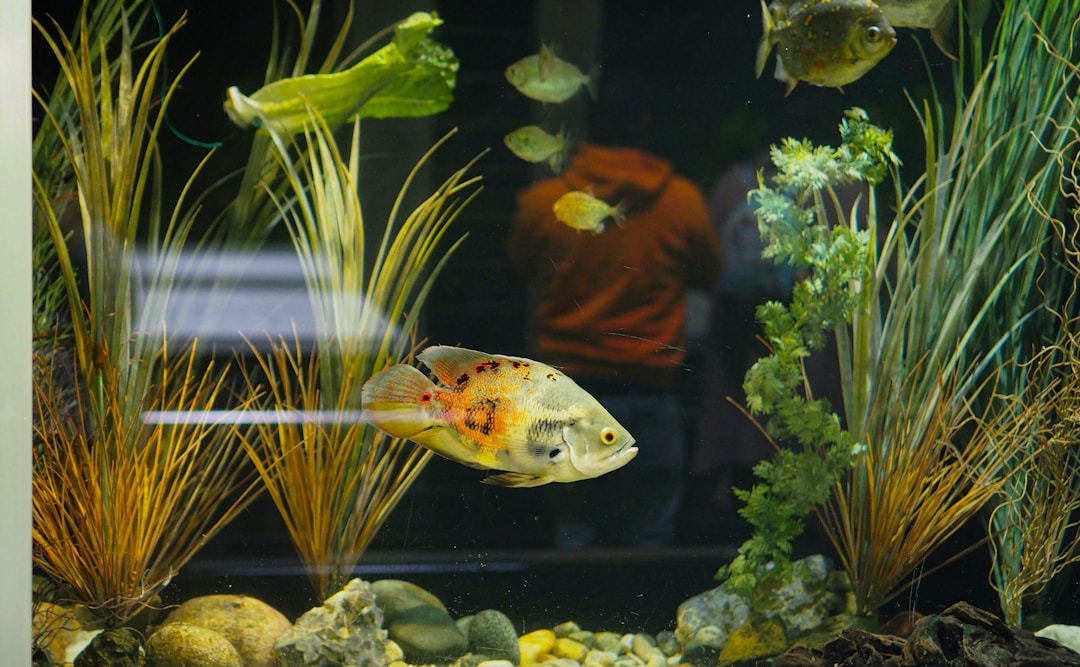
Starting your first fish tank does not have to be expensive or complicated. You can set up a quality 40cm aquarium for under $50 by focusing on three essential components: a low-iron glass tank, a reliable filter, and adequate lighting. This guide shows you exactly what to buy and what mistakes to avoid.
The Direct Answer: Your Minimum Budget Setup
A beginner can set up a quality 40cm fish tank for approximately $40-45 USD by purchasing three essential items:
- Low-iron glass tank (40cm) - approximately $10-15
- Hang-on-back canister filter (like UP120) - approximately $15-20
- LED clip light - approximately $8-10
This setup gives you clear glass for better viewing, sufficient filtration for a small community of fish, and proper lighting for both fish and simple plants.
Why This Approach Works
The three-component approach separates essential hardware from optional aquascaping. Here is why each piece matters:
Canister filters provide superior biological filtration compared to cheap waterfall filters. The filter media houses beneficial bacteria that convert toxic ammonia from fish waste into less harmful compounds. This biological filtration supports higher fish density and more stable water parameters.
Low-iron glass offers better clarity than standard glass. The reduced green tint makes your fish and plants look more vibrant. The visual improvement is noticeable without significantly increasing cost.
LED lighting designed for planted tanks provides adequate light for low-demand plants while consuming minimal electricity. Modern LED clip lights are compact, adjustable, and often include dimming features.
Two Recommended Configurations
40cm Tank Configuration (Recommended for Beginners)
A 40cm tank is ideal for learning the basics without overwhelming maintenance:
| Component | Specification | Approximate Cost |
|---|---|---|
| Tank | 40cm low-iron glass, rimless | $10-15 |
| Filter | Hang-on-back canister (UP120 or similar) | $15-20 |
| Light | LED clip light (Neo S3 Pro or equivalent) | $8-10 |
| Heater | 50W adjustable heater (optional for coldwater) | $8-12 |
| Total | $41-57 |
This size comfortably houses 6-8 small fish like tetras or danios, or a single betta with a few tank mates.
50-60cm Tank Configuration (For Those Wanting More)
If you have space and budget, a larger tank is actually easier to maintain:
| Component | Specification | Approximate Cost |
|---|---|---|
| Tank | 60cm low-iron glass | $25-35 |
| Filter | External canister filter or larger HOB | $30-50 |
| Light | LED bar light (50-60cm) | $15-25 |
| Heater | 100W adjustable heater | $10-15 |
| Total | $80-125 |
Larger tanks have more water volume, which means parameters stay more stable. Temperature and ammonia spikes happen more slowly, giving you time to react.
Filter Type Comparison
Choosing the right filter is critical for fish health. Here is how the main types compare:

Hang-on-Back Canister Filters
Pros:
- Space-efficient, hangs on the tank rim
- Clean aesthetic with minimal visible equipment
- Good biological and mechanical filtration
- Easy to clean and maintain
Cons:
- Limited media capacity compared to external canisters
- Slightly higher cost than basic waterfall filters
Best for: 40-60cm tanks where aesthetics matter. The UP120 and similar models are popular choices for their balance of performance and appearance.
Waterfall (HOB) Filters
Pros:
- Very affordable
- Simple design, easy to understand
- Good surface agitation for oxygen
Cons:
- Limited biological filtration capacity
- Often loud
- Less effective for heavily stocked tanks
Best for: Very small tanks (under 30cm) or temporary hospital tanks.
Top Filters (Trickle Filters)
Pros:
- Excellent biological filtration with multiple media layers
- Easy to customize filter media
- Great water circulation
Cons:
- Occupy space above the tank
- Less aesthetically pleasing
- Can be noisy
Best for: Larger tanks (60cm+) where filtration capacity matters more than appearance. Fish rooms and breeding setups often use top filters.
External Canister Filters
Pros:
- Maximum filtration capacity
- Hidden under the tank stand
- Very quiet operation
- Versatile media options
Cons:
- Higher cost
- More complex maintenance
- Requires space under the tank
Best for: Tanks 60cm and larger with heavy stocking or sensitive species.
Five Mistakes Beginners Must Avoid
1. Buying All-in-One “Beginner” Tanks
Pre-assembled starter kits typically include undersized filtration and poor lighting. The filter that comes with these kits is often barely adequate for the tank size, and the lights rarely support plant growth. You end up replacing these components within months, wasting the initial investment.
Instead: Buy components separately. Focus on the tank, filter, and light as individual purchases where you can choose quality.
2. Choosing Curved Glass or Round Tanks
Curved glass tanks distort the view of your fish and plants. The bent glass creates optical distortions that make the tank look larger than it is. Round “fish bowl” style tanks have even worse problems: they provide less swimming space per gallon and make maintenance difficult.
Instead: Choose standard rectangular tanks with flat glass panels. Low-iron glass is worth the small extra cost for the improved clarity.

3. Starting With Fish on Day One
The most common beginner mistake is adding fish immediately after setting up a new tank. Without established beneficial bacteria, ammonia from fish waste builds up to toxic levels quickly. This “new tank syndrome” kills fish within days or weeks.
Instead: Cycle your tank first. The nitrogen cycle establishes the bacteria that process fish waste.

The cycle takes 2-6 weeks. You can speed it up by using bacteria supplements or borrowing filter media from an established tank.
4. Overstocking the Tank
New aquarists often want to fill the tank with fish immediately. Overcrowding leads to poor water quality, stressed fish, and disease outbreaks. The “one inch of fish per gallon” rule is outdated and dangerous for larger fish.
Instead: Stock slowly. Start with a few hardy fish after cycling. Add more gradually over weeks or months, testing water parameters between additions.
5. Ignoring Water Changes
Some beginners believe filters eliminate the need for water changes. While filtration removes some waste, it does not remove nitrates, the end product of the nitrogen cycle. Nitrates accumulate over time and stress fish.
Instead: Perform weekly partial water changes of 20-30%. This removes accumulated nitrates and replenishes minerals in the water.

Next Steps After Hardware Setup
Once you have your tank, filter, and light in place:
-
Cycle the tank - Add ammonia source (fish food or pure ammonia) and test for ammonia, nitrite, and nitrate daily. The cycle is complete when ammonia and nitrite read zero with nitrate present.
-
Choose hardy starter fish - For freshwater, consider zebra danios, white cloud mountain minnows, or platies. These species tolerate the minor parameter fluctuations common in new tanks.
-
Add plants (optional but recommended) - Easy plants like Java fern, Anubias, and Amazon sword help absorb nitrates and provide cover for fish.
-
Establish a maintenance routine - Weekly water tests, partial water changes, and filter cleaning (never replace all media at once).
Summary Checklist
- Purchase low-iron glass tank (40cm recommended for beginners)
- Get a hang-on-back canister filter rated for your tank size
- Choose an LED light suitable for planted tanks
- Add heater if keeping tropical fish
- Cycle the tank before adding fish (2-6 weeks)
- Start with hardy fish, add slowly
- Perform weekly 20-30% water changes
- Test water parameters regularly
Setting up your first fish tank is straightforward when you focus on the essentials. Avoid the gimmicky starter kits and decorative tanks. Invest in a simple rectangular tank, adequate filtration, and proper lighting. Cycle the tank before adding fish, stock slowly, and maintain a regular water change schedule. Follow these steps, and you will have a healthy, beautiful aquarium that is genuinely enjoyable to keep.
Comments