Can Daily Water Changes Cure Fish Disease Without Medication?
When your fish gets sick, you might wonder: can I just do water changes instead of using medication? The short answer is that daily water changes can help fish recover from mild conditions, but they cannot cure serious bacterial, fungal, or parasitic infections. The effectiveness depends entirely on what disease your fish has and how advanced it is.
When Water Changes Actually Work
Water changes help when the problem is environmental rather than infectious. If your fish is stressed from poor water quality—high ammonia, nitrite, or nitrate—daily partial water changes can turn things around quickly.
The mechanism is simple: dilution removes the toxins stressing your fish, and clean water allows their immune system to function properly. Fish in pristine water can sometimes fight off minor bacterial or fungal issues on their own.
Conditions that may respond to water changes alone include:
- Mild fin nipping or torn fins from fighting
- Early-stage swim bladder issues related to water quality
- Stress-related clamped fins or lethargy
- Minor ammonia or nitrite spikes
In these cases, improving water quality removes the stressor, and the fish heals naturally.
When Water Changes Are Not Enough
Water changes cannot kill pathogens. They dilute them, but they do not eliminate bacteria, parasites, or fungi that have already infected your fish.

Diseases that require medication include:
- Ich (white spot disease): Caused by a parasite that must be killed with medication
- Columnaris: A bacterial infection that spreads rapidly without antibiotics
- Dropsy: Often indicates organ failure or internal bacterial infection
- Internal parasites: Require deworming medication
- Fungal infections: Need antifungal treatment
For these conditions, water changes support recovery but cannot cure the disease. Waiting too long to medicate often means losing the fish.
A Real Example: When Medication Was Necessary

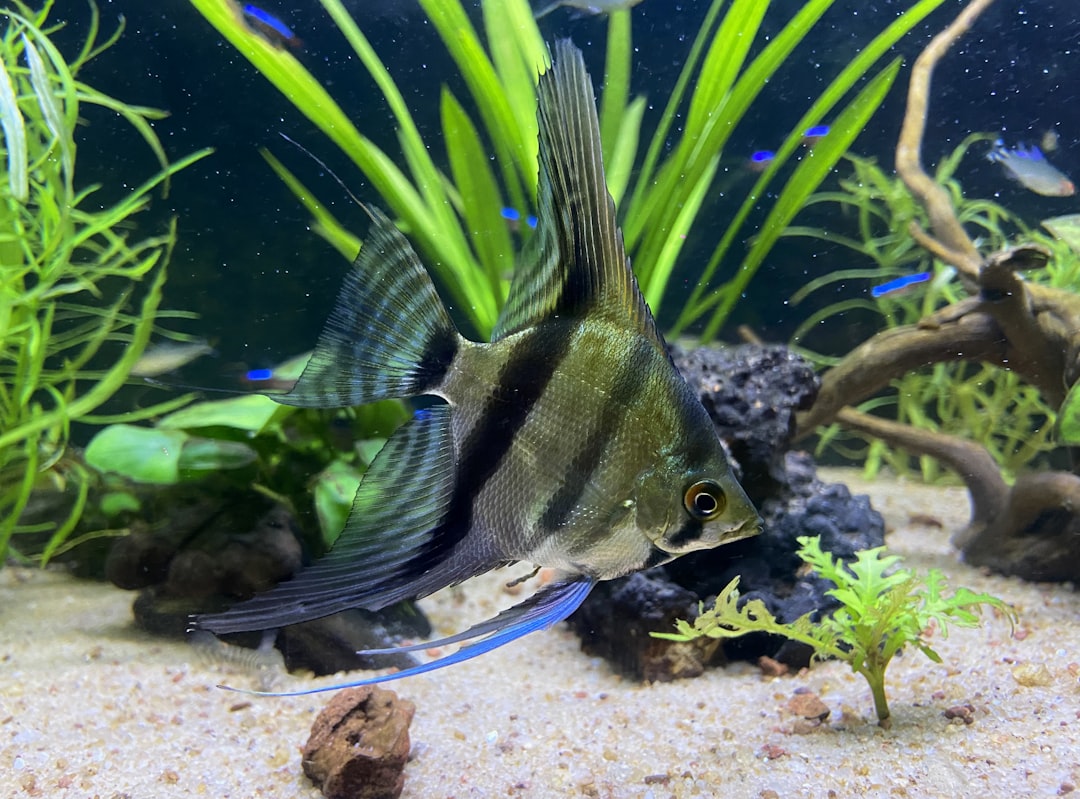
The image above shows a bacterial infection that appeared as a white sore on a fish’s head, which then ulcerated. No amount of water changes would cure this. The fish needed antibiotics targeted at the specific bacteria causing the infection.
This is the key lesson: identify what you are dealing with before choosing a treatment approach.
Decision Framework: Water Changes or Medication?
Ask yourself these questions:
- What are the symptoms? White spots, fuzzy growths, swollen body, or visible sores usually need medication.
- Is water quality poor? Test for ammonia, nitrite, and nitrate. If levels are high, fix water quality first.
- Is the fish eating? Fish that stop eating often have internal issues requiring medication.
- Is it getting worse? If symptoms progress despite water changes, you need medication.
If you are unsure, set up a hospital tank. This lets you treat the sick fish without affecting your main tank’s biological filter.
Common Mistakes to Avoid
- Waiting too long: Diseases like columnaris can kill within days. Early treatment matters.
- Assuming clean water cures everything: It supports health but does not kill pathogens.
- Ignoring water quality during treatment: Medication works best when the fish is not also fighting ammonia stress.
- Not removing activated carbon: Carbon removes medication from the water before it can work.
Summary
Daily water changes are a powerful tool for fish health, but they are not a cure-all. Use them to maintain excellent water quality and support recovery. When you see clear signs of infection—white spots, sores, fungus, or internal symptoms—reach for the appropriate medication. The best approach combines clean water with targeted treatment when needed.
Comments