How to Choose the Right Fish Medication Without Making It Worse
When your fish is sick, the instinct is to reach for medication immediately. But choosing the wrong treatment can make things worse. The medication might stress already-damaged organs, fail to cure the disease, harm your biological filter, or even accelerate death. Before you dose anything, pause and identify what you are actually treating.
Why Wrong Medication Is Dangerous
Different diseases require different treatments. Antibiotics kill bacteria, not parasites. Antifungals do nothing against bacterial infections. Some medications stress specific organs—for example, tetracycline can further damage kidneys in fish already suffering from dropsy-related kidney failure.
Using the wrong treatment wastes valuable time. While you dose an ineffective medication, the real disease continues progressing. In fast-moving infections like columnaris, lost days often mean lost fish.
Real Example: Tetracycline and Dropsy
Dropsy is a condition where fluid builds up inside the fish’s body, causing scales to stick out like a pinecone. It often indicates kidney failure, sometimes caused by a bacterial infection.
Here is the mistake: using tetracycline to treat dropsy. Tetracycline stresses the kidneys. In a fish whose kidneys are already failing, this additional stress can accelerate organ damage and death.
The better approach: identify whether dropsy stems from bacterial infection or organ failure. If bacterial, choose a kidney-safe antibiotic. If organ failure, focus on supportive care in pristine water rather than stressing the fish with medication.
Real Example: Praziquantel vs Metronidazole
Internal parasites and hexamita (a protozoan infection) can cause similar symptoms: weight loss, poor appetite, sometimes hole-in-the-head lesions in cichlids.
Praziquantel treats many internal parasites effectively. But it does nothing against hexamita. If you diagnose internal parasites when the fish actually has hexamita, praziquantel treatment fails while the disease progresses.
Metronidazole treats hexamita and many internal parasites. Correct identification matters because the treatments are different.

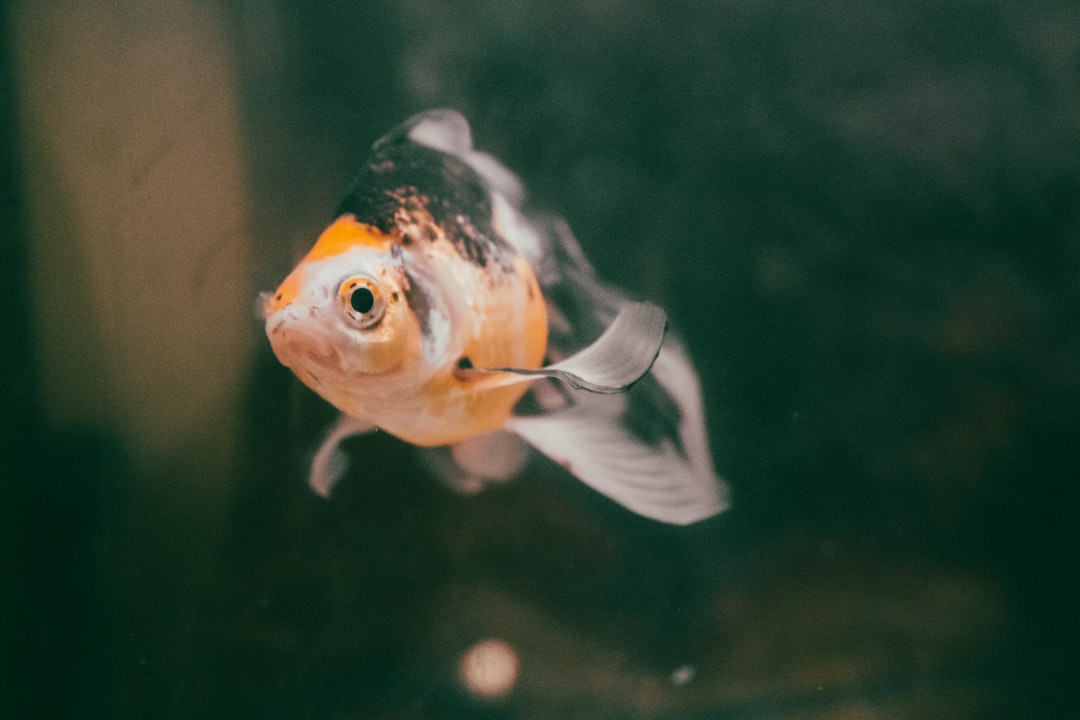
The fish shown above has a visible bacterial sore. Using an antifungal or antiparasitic medication would waste time and stress the fish without addressing the actual problem.
The Decision Process
Before medicating, answer these questions:
1. What type of disease is it?
- Bacterial: Wounds, fin rot, red streaks, ulcers, columnaris
- Fungal: White fuzzy growths, cotton-like patches
- Parasitic: Ich (white spots), flukes, anchor worms
- Viral: Lymphocystis (white cauliflower-like growths)
Match your medication to the disease type. Antibiotics for bacterial, antifungals for fungal, antiparasitics for parasites.
2. What is the fish’s condition?
Consider organ health. Fish with dropsy or suspected kidney issues need kidney-safe medications. Fish already weak from illness may not tolerate strong treatments.
3. Will the medication affect my biological filter?
Some antibiotics harm beneficial bacteria, causing ammonia spikes during treatment. Others, like ParaGuard, do not. If you must use a medication that affects the filter, test water frequently and be prepared for water changes.
4. Is a hospital tank appropriate?
Treating in a hospital tank protects your main tank’s biological filter and lets you control the environment precisely. For serious infections, this is usually the better choice.
Common Mistakes
- Rushing to treat without identifying the problem: Take time to research symptoms before dosing anything.
- Using multiple medications simultaneously: This stresses fish and makes it impossible to know what worked or failed.
- Ignoring water quality during treatment: Medication works best when fish are not also fighting ammonia or nitrite.
- Leaving activated carbon in the filter: Carbon removes medication before it can work.
- Using expired medication: Some become toxic after expiration.
- Stopping treatment too early: Complete the full treatment course even if fish seem better.
When to Wait and Monitor
Not every observed issue requires immediate medication. If symptoms are mild and stable, sometimes the best action is monitoring in pristine water. Fish immune systems can handle minor problems when water quality is excellent.
However, know when waiting is dangerous. Columnaris, ich, and severe bacterial infections need immediate treatment. If you are unsure, consult experienced fish keepers or research the specific symptoms before deciding.
Quick Reference: Disease Types and Treatments
| Disease Type | Example Conditions | Treatment Category |
|---|---|---|
| Bacterial | Fin rot, columnaris, ulcers | Antibiotics (KanaPlex, etc.) |
| Fungal | Cotton-like growths | Antifungals (Methylene Blue, etc.) |
| Parasitic | Ich, flukes, internal parasites | Antiparasitics (ParaGuard, Praziquantel, etc.) |
| Protozoan | Hexamita, hole-in-the-head | Metronidazole |
Summary
Choosing the right medication requires correct identification first. Pause before treating. Identify the disease type, consider your fish’s organ health, and match the treatment to the specific pathogen. Remove activated carbon, consider a hospital tank, and complete the full treatment course. Wrong medication wastes time, stresses fish, and can make curable conditions fatal.
Comments