How to Identify and Treat Internal Parasites in Freshwater Fish (Worms, Nematodes)
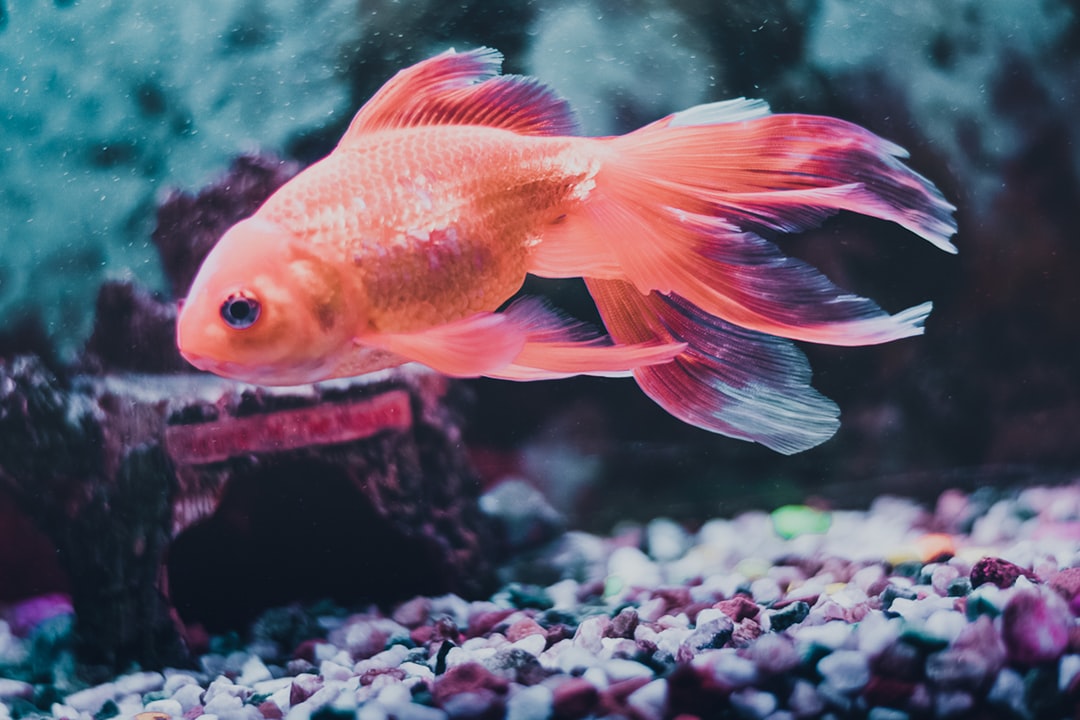
If your fish is eating normally but still losing weight, or you notice worms protruding from the vent, internal parasites may be the problem. Internal parasites like nematodes (roundworms) and tapeworms are common in freshwater fish, especially those fed live foods or wild-caught specimens. The good news: they are treatable with the right deworming medication.
What Are Internal Parasites?
Internal parasites live inside the fish’s body, typically in the digestive tract. The most common types in aquarium fish are:
- Camallanus worms: Red or brown nematodes visible at the vent
- Capillaria: Thin nematodes that cause weight loss and intestinal damage
- Tapeworms: Flat, segmented worms that absorb nutrients from the fish’s gut
Unlike external parasites that attach to skin or gills, internal parasites hide inside the fish, making them harder to detect until symptoms become severe.
How to Identify Internal Parasite Symptoms
Physical Symptoms
- Weight loss despite eating: The fish consumes food but cannot absorb nutrients
- Sunken belly: The abdomen looks hollow or concave
- Stringy or bloody feces: Abnormal waste may indicate intestinal damage
- Worms visible at the vent: Camallanus worms appear as red threads protruding from the anus
- Pale gills: Anemia from chronic parasitic infection
Behavioral Symptoms
- Reduced activity: Fish seems lethargic
- Poor appetite: Some fish stop eating as the infection progresses
- Isolation: Sick fish often separate from the group
Key Difference: Internal vs External Parasites
External parasites cause fish to flash (rub against objects), have visible spots or growths on the skin, or show rapid breathing from gill irritation. Internal parasites primarily cause weight loss, sunken bellies, and worms visible at the vent—symptoms that develop gradually over weeks.
Identifying the Specific Parasite
Camallanus Worms
These red or brown nematodes are the easiest to identify. Look for:
- Thin red threads (1-2 cm) protruding from the vent
- May retract when the fish is stressed
- Most visible when fish is resting
Camallanus is a nematode that requires a treatment targeting roundworms.
Capillaria
These thin nematodes are harder to see directly. Suspect Capillaria if you see:
- Chronic weight loss without other obvious causes
- Stringy, pale feces
- Fish that has been fed live foods or is wild-caught
Capillaria eggs may sometimes be visible in feces under magnification, but most aquarists diagnose based on symptoms and risk factors.
Tapeworms
Tapeworms are flat, segmented worms. Signs include:
- Segments visible in feces (look like small rice grains)
- Weight loss despite good appetite
- Sometimes visible as flat worms when a fish is dissected (post-mortem)
Choosing the Right Treatment
Different internal parasites require different medications. Using the wrong treatment wastes time and may not cure the infection.
For Nematodes (Camallarus, Capillaria)
Sera med Professional Nematol specifically targets nematodes. It contains levamisole, an effective deworming agent for roundworms.
Dose according to package instructions and repeat as directed. A single treatment often kills adult worms, but a follow-up dose may be needed to eliminate any parasites that hatch from eggs after the first treatment.
For Tapeworms and Flukes
Sera med Professional Tremazol treats tapeworms plus skin and gill flukes. If you suspect both tapeworms and external flukes, this product addresses both.
When You Cannot Identify the Parasite
If you see internal parasite symptoms but cannot identify the specific type, consider:
- Treating for nematodes first: Nematodes are more common than tapeworms in most aquarium settings
- Consulting a veterinarian: For valuable fish or persistent cases, a vet can perform fecal analysis to identify the exact parasite
Step-by-Step Treatment Protocol
Step 1: Isolate Affected Fish (Optional but Recommended)
If possible, move affected fish to a quarantine tank. This prevents parasite eggs from contaminating the main display tank and makes medication dosing easier and cheaper.
If multiple fish show symptoms in the main tank, treat the entire tank. Internal parasites can spread through feces.
Step 2: Clean the Tank Before Treatment
- Perform a thorough gravel vacuum to remove any parasite eggs in the substrate
- Do a 25-30% water change
- Remove activated carbon from filters—it will absorb medication
Step 3: Dose the Medication
Follow the product instructions exactly. For Sera med Professional Nematol:
- Add the prescribed amount to the tank
- Leave the medication in the water for the recommended duration
- Do not feed during the treatment period if instructed
Step 4: Post-Treatment Water Change
After the treatment period, perform a partial water change and add fresh activated carbon to remove residual medication.
Step 5: Repeat Treatment
Most internal parasite treatments require a second dose 1-2 weeks later to kill parasites that hatched from eggs. Follow the product’s recommended schedule.
Step 6: Monitor Recovery
Watch for improvement over 2-4 weeks. Fish should regain weight and show normal activity. If symptoms persist after two treatment rounds, reassess the diagnosis.
Preventing Internal Parasites
Quarantine New Fish
The most effective prevention is a 2-4 week quarantine period for all new fish. During quarantine:
- Observe for signs of illness
- Consider prophylactic deworming if fish are wild-caught or from unknown sources
- Test feed to ensure fish eat well before adding to the main tank
Be Cautious with Live Foods
Live foods, especially from outdoor ponds or unregulated sources, can transmit parasites:
- Tubifex worms and bloodworms are common parasite vectors
- Culture your own live foods or buy from reputable suppliers
- Consider switching to frozen or freeze-dried foods
Avoid Feeding Wild-Caught Prey
Never feed wild-caught insects, fish, or crustaceans to your aquarium fish. These can carry parasites not normally present in the aquarium trade.
Maintain Good Hygiene
- Siphon the substrate regularly to remove feces
- Do not overfeed—uneaten food fouls the water and stresses fish
- Keep water quality high to reduce overall stress
Common Mistakes
Using the Wrong Medication
Some fish keepers try general antibiotics or external parasite treatments for internal worms. These do not work. Use a dewormer specifically formulated for the type of parasite you are treating.
Not Completing the Treatment
A single dose may kill adult worms but leave eggs unharmed. Without a follow-up treatment, the infection returns.
Ignoring Prevention
Treating one fish while continuing to add unquarantined fish guarantees future outbreaks. Prevention through quarantine saves time, money, and fish lives.
Summary
Internal parasites cause weight loss, sunken bellies, and sometimes visible worms at the vent. Treat them with targeted deworming medications:
- Camallanus and Capillaria nematodes: Use Sera med Professional Nematol
- Tapeworms and flukes: Use Sera med Professional Tremazol
Follow the complete treatment protocol:
- Identify the parasite type based on symptoms
- Choose the correct medication
- Clean the tank and remove carbon
- Dose according to instructions
- Repeat treatment after 1-2 weeks
- Monitor for improvement over 2-4 weeks
Prevent future outbreaks by quarantining new fish, avoiding questionable live foods, and maintaining good tank hygiene.
Comments