How to Treat Ich (White Spot Disease) in Freshwater Fish: A Complete Guide
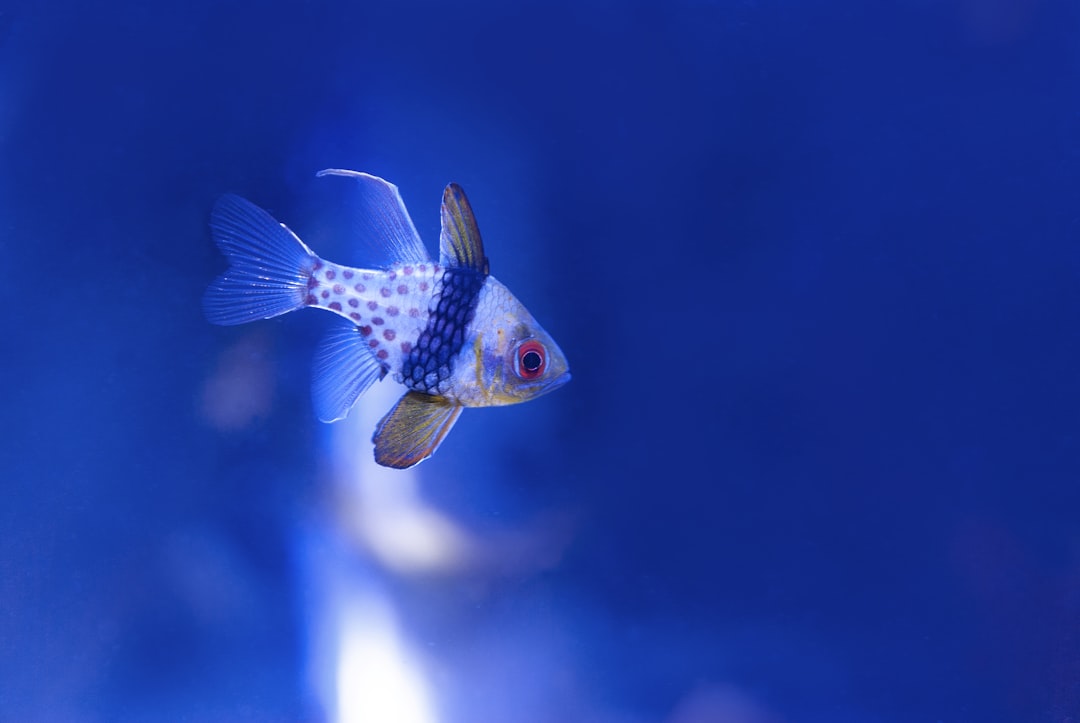
If you see small white spots on your fish that look like grains of salt, your fish probably has ich (Ichthyophthirius multifiliis), also called white spot disease. This is one of the most common parasitic infections in freshwater aquariums, but it is treatable if you act quickly and follow through with the full treatment course.
What Is Ich?
Ich is caused by a protozoan parasite that burrows into the skin and gills of fish. The white spots you see are actually the parasite’s protective cyst. Each spot contains one feeding parasite. Left untreated, ich can kill fish by damaging their gills and causing secondary infections.
How to Identify Ich Symptoms
Look for these signs:
- White spots: Small, uniform white dots that look like salt sprinkled on the body, fins, or gills
- Flashing: Fish rubbing against objects in the tank to scratch the irritation
- Clamped fins: Fins held close to the body
- Rapid breathing: Gills moving faster than normal, especially if parasites attack the gills
- Lethargy: Fish spending more time at the bottom or hiding
Ich spots are typically uniform in size, unlike other conditions that cause irregular white patches or fluffy growths.
Why Ich Treatment Takes Time
The ich parasite has a complex life cycle with three stages:
- Trophont: The feeding stage embedded in the fish’s skin (visible as white spots)
- Tomont: The parasite falls off the fish and forms a cyst in the substrate
- Theront: Free-swimming stage that searches for a new host
Crucial point: Medications only kill the free-swimming theront stage. The parasites protected inside the fish or inside the cyst are shielded from treatment. This is why you must continue treatment for 10-14 days minimum—the parasites must exit their protected stages to be killed.
Step-by-Step Ich Treatment Protocol
Step 1: Confirm the Diagnosis
Make sure it is actually ich. Other conditions can cause white spots or patches:
- Epistylis: White, fuzzy patches that look like tufts
- Fungal infection: Cotton-like growths
- Lymphocystis: White, irregular, wart-like growths (viral, not parasitic)
If the spots are uniform and look like tiny grains of salt, ich is the likely culprit.
Step 2: Raise the Temperature Gradually
Increase your aquarium temperature to 82-86°F (28-30°C) over 24 hours. This accelerates the parasite life cycle, forcing parasites into the vulnerable free-swimming stage faster.
Warning: Do not raise the temperature faster than 2°F per hour. Rapid temperature changes stress fish. If your fish are already severely stressed, skip the temperature increase and focus on medication.
Step 3: Add Ich Medication
Choose a proven ich treatment:
Sera costapur treats ich and other external parasites. It is suitable for most community aquariums.
Sera med Professional Protazol is a veterinary medicine for more severe cases or when other treatments fail.
Sera Phyto med Protazid offers a herbal-based alternative for mild cases or keepers who prefer plant-based treatments.
Follow the dosage instructions on the package exactly. Do not overdose.
Step 4: Continue Treatment for the Full Course
Treat for at least 10-14 days, even if spots disappear earlier. The parasites may still be in the protected tomont stage. Stopping treatment too early is the most common reason ich returns.
Step 5: Perform Water Changes
Do partial water changes between medication doses as directed on the product label. This removes dead parasites and keeps water quality high. Use a gravel vacuum to suck up tomont cysts from the substrate.
Step 6: Monitor and Watch for Secondary Infections
Watch your fish for signs of bacterial infections (red streaks, ulcers, fin rot) during treatment. Damaged skin from ich parasites creates entry points for bacteria. If you see secondary infection signs, you may need to add an antibacterial treatment.
Common Mistakes That Cause Treatment Failure
Stopping Treatment Too Early
Many beginners stop treatment when white spots disappear. The parasites are still present in the tank, protected inside cysts. Continue treatment for at least 3 days after the last visible spot disappears.
Not Treating Long Enough
The minimum treatment course is 10-14 days. Some cases require longer. If your fish still shows symptoms after 14 days, continue treatment.
Ignoring Water Quality
Ich damages fish skin and gills. Poor water quality adds stress and slows healing. Test ammonia, nitrite, and nitrate during treatment. Keep ammonia and nitrite at zero.
Treating with Salt Alone
Aquarium salt can help with ich, but it is less reliable than dedicated medications. Salt works best as a supportive treatment alongside medication, not as the only treatment.
Not Vacuuming the Substrate
Tomont cysts settle in the gravel. Use a gravel vacuum during water changes to remove them. Without this step, parasites can reinfect your fish.
Preventing Future Ich Outbreaks
Quarantine New Fish
Keep new fish in a separate quarantine tank for 2-4 weeks before adding them to your main display. This lets you observe for ich and other diseases before they spread.
Avoid Temperature Fluctuations
Sudden temperature drops stress fish and can trigger ich outbreaks. Use a reliable heater and check it regularly.
Maintain Water Quality
Stress from poor water conditions makes fish more susceptible to ich. Test water weekly and perform regular water changes.
Do Not Overcrowd
Overcrowded tanks create stress and poor water quality. Both increase disease risk.
Quarantine New Plants and Decorations
Ich can hitchhike on plants, snails, and decorations from infected tanks. Quarantine or disinfect new additions before adding them to your aquarium.
Summary
Ich is treatable with the right approach:
- Confirm the diagnosis—look for uniform salt-like white spots
- Raise temperature to 82-86°F to accelerate the parasite life cycle
- Use a dedicated ich medication like sera costapur or sera med Professional Protazol
- Treat for at least 10-14 days—never stop early
- Vacuum the substrate to remove tomont cysts
- Maintain excellent water quality throughout treatment
The key to successful ich treatment is patience. The parasite has protected stages that medication cannot reach. Completing the full treatment course ensures all parasites are eliminated before they can re-infect your fish.
Comments