How Much Should I Feed My Aquarium Fish? The 2-Minute Rule Explained
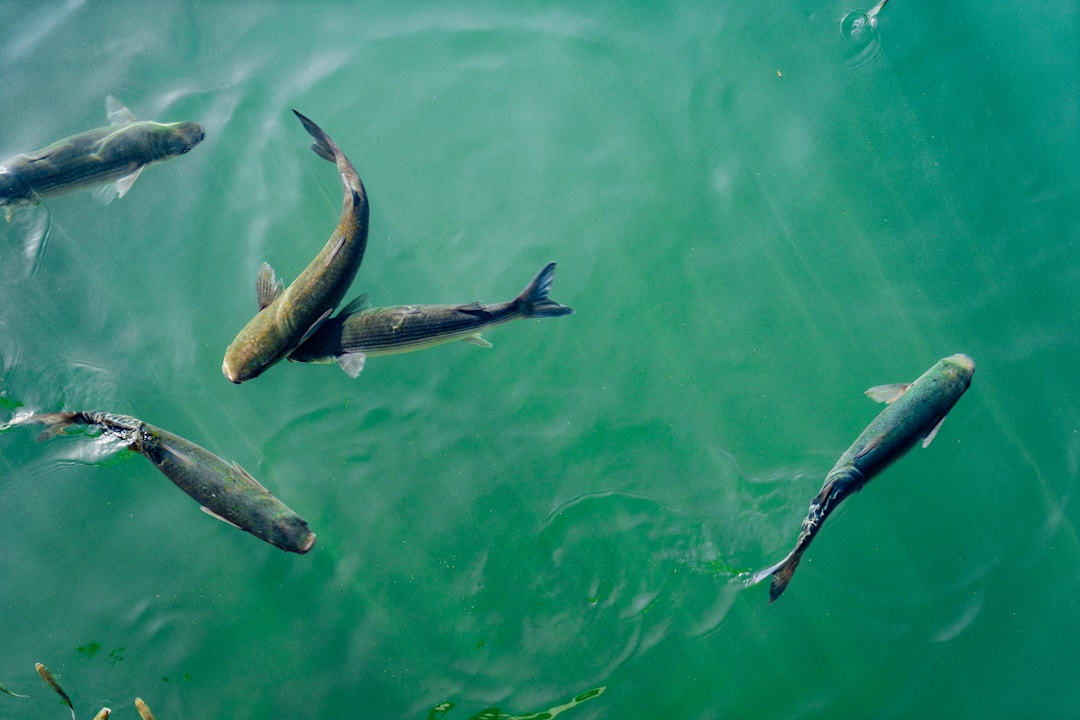
The correct amount of food is what your fish can consume in 2 to 3 minutes. Start with a small pinch, watch them eat, and add more only if everything disappears in under 2 minutes. Remove any uneaten food after 5 minutes.
This simple rule prevents the most common aquarium problem: water pollution from rotting food.
Why Portion Control Matters
Uneaten food does not just disappear. It sinks, decays, and releases ammonia into your water. This starts a chain reaction:
- Ammonia spikes stress or kill fish
- Cloudy water from bacterial blooms feeding on the waste
- Nitrite buildup as bacteria process the ammonia
- High nitrates that fuel algae growth
New aquariums are especially vulnerable because their biological filtration is not fully established. In a cycled tank, beneficial bacteria convert ammonia to nitrite, then nitrite to nitrate. Excess food overwhelms this process.
Fish in captivity will often eat whenever food is offered. They do not know when their next meal will come, so they accept food even when full. You cannot rely on fish to refuse food when they have had enough.
The Step-by-Step Feeding Method
Follow this routine every time you feed:
- Start small — sprinkle a small pinch of food across the surface
- Watch the clock — time how long it takes for the food to disappear
- Observe behavior — are all fish eating? Is food sinking uneaten?
- Add more only if needed — if all food is gone in under 2 minutes, offer a tiny bit more
- Remove leftovers — after 5 minutes, siphon out any uneaten food
Most beginners overestimate how much food a fish needs. A fish’s stomach is roughly the size of its eye. That is a useful visual reminder when deciding how much to drop in.
Adjusting for Different Fish Types
Not all fish eat the same way:
- Surface feeders (betta, guppies, hatchetfish) — floating flakes or pellets
- Mid-water swimmers (tetras, barbs, danios) — slow-sinking flakes or micro pellets
- Bottom dwellers (corydoras, plecos, loaches) — sinking wafers or tablets
- Herbivores (plecos, some cichlids) — need more plant-based food, often fed in larger quantities
- Carnivores (betta, many cichlids) — protein-rich foods, often smaller portions
Herbivores graze continuously in nature. They benefit from multiple small feedings or vegetables like blanched zucchini left in the tank for a few hours. Carnivores eat larger meals less frequently in the wild.
If you keep a community tank with fish at different levels, feed a mix of floating and sinking foods. Drop the sinking food first so bottom dwellers get their share before the surface food attracts everyone to the top.
Signs You Are Overfeeding
Watch for these warning signs:
- Uneaten food on the substrate after 5 minutes
- Cloudy or milky water
- Foul or fishy smell from the tank
- Foam or film on the water surface
- Rapid algae growth on glass and decorations
- Ammonia or nitrite readings above zero in an established tank
If you see any of these, cut your feeding amount by half and siphon the substrate during your next water change.
How to Remove Uneaten Food
If you accidentally overfeed, act quickly:
- Turn off filters temporarily so food does not get sucked in
- Use a gravel vacuum to siphon food from the bottom
- Fine mesh nets can catch floating particles
- Check the filter media — rinse it in tank water if clogged with food
Do not leave uneaten food overnight. It decays faster than most people realize.
Common Feeding Mistakes
Avoid these beginner errors:
- Feeding too often — twice daily is plenty for most adult fish
- Assuming fish are still hungry — begging behavior is a learned response, not a sign of hunger
- Using the “shake and dump” method — dumping straight from the container guarantees overfeeding
- Ignoring sinking food — what falls to the bottom still counts as waste if uneaten
- Vacation overfeeding — do not dump extra food before leaving; use an automatic feeder or skip feeding
Fish can survive a week without food in a healthy tank. They cannot survive a week of ammonia from uneaten food.
Quick Reference
| Fish Type | Food Type | Feeding Frequency | Portion Size |
|---|---|---|---|
| Small tropicals (tetras, guppies) | Flakes, micro pellets | 1-2x daily | Eat in 2 minutes |
| Large tropicals (cichlids, goldfish) | Pellets, sticks | 1-2x daily | Eat in 2-3 minutes |
| Bottom feeders (corys, plecos) | Sinking wafers | 1x daily, evening | Gone in 2-3 minutes |
| Herbivores | Algae wafers, veggies | Multiple small feedings | Graze throughout day |
Summary
The 2-3 minute rule is simple but effective. Feed less than you think, watch your fish eat, and remove leftovers promptly. Your water quality will stay stable, your fish will stay healthy, and your maintenance workload will drop significantly.
Most tank problems trace back to overfeeding. Master portion control, and you prevent the majority of beginner aquarium issues before they start.
Comments