How Often Should I Feed My Fish? A Feeding Schedule Guide
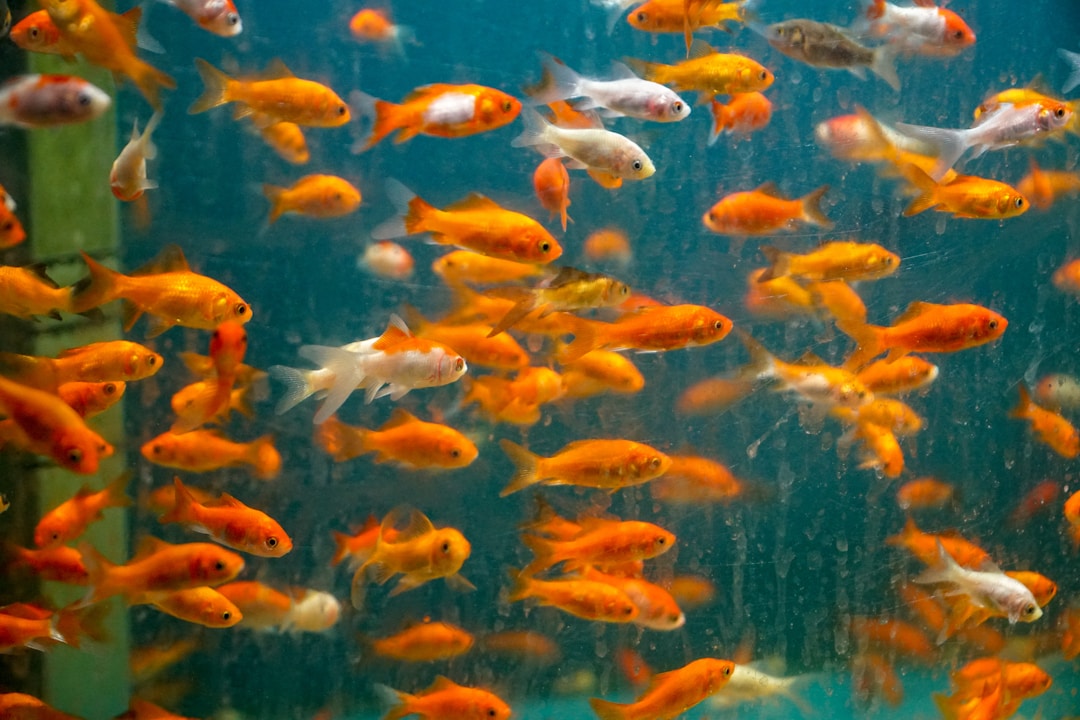
Feed your fish once or twice per day. Morning and evening feedings work best for most community tanks. Some keepers fast their fish one or two days per week to support digestive health.
The exact schedule depends on your fish species, water temperature, and tank setup. But for most beginners with tropical community fish, twice daily is a solid starting point.
Why Feeding Frequency Matters
Fish metabolism is tied to water temperature. In warmer water (above 78°F or 25°C), fish digest food faster and need more frequent meals. In cooler water, their metabolism slows and they eat less.
In nature, fish do not eat on a schedule:
- Predators like large cichlids might eat a big meal, then go days without food
- Herbivores graze continuously on algae and plant matter
- Omnivores eat small amounts throughout the day when food is available
Aquarium fish accept food whenever offered because instinct tells them to eat when they can. They do not know that you will feed them again tomorrow. This is why fish often beg at the glass even when they are not hungry.
A consistent schedule helps you monitor health. If fish stop eating at their usual time, something may be wrong.
Morning and Evening Feeding
Two feedings per day, roughly 12 hours apart, works well for most tanks:
- Morning feeding — after the lights have been on for 30-60 minutes
- Evening feeding — before the lights go off, with 30-60 minutes of light remaining
Fish in the wild feed most actively at dawn and dusk. Low light conditions make them feel secure while foraging. Mimicking this pattern can encourage natural behavior.
If you can only feed once per day, pick a consistent time. Morning is usually better than evening because fish have all day to digest before the temperature drops overnight.
Special Cases: Different Feeding Needs
Herbivores (plecos, some cichlids, goldfish)
Herbivores need more food, more often. Their digestive systems are designed for continuous grazing:
- Feed small amounts 2-3 times daily
- Offer vegetables like blanched zucchini, cucumber, or spinach
- Algae wafers can be left in the tank for several hours
Carnivores (betta, many cichlids, predator fish)
Carnivores process protein-rich meals more slowly:
- Once or twice daily is usually sufficient
- Some large predators can be fed every other day
- Avoid live feeder fish unless you breed them yourself; they carry disease risk
Nocturnal Species (plecos, knifefish, some catfish)
These fish are most active after dark:
- Feed them just before turning off the tank lights
- Use sinking wafers or pellets that reach the bottom quickly
- Target feed by dropping food near their hiding spots
Fry and Juveniles
Baby fish grow rapidly and need frequent meals:
- Feed 3-4 times daily in tiny amounts
- Use specialized fry food or crushed flakes
- Uneaten food fouls water faster, so maintain strict cleaning
Large Predatory Fish
Oscar fish, arowana, and similar large predators:
- Can be fed once daily or every other day
- Fast them one day per week to prevent constipation
- Match food size to fish size to prevent choking
Fasting Days: Optional but Beneficial
Some aquarists fast their fish one or two days per week. The reasoning:
- Allows the digestive tract to clear completely
- May reduce the risk of constipation and swim bladder issues
- Mimics natural feeding patterns where food is not always available
Fasting is not required for healthy fish, but it does no harm in established tanks with healthy adults. Do not fast fry, juveniles, or fish recovering from illness.
If you choose to fast, pick a consistent day each week. Sunday is common because you are home to observe the fish.
Water Temperature and Metabolic Rate
Colder water slows fish metabolism:
- Goldfish and temperate species in unheated tanks eat less in winter
- Tropical fish kept at the lower end of their range (72-75°F) digest slowly
- Fish in warmer tanks (80-82°F) need more food and process it faster
Adjust feeding frequency if your tank runs warmer or cooler than average. A betta in a 78°F tank needs less food than a betta in an 82°F breeding setup.
Lighting Schedule Coordination
Feed fish when they can see the food and feel secure:
- Wait 30 minutes after lights on before morning feeding
- Feed 30-60 minutes before lights off for evening feeding
- Nocturnal fish should be fed at “lights out”
This gives fish time to wake up or settle down naturally. Feeding in complete darkness makes it harder for fish to find food before it sinks and rots.
Automatic Feeders for Vacation Care
Automatic feeders can maintain a schedule when you are away:
- Set them to dispense small portions once or twice daily
- Test the feeder for several days before your trip
- Most feeders work best with pellets; flakes can clump or jam
Do not dump a large amount of food into the tank before leaving. This causes ammonia spikes. A healthy adult fish can go a week without food safely. Automatic feeders are insurance, not a requirement for short trips.
Common Scheduling Mistakes
Avoid these errors:
- Feeding three or more times daily — unnecessary for adult fish and pollutes water
- Skipping days randomly — inconsistency makes it hard to track appetite changes
- Feeding right after lights on or off — fish need time to adjust to light changes
- Overfeeding before vacations — causes more harm than missing a few meals
- Not adjusting for temperature — cold water fish need less food in winter
Quick Reference Schedule
| Fish Type | Frequency | Best Timing | Notes |
|---|---|---|---|
| Community tropicals | 1-2x daily | Morning and evening | Standard schedule |
| Goldfish | 1-2x daily | Morning and early afternoon | Include veggies 2-3x weekly |
| Betta | 1-2x daily | Morning and evening | Fast one day per week optional |
| Herbivores (plecos) | 2-3x daily | Morning, evening, night | Leave veggies for grazing |
| Nocturnal catfish | 1x daily | Just before lights out | Target feed near hiding spots |
| Fry | 3-4x daily | Spread across daylight hours | Tiny amounts, strict cleanup |
Summary
Once or twice daily works for most fish. Feed at consistent times, coordinate with your lighting schedule, and adjust for species and temperature. Fasting days are optional but can support digestive health.
The most important rule: observe your fish. If they eat eagerly and leave no waste, your schedule is working. If food accumulates or fish show no interest, adjust the amount, not just the timing.
Comments