Essential Fish Medications Every Aquarium Owner Should Keep On Hand
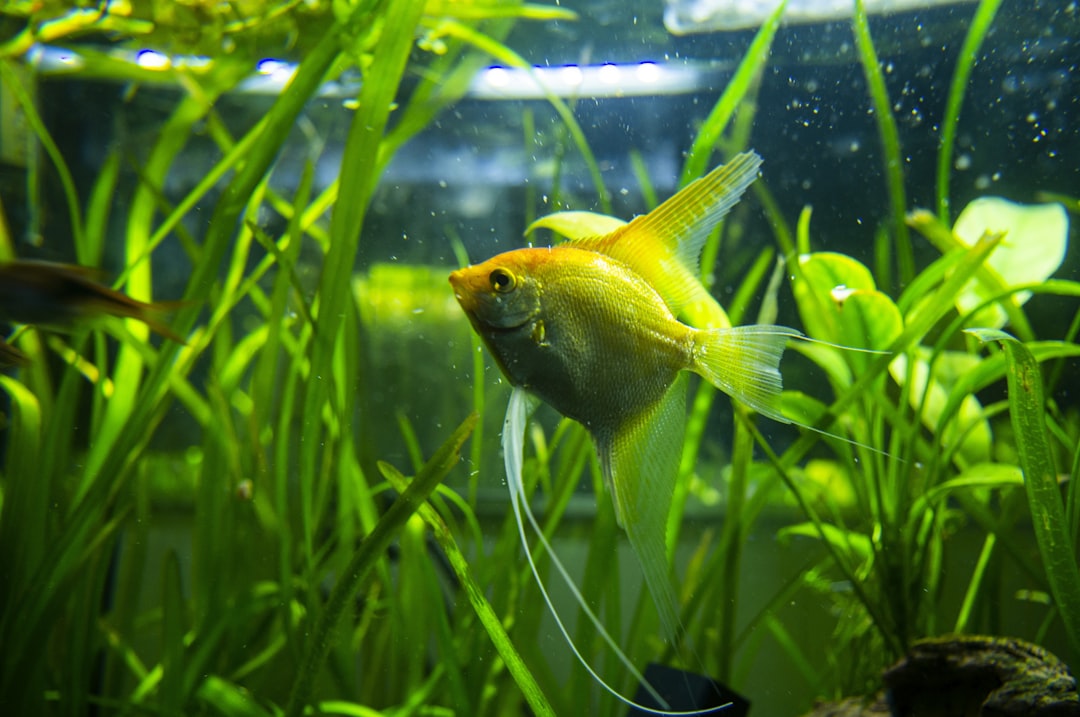
Fish diseases do not wait for convenient timing. They often appear overnight and progress rapidly. When your fish shows symptoms, waiting several days for medication to arrive by mail can mean the difference between saving and losing the fish. Having a basic medicine cabinet ready allows immediate response when problems appear.
The Core Medication List
These medications cover the most common aquarium diseases:
Broad-Spectrum Treatment
Seachem ParaGuard — This is your first line of defense. It treats fungal, bacterial, viral, and parasitic issues. Unlike many medications, it does not harm your biological filter. Use it in quarantine tanks for new arrivals or when you are unsure what disease you are dealing with.
Bacterial Infections
Seachem KanaPlex — A kanamycin-based antibiotic effective against many bacterial infections. You can dose it directly into the water or mix it with food for internal infections. Good for wounds, fin rot, and internal bacterial issues.
Note on Tetracycline: Avoid using tetracycline for fish with dropsy. It can stress kidneys that are already failing.
Internal Parasites
Seachem Metronidazole — Treats internal parasites and hexamita (a protozoan infection). Hexamita causes weight loss and hole-in-the-head symptoms in cichlids. Praziquantel does not treat hexamita, so metronidazole is essential.
Praziquantel (e.g., PraziPro) — Treats many internal parasites and external flukes. Safe and effective, but remember it does not work on hexamita.
Fungal Issues
Methylene Blue — An old-school treatment that still works. Use it for fungal infections, egg protection, and as a bath treatment for various conditions. Inexpensive and versatile.
Supportive Care
Aquarium Salt — Mild treatment for stress, mild infections, and parasite control. Not a cure-all, but helpful in many situations.
Seachem Focus — Binds medication to food, making it easier to dose internal treatments.
Seachem GarlicGuard — Stimulates appetite and makes medicated food more palatable.
Boyd VitaChem — Vitamins to support recovery during and after illness.
Kordon Fish Protector — Calms fish and can improve medication absorption.
Why Preparation Matters

The fish shown above developed a white sore that ulcerated within days. Without antibiotics on hand, the owner would lose valuable time waiting for shipment. Diseases like columnaris can kill in 24 to 48 hours. Dropsy, ich, and severe bacterial infections are all time-sensitive.
Simple Hospital Tank Setup
You do not need an expensive setup. A simple hospital tank can be:
- A 5 to 10 gallon plastic storage container
- A sponge filter (runs on an air pump)
- A heater appropriate for the tank size
- A bare bottom for easy cleaning
This setup costs under $50 and allows you to treat fish without medicating your main display tank. Hospital tanks also make it easier to monitor the sick fish closely.
Storage and Expiration
Check expiration dates regularly. Some fish medications become toxic after they expire. Store medications in a cool, dark place. Keep a list of what you have and when it expires.
Medications typically last 2 to 3 years when stored properly. Replace anything past its date.
What About “Natural” Treatments?
Some fish keepers prefer natural approaches. Salt and clean water can help with mild issues. However, serious infections require real medication. There is no herbal cure for ich or columnaris. Natural treatments have their place, but they are not substitutes for proven medications when disease strikes.
Quick Reference
| Condition | Medication |
|---|---|
| Unknown/quarantine | ParaGuard |
| Bacterial infection | KanaPlex |
| Internal parasites | Metronidazole or Praziquantel |
| Hexamita | Metronidazole |
| Fungal infection | Methylene Blue |
| Mild stress/infection | Aquarium Salt |
Summary
Build your fish medicine cabinet before you need it. ParaGuard, Metronidazole, KanaPlex, Methylene Blue, and aquarium salt cover most situations. Add a simple hospital tank setup, and you are prepared for the most common fish diseases. When symptoms appear, you can act immediately instead of waiting for shipping.
Comments