How to Treat White Spot Disease (Ich) in Aquarium Fish
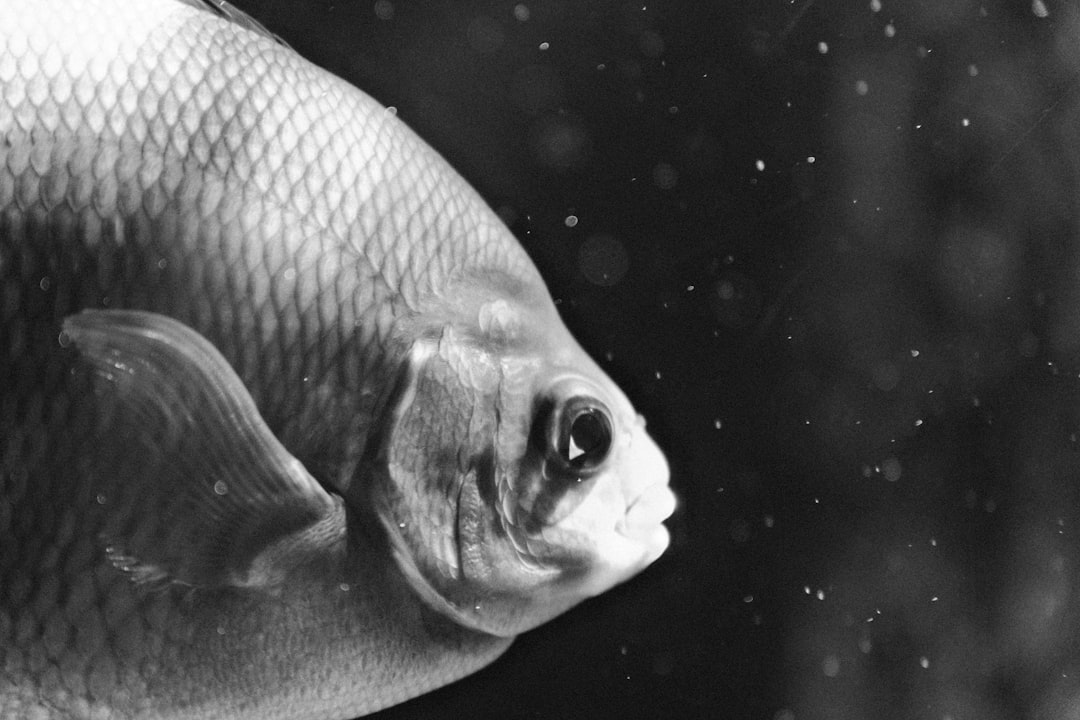
White spot disease, commonly called Ich, is one of the most common and frustrating diseases aquarium fish keepers encounter. Those tiny white dots on your fish are actually parasites burrowing into their skin, and without quick treatment, they can kill your entire tank.
What is White Spot Disease?
White spot disease is caused by a ciliate parasite called Ichthyophthirius multifiliis. This single-celled organism attacks freshwater fish by burrowing into their skin and fins, feeding on tissue fluids and cells.
The white spots you see are not the parasite itself - they are the fish’s tissue reaction to the parasite embedded underneath. Each spot represents one parasite feeding and growing.
How to Identify Ich Symptoms
Look for these signs:
- White spots: Clearly visible dots (0.4 to 1.5 mm) on skin, fins, and sometimes eyes
- Clamped fins: Fish hold their fins tight against their body
- Flashing: Fish scratch against rocks, decorations, or gravel
- Loss of appetite: Affected fish stop eating
- Rapid breathing: Fish gasp at the surface or breathe heavily
The spots are larger than other parasitic infections. Ich spots are clearly visible without magnification, unlike the tiny specks caused by velvet disease or other parasites.
Why Ich Spreads So Quickly
Understanding the parasite life cycle explains why Ich is so dangerous and why treatment must continue longer than you might expect.
The Ich parasite goes through three stages:
-
Trophont stage: The parasite burrows into the fish’s skin and feeds. This is when you see white spots. The parasite is protected inside the fish tissue during this phase - medication cannot reach it here.
-
Tomont stage: After feeding for several days, the parasite drops off the fish and falls to the bottom of the tank. It encysts and begins dividing, producing hundreds of new parasites inside a protective capsule.
-
Theront stage: The capsule ruptures, releasing free-swimming parasites that hunt for new fish to attack. This is the only stage when medication can kill them.
This life cycle explains why a single treatment dose is never enough. You must keep treating until every parasite has passed through the vulnerable free-swimming stage.
Treatment Steps with Sera Costapur
The Sera treatment guide recommends sera costapur specifically for Ich. Here is a practical treatment protocol:
Step 1: Isolate affected fish if possible
If you have a quarantine tank, move infected fish there. This protects healthy fish and concentrates treatment. However, Ich often spreads before you notice it, so treating the entire display tank is usually necessary.
Step 2: Raise temperature gradually
Increase tank temperature to 27-30°C (80-86°F). Higher temperatures speed up the parasite life cycle, forcing parasites through the vulnerable free-swimming stage faster. This makes treatment more effective.
Raise temperature slowly over 24-48 hours. A sudden jump stresses fish further.
Step 3: Add medication according to instructions
Follow the sera costapur dosage instructions on the package. Typically this involves adding the medication daily or every other day for a treatment period of 5-10 days.
Continue treatment even when spots disappear. Those embedded parasites are still developing and will drop off to release new infective stages.
Step 4: Maintain water quality
Parasite infections stress fish. Poor water quality adds more stress and weakens recovery. Test ammonia, nitrite, and nitrate daily during treatment. Keep ammonia and nitrite at zero.
Step 5: Complete the full treatment cycle
Do not stop treatment early. The standard recommendation is to continue for at least 3-5 days after all visible spots have disappeared. This ensures you have killed parasites that were still inside fish tissue when treatment started.
Temperature Adjustment Strategy
Temperature management is a key part of Ich treatment:
- Normal tank temperature: 24-26°C (75-79°F)
- Treatment temperature: 27-30°C (80-86°F)
- Maximum safe limit: 30°C for most tropical fish
At 27°C, the parasite life cycle completes in about 3-4 days. At 30°C, it may complete in just 2 days. Faster cycles mean free-swimming parasites appear more frequently, giving medication more chances to kill them.
However, some fish tolerate high temperatures poorly. Goldfish and some coldwater species should not be pushed above 28°C. Monitor your fish for signs of heat stress: rapid breathing, lethargy, or loss of color.
Prevention Tips for Future Outbreaks
Ich parasites are present in most aquariums at low levels. Healthy fish with strong immune systems resist infection. Stress triggers outbreaks.
Prevent future Ich problems by:
- Quarantine all new fish: Keep new arrivals in a separate tank for 2-4 weeks before adding them to your display tank. Ich often arrives on new fish.
- Avoid temperature shocks: Sudden temperature drops weaken fish immunity. Match new water temperature exactly when doing water changes.
- Maintain stable water parameters: Test regularly and keep ammonia and nitrite at zero. Stable pH and appropriate hardness matter too.
- Reduce handling stress: Catch fish gently. Avoid chasing them around the tank.
- Feed quality food: Good nutrition supports immune function.
Common Mistakes Beginners Make
These errors make Ich treatment fail:
Stopping treatment too early
The spots disappear while parasites are still inside fish tissue. If you stop medication then, new parasites will emerge and reinfect fish days later. Always complete the full treatment cycle.
Not raising temperature
Low temperatures slow the parasite life cycle. Treatment takes much longer, giving parasites more time to damage fish.
Ignoring water quality
Sick fish need clean water more than ever. High ammonia during treatment can kill fish that might otherwise survive the infection.
Treating only visibly infected fish
Ich spreads through water. Free-swimming parasites hunt all fish in the tank. Treating only fish with spots does nothing to protect the fish that will be attacked next.
When Ich Is Saltwater Cryptocaryon
The saltwater equivalent of Ich is caused by Cryptocaryon irritans. It looks similar: white spots on fish, flashing behavior, clamped fins. Treatment principles are the same, but saltwater medications differ.
If you keep marine fish and see similar symptoms, you are likely dealing with Cryptocaryon, not freshwater Ich. Check medication compatibility with saltwater and invertebrates before treating.
Summary Checklist
Follow this checklist for successful Ich treatment:
- Confirm white spot diagnosis (spots 0.4-1.5 mm, not tiny specks)
- Raise temperature to 27-30°C gradually
- Add sera costapur or appropriate Ich medication
- Test water quality daily (keep ammonia/nitrite at zero)
- Continue treatment 3-5 days after spots disappear
- Monitor all fish, not just obviously infected ones
- Reduce feeding during treatment (less waste)
- Quarantine new fish in future to prevent reintroduction
Ich is treatable when caught early and treated correctly. The key is understanding that those visible spots are just one stage of a complex parasite life cycle. Medication must persist until every parasite has passed through the vulnerable free-swimming stage.
Comments