How to Treat Ich (White Spot Disease) in Fish: A Step-by-Step Guide
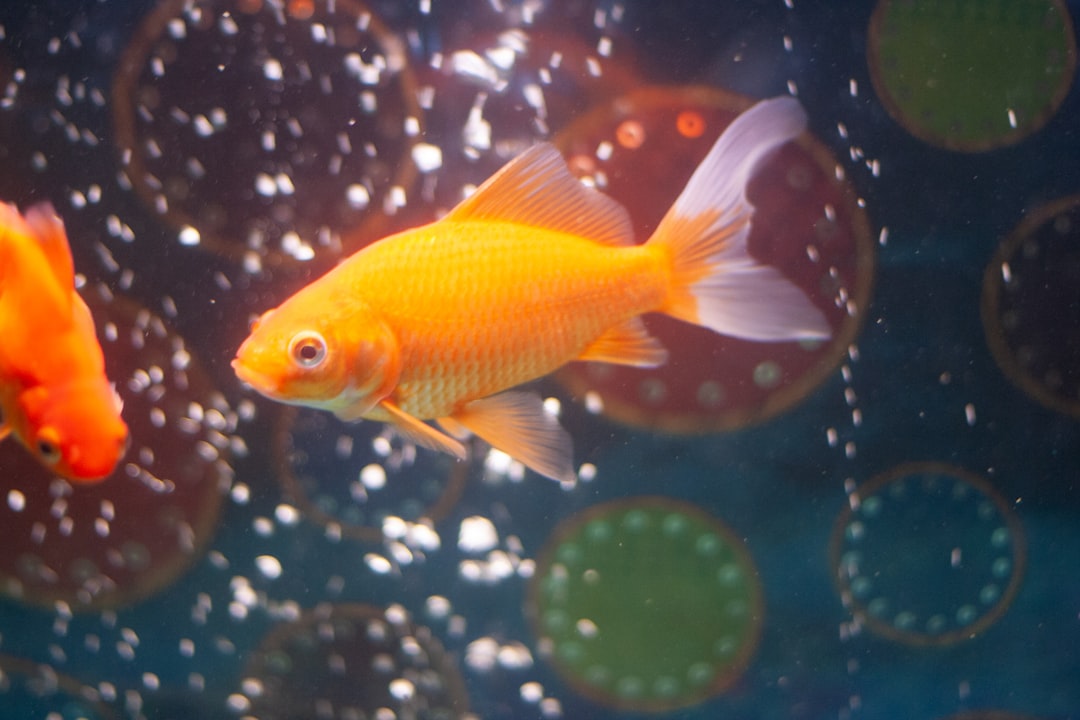
If you see white salt-like spots on your fish, you are likely dealing with Ich (white spot disease). This is one of the most common aquarium parasites, and it can kill your fish if left untreated. The good news is that Ich is treatable when you understand its life cycle and act at the right time.
What Is Ich and How to Identify It
Ich is caused by the parasite Ichthyophthirius multifiliis. The visible white spots on your fish are actually encysted parasites feeding on the fish’s skin and fins. Each spot looks like a tiny grain of salt or white sugar sprinkled over the fish’s body.
Besides the white spots, watch for these signs:
- Flashing: Fish rub or scrape against rocks, decorations, or the tank glass. This is an attempt to relieve the itching caused by the parasites.
- Clamped fins: Fish hold their fins tight against their body.
- Reduced activity: Fish may stay near the surface or hide more than usual.
- Labored breathing: In severe cases, parasites can attach to the gills, making it harder for fish to breathe.
Ich is sometimes called the “most famous of all fish tank diseases” because it is so widespread. New fish often bring it into established tanks, and stress from poor water quality can trigger outbreaks.
Why Ich Is Hard to Kill: The Protected Cyst Stage
The white spots you see on your fish are not directly vulnerable to medication. Each spot is a parasite encased in a hard, protective cyst. This cyst shields the parasite from water treatments.
You cannot kill Ich while it is embedded in your fish. You must wait for the parasite to complete its life cycle and enter the free-swimming stage. Only then can medication or salt reach and kill it.
Understanding this life cycle is the key to successful treatment.
The Ich Life Cycle Explained
Ich has three main stages:
-
Trophont (feeding stage): The parasite burrows into the fish’s skin and feeds. This is the white spot you see. It is protected by the fish’s tissue and a hard cyst wall.
-
Tomont (reproductive stage): The mature parasite falls off the fish and attaches to substrate or decorations. It forms a capsule and divides, producing hundreds to thousands of free-swimming offspring.
-
Theront (free-swimming stage): The offspring leave the capsule and swim in the water to find new hosts. This is the only stage vulnerable to treatment. Theronts must find a fish within a limited time (typically 24-48 hours), or they die.
Treatment works because you target the vulnerable theront stage. The goal is to kill enough theronts that no new infections occur while existing parasites complete their cycle and drop off your fish.
Step-by-Step Treatment Protocol
Follow these steps for effective Ich treatment:
Step 1: Raise the Temperature
Increase your tank temperature to 82-86°F (28-30°C). This accelerates the parasite’s life cycle. At higher temperatures, parasites mature and drop off the fish faster, shortening treatment time from weeks to days.
Raise the temperature gradually over several hours. Sudden temperature shocks stress fish further. Use a reliable aquarium heater and thermometer.
Step 2: Add Medication or Salt
Choose one of these treatment options:
Copper-based medication: Products like copper sulfate or chelated copper are effective against Ich theronts. Follow the manufacturer’s dosing instructions carefully. Test copper levels if your product requires it. Copper can accumulate and become toxic at high levels.
Aquarium salt: Add 1 teaspoon per gallon (or roughly 1 tablespoon per 5 gallons) of aquarium salt. Salt creates osmotic stress for the parasite while being tolerable for most freshwater fish. Dissolve the salt before adding it to the tank.
Do not combine copper and salt unless you are certain your fish tolerate both. Some medications already contain salt.
Step 3: Maintain Treatment for the Full Cycle
Continue treatment for at least 7-14 days, depending on temperature. Higher temperatures (86°F) may complete the cycle in 5-7 days. Lower temperatures take longer.
You should see white spots gradually disappear as parasites drop off. Do not stop treatment when spots are gone. New theronts may still be present in the water. Continue treatment until all fish have been spot-free for at least 3-4 days.
Step 4: Perform Regular Water Changes
Do partial water changes (20-30%) every few days during treatment. This removes fallen parasites and keeps water quality high. Vacuum the substrate to remove tomont capsules.
When changing water, dose medication or salt to replace what was removed. Follow your product’s guidance on maintaining treatment concentration.
When to Use Salt vs. Copper Medication
Use salt when:
- Your fish are salt-tolerant species (most livebearers, goldfish, many cichlids).
- You want a low-cost, widely available treatment.
- You have scaleless fish but use a lower concentration (research your species first).
Use copper medication when:
- You have sensitive species that do not tolerate salt well.
- You want a stronger, more predictable treatment.
- Salt treatment has failed.
Precautions for Scaleless Fish and Planted Tanks
Scaleless fish (Corydoras catfish, loaches, some tetras) and invertebrates (shrimp, snails) are sensitive to both salt and copper. Use lower salt concentrations (half dose) or avoid salt entirely for these species. Some copper medications are formulated for use with sensitive species.
Live plants may be affected by long-term salt exposure. Copper is toxic to plants and invertebrates. If you have a planted tank with shrimp or snails, consider moving affected fish to a separate hospital tank for treatment.
Research your specific species before choosing a treatment method.
How to Prevent Ich from Returning
Prevention is easier than treatment:
Quarantine new fish: Always keep new fish in a separate quarantine tank for 2-4 weeks before adding them to your main tank. This lets you observe and treat any diseases before they spread.
Maintain water quality: Test ammonia, nitrite, and nitrate regularly. Perform weekly water changes. Ich often outbreaks when fish are stressed by poor water conditions.
Avoid rapid temperature changes: Use heaters to maintain stable temperatures. Stress from temperature fluctuations weakens fish immunity.
Do not overcrowd: Overcrowding increases stress and waste, both of which contribute to disease outbreaks.
Common Mistakes During Ich Treatment
-
Stopping treatment too early: White spots disappear, but theronts may still be present. Always treat for the full recommended duration.
-
Not raising temperature: Without temperature acceleration, the life cycle takes longer, increasing the chance that fish die before treatment completes.
-
Medicating without water changes: Parasites fall into the substrate and water. Water changes help remove them and maintain treatment effectiveness.
-
Ignoring the hospital tank option: If only some fish are infected, moving them to a separate tank for treatment protects healthy fish and reduces medication cost.
Summary
Ich is treatable, but timing matters. The white spots are protected parasites—you must wait for them to drop off and become vulnerable. Raise the temperature to speed up this cycle, use copper medication or aquarium salt to kill free-swimming theronts, and maintain treatment for at least 7-14 days. Water changes and patience are as important as the medication itself. Quarantine new fish to prevent future outbreaks.
Comments