How to Treat Ich (White Spot Disease) in Aquarium Fish: Temperature and Medication Protocol
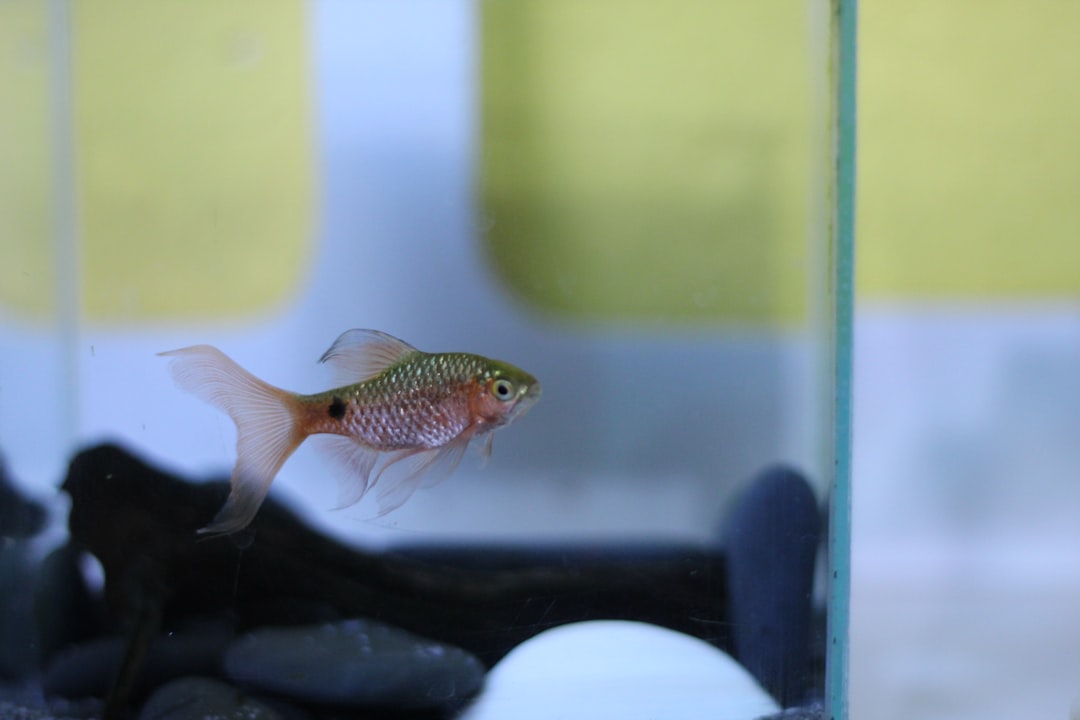
If your fish has white spots that look like grains of salt sprinkled across its body, fins, or gills, it probably has ich (white spot disease). This is one of the most common aquarium fish diseases, and it kills fish if left untreated.
The good news: ich is treatable with a straightforward protocol combining temperature increase and medication.
The Direct Answer
Raise your aquarium water temperature to 28-33°C (82-91°F) for 3-5 days while treating with ich medication. Use one medication tablet per 100 liters of water, repeat after 24 hours with a one-third water change before each dose. Continue treatment until no white spots have been visible for at least 48 hours.
Tropical fish can tolerate temperatures up to 30°C. Coldwater fish should stay at 28°C minimum. Raise temperature gradually—1-2°C per day—to avoid shocking your fish.
What Is Ich?
Ich (pronounced “ick”) is caused by Ichthyophthirius multifiliis, a protozoan parasite that burrows into fish skin and gills. Each white spot you see is a parasite encysted under the fish’s skin, feeding on tissue fluids and cells.
The parasite has a three-stage lifecycle:
-
Trophont stage: The parasite lives on the fish, visible as white spots. It feeds and grows for 3-7 days depending on temperature.
-
Tomont stage: The parasite drops off the fish, settles on substrate or plants, and reproduces by dividing. Each tomont can release hundreds of infective daughter cells.
-
Tomite stage: Free-swimming infective cells search for new fish hosts. They must find a host within 24-48 hours or die. This is when medication can kill them.
The key to treatment: you cannot kill the parasite while it’s embedded in the fish. You must wait for it to drop off and enter the free-swimming stage.
Why Heat Treatment Works
Ich’s lifecycle is temperature-dependent. At normal aquarium temperatures (20-25°C), the complete cycle takes 7-10 days. At 28-33°C, the cycle speeds up to 3-4 days.
Heat treatment works by:
- Accelerating parasite development: Higher temps force the parasite to mature and leave the fish faster
- Shortening the vulnerable window: Free-swimming tomites have less time to find new hosts
- Increasing medication effectiveness: Medication targets free-swimming stages more efficiently when they appear sooner
- Disrupting reproduction: Some strains cannot reproduce effectively at higher temperatures
Heat alone can cure ich, but it takes longer and stresses fish more. Combining heat with medication gives the fastest results with less fish stress.
The Full Treatment Protocol
Step 1: Confirm Ich Diagnosis
Look for these signs:
- White spots like salt grains on body, fins, or gills
- Fish rubbing against objects (flashing)
- Clamped fins
- Heavy breathing or gasping
- Loss of appetite
If only one fish shows symptoms, treat the entire tank. Ich spreads quickly through free-swimming tomites.
Step 2: Prepare for Treatment
- Remove activated carbon from filters—it absorbs medication
- Increase surface agitation to maintain oxygen levels at higher temperatures
- Prepare medication according to package instructions
- Have a thermometer ready to monitor temperature accurately
Step 3: Raise Temperature Gradually
Increase tank temperature by 1-2°C per day until you reach:
- 28-30°C for tropical fish
- 28°C minimum for coldwater fish
- Maximum 33°C if fish tolerate it well
Watch fish closely for stress signs during temperature increase. If fish show heavy breathing or distress, slow down the increase.
Step 4: Add Medication
Standard ich medication dosage:
- One tablet per 100 liters of tank water
- Or follow product-specific instructions
Add the first dose when temperature reaches target range.
Step 5: Water Changes Between Doses
After 24 hours:
- Change approximately one-third of the tank water
- Add fresh water at the same temperature
- Add second medication dose
- Repeat daily until treatment ends
Water changes remove dead parasites and reduce medication buildup.
Step 6: Monitor Progress
Check fish daily for:
- Reduction in white spot count
- New spots appearing
- Fish behavior improvement
- Any signs of medication toxicity
Treatment should continue until no white spots visible for 48 hours. Stopping too early allows surviving parasites to reinfect fish.
Step 7: Return to Normal Temperature
Once treatment ends:
- Reduce temperature gradually (1-2°C per day)
- Restore normal filtration including carbon
- Monitor fish for any recurrence
Complementary Treatments
Some hobbyists add these alongside heat and medication:
- Aquarium salt: 1-3g per liter can help fish cope with stress and reduce parasite attachment. Use with caution for scaleless fish.
- Increased aeration: Higher temperatures reduce dissolved oxygen. Add air stones or increase surface agitation.
Special Considerations
Scaleless Fish
Catfish, loaches, tetras, and other scaleless fish are sensitive to:
- Higher medication doses
- Salt treatments
- Some ich medications containing malachite green or formalin
Use half-doses or choose medications labeled safe for scaleless fish.
Breeding Tanks
Heat treatment can trigger spawning in some species. If breeding fish are present, consider separating them or accepting possible spawning behavior.
Plants and Invertebrates
Some medications harm plants, shrimp, and snails. Check medication labels for compatibility or treat fish in a separate hospital tank.
Common Mistakes to Avoid
-
Raising temperature too fast: Fish can die from thermal shock. Go slow.
-
Stopping treatment early: Surviving parasites will reinfect fish within days. Complete the full protocol.
-
Using carbon during treatment: Activated carbon removes medication from water, making treatment ineffective.
-
Ignoring water quality: Higher temperatures increase fish metabolism and waste production. Test ammonia levels and do extra water changes if needed.
-
Wrong dosage for tank size: Under-dosing fails to kill parasites; over-dosing can kill fish. Calculate tank volume accurately.
-
Not treating the whole tank: Ich free-swimming stages infect all fish. Even healthy-looking fish likely carry early infections.
Prevention Tips
After successful treatment, prevent future outbreaks:
- Quarantine new fish: Keep new arrivals in a separate tank for 2-4 weeks before adding to main tank
- Maintain stable temperatures: Avoid sudden drops that stress fish and trigger outbreaks
- Keep water quality high: Clean water reduces fish stress and disease susceptibility
- Observe fish daily: Catch ich early when treatment is most effective
- Disinfect equipment: Nets and tools can carry parasites between tanks
When Ich Is Not Ich
Sometimes white spots are not ich:
- Velvet disease: Smaller, goldish dust-like coating rather than distinct spots
- Fungal infection: White fuzzy threads, not smooth round spots
- Lymphocystis: Irregular white growths, not uniform dots
If treatment doesn’t work after 5-7 days, reconsider your diagnosis.
Summary
Ich treatment requires patience and consistency. The heat-plus-medication protocol works because it targets the parasite’s vulnerable free-swimming stage while forcing the lifecycle to speed up.
Key steps:
- Raise temperature to 28-33°C gradually
- Add ich medication at correct dosage
- Change 1/3 water daily before each new dose
- Continue until no spots for 48 hours
- Return temperature to normal slowly
Ich is curable when treated properly. Most fish recover fully if caught early and treated consistently.
Comments