Fish Antibiotics Guide: Which Treatment for Which Disease
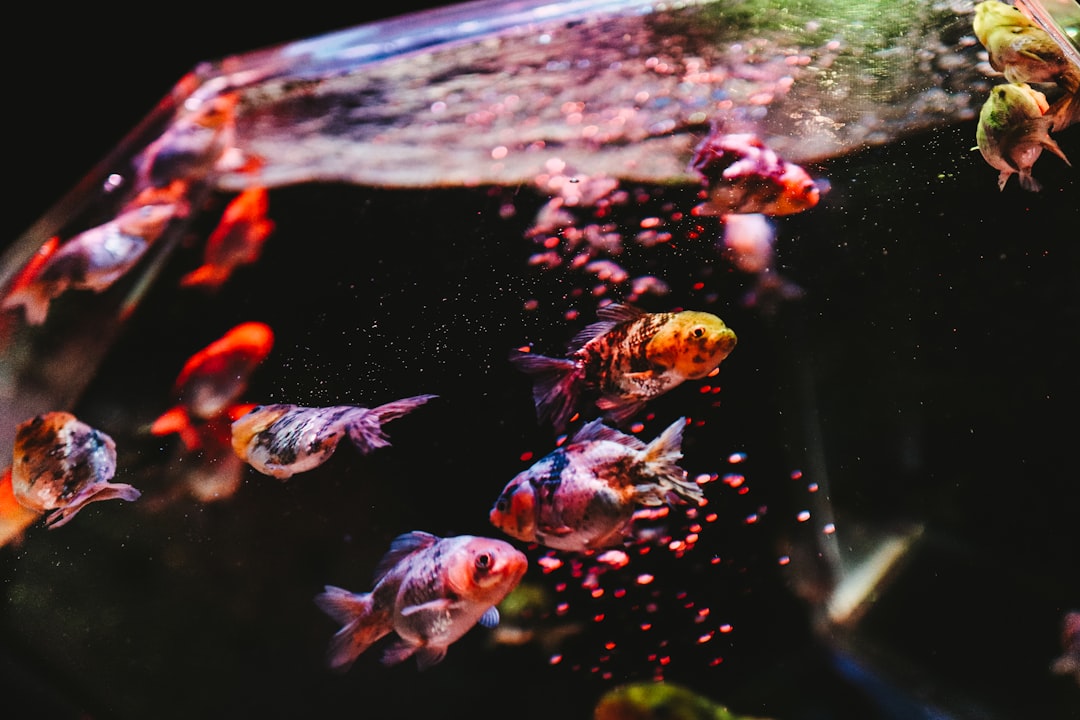
You’ve diagnosed the disease. Now you need to know: which antibiotic treats it? The answer depends on the bacteria causing the infection. This guide matches common fish antibiotics to specific diseases so you can choose the right treatment.
The Antibiotic-to-Disease Match
Choose antibiotics based on disease type:
| Disease | Recommended Antibiotic | Dosage |
|---|---|---|
| Fin Rot | Fish Amoxicillin | 500mg |
| Ulcers | Fish Amoxicillin | 500mg |
| Dropsy | Fish Doxycycline | 100mg |
| Columnaris (Cotton Mouth) | Fish Doxycycline | 100mg |
| Popeye | Fish Ciprofloxacin | 500mg |
| Skin Infections | Fish Ciprofloxacin | 500mg |
| Swim Bladder Disease | Fish Cephalexin | 500mg |
| Skin Lesions | Fish Cephalexin | 500mg |
Match the antibiotic to the specific bacterial pathogen. Using the wrong medication wastes time and lets the infection progress.
Why Each Antibiotic Works
Different antibiotics target different bacterial species:
Amoxicillin - Effective against Aeromonas and Pseudomonas bacteria, the primary causes of fin rot and skin ulcers. These bacteria attack external tissue, causing ragged fins and open wounds.
Doxycycline - Targets internal bacterial infections, especially those affecting kidneys. Dropsy involves kidney failure from Aeromonas infection - doxycycline reaches the internal organs where the bacteria live. It also works against Flavobacterium columnare, the cause of columnaris.
Ciprofloxacin - Broad-spectrum antibiotic effective against eye and skin tissue infections. Popeye results from bacterial infection behind the eye - ciprofloxacin penetrates this tissue effectively.
Cephalexin - Works well for swim bladder issues and general skin lesions. When bacteria infect the swim bladder, fish lose buoyancy control.
Disease Symptoms for Antibiotic Selection
Confirm your diagnosis before buying medication:
Fin Rot
- Frayed, ragged fins with white or red edges
- Fins gradually shorten over days
- Caused by Aeromonas, Pseudomonas, or Vibrio bacteria
- Use Amoxicillin
Dropsy
- Bloated body with scales sticking out (pinecone appearance)
- Fish may swim normally or struggle
- Caused by Aeromonas bacteria attacking kidneys
- Use Doxycycline
Columnaris (Cotton Mouth)
- White cotton-like patches on mouth, body, or fins
- Patches grow larger over time
- Caused by Flavobacterium columnare
- Use Doxycycline
Popeye
- One or both eyes swollen and protruding
- Eye may look cloudy
- Caused by bacterial infection or trauma
- Use Ciprofloxacin (if bacterial)
How Antibiotics Work
Antibiotics kill bacteria but do nothing against parasites or fungi. This matters because:
- Ich (white spots) is parasitic - antibiotics won’t help
- Fungal infections (cotton patches) need antifungal medication
- Bacterial infections need antibiotics
If you use antibiotics on a non-bacterial disease, you waste time, stress the fish, and potentially cause antibiotic resistance without solving the problem.
Antibiotic Resistance Concerns
Bacteria can develop resistance when antibiotics are used incorrectly:
- Under-dosing - not enough medication to kill all bacteria
- Stopping early - surviving bacteria multiply and become resistant
- Using wrong antibiotic - bacteria aren’t affected by the medication
- Overusing prophylactically - treating healthy fish “just in case”
Always complete the full treatment course. Measure dosage accurately. Use the specific antibiotic recommended for that disease.
Treatment Best Practices
Follow these steps when using fish antibiotics:
- Remove activated carbon from filter - it absorbs medication
- Dose accurately - follow package instructions for tank volume
- Complete the course - don’t stop when fish look better
- Monitor water quality - antibiotics can affect beneficial bacteria
- Watch for improvement - symptoms should improve within 3-5 days
- Do water changes after treatment - remove medication residue
Some fish keepers treat in a quarantine tank to avoid medicating the entire display aquarium. This protects beneficial bacteria in your main tank filtration.
When to Combine Treatments
Sometimes antibiotics work better combined with other treatments:
- Salt - aquarium salt (1-3 tsp per gallon) helps with external bacterial infections by reducing fluid retention and promoting healing
- Temperature adjustment - raising temperature slightly (to 78-80°F) can speed fish metabolism and medication effectiveness
- Water changes - clean water supports recovery alongside medication
Never combine multiple antibiotics without specific guidance. Some combinations interfere with each other.
Prevention Reduces Antibiotic Need
The best antibiotic strategy is needing fewer antibiotics:
- Maintain 0 ppm ammonia and nitrite
- Keep nitrates below 40 ppm
- Perform weekly 25% water changes
- Avoid overcrowding
- Feed high-quality food
- Quarantine new fish for 2-4 weeks
Healthy fish in clean water resist bacterial infections naturally. Antibiotics become necessary when stress weakens immunity and bacteria multiply.
Summary
Match antibiotics to diseases:
- Amoxicillin → Fin Rot, Ulcers
- Doxycycline → Dropsy, Columnaris
- Ciprofloxacin → Popeye, Skin Infections
- Cephalexin → Swim Bladder, Skin Lesions
The right antibiotic at the right dosage, completed fully, gives your fish the best chance of recovery. Confirm the diagnosis first, choose the matched medication, and follow through with proper treatment protocol.
Comments