How to Treat Fin Rot in Fish: From Early Signs to Full Recovery
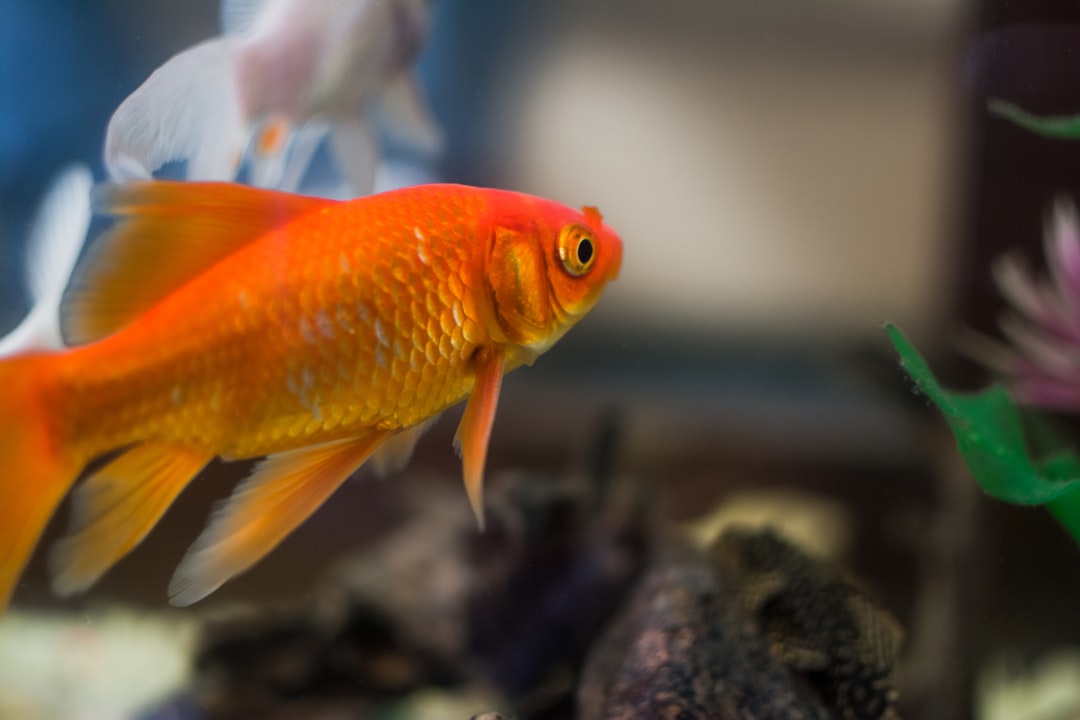
Fin rot is one of the most common bacterial infections in aquarium fish. It causes fins to fray, tear, turn black at the edges, or appear bloody. The good news is that fin rot is highly treatable, especially in its early stages. Understanding why it happens and how to fix the underlying cause is more important than simply adding medication.
How to Identify Fin Rot
Fin rot attacks fin tissue from the edges inward. Look for these signs:
- Frayed or ragged edges: Fins look torn, uneven, or shredded at the tips.
- Blackened edges: Fin margins turn black, gray, or brown. This discoloration often progresses inward.
- Bloody or red edges: In more severe cases, fin edges may appear inflamed or bloody.
- Shortening fins: Over time, fins recede as tissue is destroyed. The fins look progressively shorter.
- White or cloudy patches: Sometimes a white or milky margin appears where tissue is dying.
Fin rot most commonly affects the tail fin (caudal fin) and other long fins, especially on fish like bettas, goldfish, and angelfish. However, it can occur on any fin.
Fin Rot vs. Physical Damage from Fighting: How to Tell the Difference
Not all torn fins are fin rot. Physical damage from fighting, rough handling, or sharp decorations also causes torn fins. Distinguishing between the two matters because treatment differs.
Signs of fin rot (infection):
- Fins fray or dissolve gradually over days.
- Black, gray, white, or red discoloration at fin edges.
- Multiple fish may show symptoms.
- No obvious wounds, bite marks, or split patterns.
Signs of physical damage:
- Fins are torn in specific patterns—clean splits, V-shaped cuts, or chunks missing.
- No discoloration at edges (unless infection follows the injury).
- Often only one fish affected, usually a target of aggression.
- Damage appears suddenly after a fight or handling event.
If fins are physically torn but show no discoloration or progressive deterioration, the cause is likely injury, not infection. Watch for secondary infection developing on damaged fins.
Why Fin Rot Happens: Organic Waste and Bacterial Growth
Fin rot is caused by bacteria, most commonly Aeromonas and Pseudomonas. These bacteria are present in most aquariums but become problematic when conditions favor their growth.
The key factor is organic waste. Decaying food, fish waste, and debris in the tank and filter provide the nutrients these bacteria need to multiply. When waste accumulates, bacterial populations explode, and opportunistic infections take hold.
Common triggers for fin rot outbreaks:
- Dirty filters: Clogged filter sponges trap organic waste and become breeding grounds for bacteria. Many hobbyists overlook filter maintenance during fin rot treatment.
- Poor water quality: High ammonia, nitrite, or nitrate levels stress fish and suppress immune function, making infections more likely.
- Overcrowding: Too many fish produce more waste than the filter and maintenance can handle.
- Stress: Temperature fluctuations, aggressive tank mates, poor nutrition, and other stress factors weaken fish immunity.
Fin rot rarely occurs in a clean, well-maintained tank with healthy, unstressed fish. Addressing the underlying conditions is essential for successful treatment and prevention.
Early-Stage Treatment Protocol
For mild fin rot where fins show slight fraying or minor discoloration:
Increase Water Change Frequency
This is often enough to reverse early fin rot. Perform 25-30% water changes every 2-3 days for a week or two. Clean water removes bacterial breeding grounds and lets the fish’s immune system recover.
Use Water Conditioner
Add a quality water conditioner during changes. Some conditioners include ingredients that support slime coat and stress reduction.
Test and Fix Water Parameters
Test ammonia, nitrite, and nitrate. Ensure ammonia and nitrite are zero. Reduce nitrate through water changes and plant uptake if applicable.
Early fin rot often resolves with improved water quality alone. Medication is not always necessary.
Advanced-Stage Treatment Protocol
For severe fin rot with significant tissue loss, blackened edges, or bloody margins:
Move to a Hospital Tank If Severe
A hospital tank lets you treat without exposing other fish to medication. It also allows precise control of water quality. Use a tank appropriate for the fish size with gentle filtration.
Add Antibacterial Medication
Use medications specifically designed for bacterial infections:
- Erythromycin: Effective for many gram-positive bacterial infections.
- Minocycline: A tetracycline antibiotic with broad-spectrum activity.
- Other antibacterial products: Many aquarium medications combine multiple antibiotics for broader coverage.
Follow package instructions for dosing and treatment duration. Complete the full course even if fins appear to improve early.
Continue Frequent Water Changes
Water changes remain important during medication treatment. They remove dead bacteria, waste, and debris. Replace medication after water changes according to product guidance.
The Hidden Culprit: Cleaning Your Filter Correctly
Clogged filters are often the real source of fin rot problems. Organic waste trapped in filter media feeds bacterial growth. If you treat with medication but leave a dirty filter in place, reinfection is likely.
How to clean filters properly:
- Remove filter media and rinse it in old tank water (water you just removed during a water change).
- Do not rinse in tap water. Tap water contains chlorine or chloramine that kills beneficial bacteria essential for the nitrogen cycle.
- Squeeze sponge media gently to remove trapped debris.
- Replace chemical media (carbon, phosphate removers) if they are exhausted.
- Never replace all biological media at once. Preserve enough beneficial bacteria to maintain ammonia and nitrite processing.
Clean your filter during fin rot treatment, and maintain regular cleaning afterward.
How to Prevent Fin Rot Permanently
Prevention is straightforward but requires consistent habits:
Regular maintenance schedule: Establish a routine of weekly water changes (20-30%) and monthly filter cleaning. Do not skip maintenance during busy periods.
Proper filter cleaning: Rinse filter media in old tank water. Never use tap water or replace all biological media at once.
Avoid overcrowding: Stock your tank within its capacity. Overcrowding produces excess waste and stress.
Monitor water parameters weekly: Test ammonia, nitrite, and nitrate regularly. Catch problems early before they trigger disease.
Feed appropriately: Offer only what fish can eat in a few minutes. Remove uneaten food promptly.
Common Mistakes
-
Medicating without fixing water quality: Medication kills bacteria, but poor water conditions let them return. Water quality must be addressed.
-
Using tap water to clean filters: Chlorine kills beneficial bacteria, potentially causing ammonia spikes that worsen fin rot.
-
Stopping treatment early: Fins may look better before tissue is fully healed. Complete the treatment course.
-
Ignoring tank dynamics: If fin damage comes from fighting, no medication will fix it. Address aggression separately.
Summary
Fin rot is a bacterial infection caused by Aeromonas or Pseudomonas thriving in organic waste. Early cases often reverse with frequent water changes and improved water quality alone. Advanced cases require antibacterial medication combined with water changes and filter cleaning. Distinguish fin rot from physical damage from fighting—the treatments differ. Clean filters, regular water changes, proper stocking, and weekly water testing prevent fin rot from occurring. The most common mistake is medicating without addressing the underlying waste and water quality issues that caused the outbreak.
Comments