Why Is My Fish's Scales Sticking Out? Dropsy Treatment Options and Survival Chances
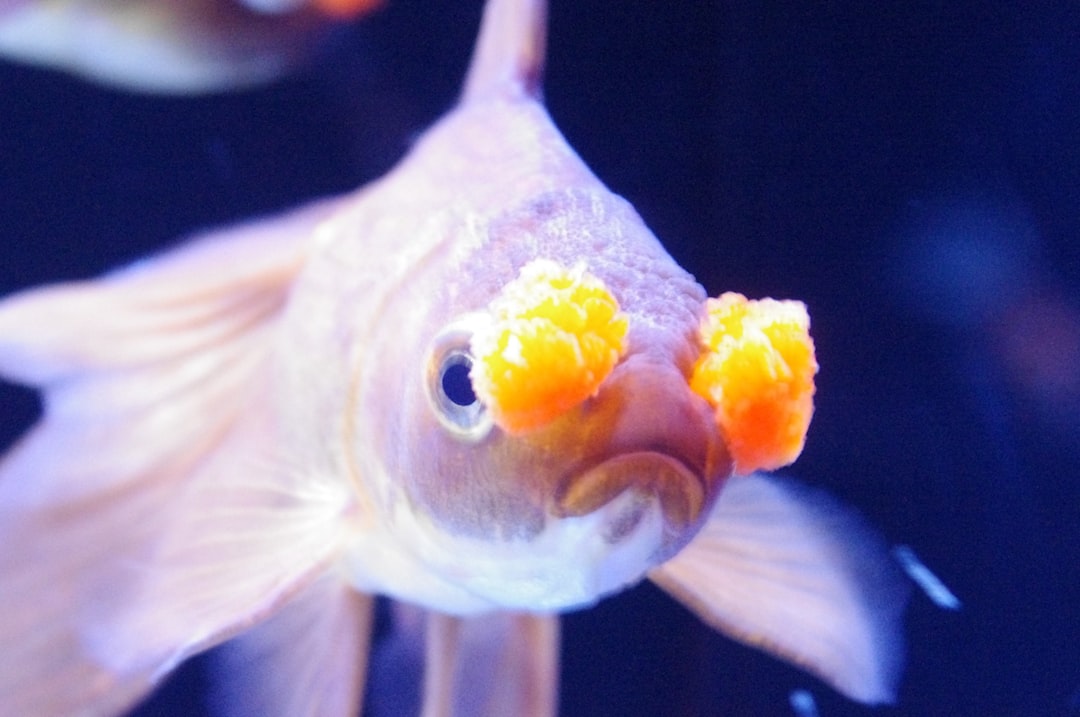
If your fish looks like a pinecone with scales sticking out from a swollen body, it has dropsy. This is one of the most serious conditions in aquarium fish, and unfortunately, it often signals advanced internal organ failure.
The direct answer: dropsy has a high mortality rate, but some cases can be treated if caught very early and if the underlying cause is external injury rather than internal infection.
What Is Dropsy?
Dropsy is not a single disease. It is a symptom—a visible sign that something has caused fluid to accumulate inside the fish’s body cavity.
When fluid builds up under the skin and around internal organs, it pushes the scales outward, creating the characteristic “pinecone” appearance. The fish’s abdomen swells, scales protrude at angles instead of lying flat, and the fish often appears bloated and lethargic.
Key visible signs:
- Scales sticking out like a pinecone
- Swollen, rounded abdomen
- Sometimes bulging eyes (pop-eye)
- Lethargy and loss of appetite
- Difficulty swimming
The pinecone appearance means significant internal fluid retention. This fluid accumulation happens because the fish’s internal systems cannot properly regulate fluids anymore.
What Causes Dropsy?
Several underlying conditions can cause dropsy symptoms. Understanding the cause helps determine whether treatment might work.
Internal Bacterial Infection
The most common cause. Bacteria infect internal organs—usually kidneys or liver—and cause them to fail. When kidneys fail, the fish cannot regulate fluid balance, leading to retention and swelling.
- Prognosis: Poor. Most cases are fatal because organ damage is often irreversible by the time scales protrude.
- Treatment approach: Long-term antibiotic baths, but success rates are low.
Internal Parasites
Some parasites damage internal organs, causing similar fluid retention. Parasitic dropsy is less common but possible.
- Prognosis: Depends on parasite type and organ damage extent.
- Treatment approach: Anti-parasitic medication alongside supportive care.
Temperature Shock
Sudden temperature drops can shock fish metabolism and trigger organ dysfunction, including fluid regulation problems.
- Prognosis: Better if the fish was healthy before the shock and temperature is restored quickly.
- Treatment approach: Restore proper temperature and monitor. Some fish recover without medication.
Physical Injury or Trauma
External injuries from fighting, handling, or accidents can lead to secondary infections that cause localized swelling and scale protrusion.
- Prognosis: Better than internal infection cases because the cause is external and potentially treatable.
- Treatment approach: Antibiotic baths targeting wound infection, possibly combined with topical treatments.
Severe Enteritis
Intestinal inflammation that becomes severe enough to spread systemically can eventually cause dropsy-like symptoms.
- Prognosis: Poor if already showing scale protrusion.
- Treatment approach: Antibiotics if bacterial, fasting and supportive care if mild.
Why Dropsy Is Often Fatal
By the time you see pinecone scales, the internal damage is usually advanced. The kidneys or liver have already failed significantly. Fish cannot survive long without functional fluid regulation.
Think of dropsy like kidney failure in humans—once the organs stop working properly, the body cannot maintain its internal balance. The visible symptom (protruding scales) appears only after substantial damage has occurred.
This explains why many experienced hobbyists recommend euthanasia for fish showing full pinecone scales. The suffering fish has low chances of recovery, and prolonged treatment may extend misery without improving outcome.
Treatment Options
Despite the grim prognosis, some cases can recover. Treatment depends on the suspected cause and how early you catch it.
Antibiotic Bath Treatment
The standard approach:
- Medication: Nitrofurazone (yellow powder) or oxytetracycline (terramycin)
- Method: Long-term bath in hospital tank with medication
- Duration: 2-4 weeks until recovery or until condition clearly worsens
- Water changes: Regular partial water changes to maintain quality during treatment
Set up a separate hospital tank for treatment. Dropsy fish should be isolated from other fish immediately.
Early Case Treatment
If caught before full pinecone appearance—just showing slight abdominal swelling—the chances improve:
- Move fish to hospital tank immediately
- Begin antibiotic treatment
- Maintain excellent water quality
- Offer small amounts of easily digestible food if fish still eats
- Monitor closely for improvement or worsening
External Injury Cases
When dropsy follows visible injury:
- Treat the wound site with antiseptic if appropriate (iodine for external application)
- Begin antibiotic bath treatment
- Keep water pristine to prevent secondary infection
- Watch for healing signs
Some injury-related cases recover over several weeks.
When Treatment Fails
If the fish shows no improvement after 1-2 weeks of treatment:
- Scales still protruding or worse
- Fish increasingly lethargic
- No appetite
- Additional symptoms appearing
The fish likely has irreversible organ damage. At this point, consider humane euthanasia rather than prolonging suffering.
Realistic Expectations
Experience from hobbyist forums and veterinary sources suggests:
- 90%+ mortality rate for true dropsy with full pinecone scales
- Some recoveries reported when caught very early (before scales protrude)
- External injury cases have better chances than internal infection cases
- Treatment takes weeks, not days—patience and consistency matter
Many fishkeepers report spending weeks on treatment only to lose the fish anyway. Others report successful early intervention saves fish that would otherwise die.
Prevention Strategies
Dropsy often results from conditions that stress fish over time. Prevent it by:
- Maintaining stable temperatures: Avoid sudden drops that shock fish systems
- Keeping excellent water quality: Ammonia and nitrite damage fish health over time
- Avoiding overcrowding: Crowded tanks increase stress and disease spread
- Feeding appropriately: Overfeeding causes digestive issues; poor nutrition weakens fish
- Preventing injuries: Separate aggressive fish, handle fish carefully
- Quarantining new fish: Prevent introducing diseases that could lead to dropsy
Related Conditions to Understand
Dropsy often appears alongside or is confused with:
- Pop-eye (exophthalmia): Bulging eyes can accompany dropsy or occur separately. Same underlying causes—internal infection, organ failure, or injury.
- Ascites: Another term for internal fluid accumulation, essentially the same condition.
- Simple bloating: Digestive bloating from overfeeding or constipation does not cause protruding scales. Fish may look round but scales remain flat.
The key difference: true dropsy shows protruding scales. Simple digestive issues show swollen body but flat scales.
Humane Considerations
When dropsy is advanced and treatment unlikely to succeed:
- Fish may suffer for days or weeks
- Organ failure causes systemic distress
- Swimming becomes difficult or impossible
- Fish may stop eating entirely
Some fishkeepers choose euthanasia using approved methods (clove oil overdose in separate container) rather than prolonging suffering with low-probability treatment.
This is a personal decision, but it should be made thoughtfully based on realistic prognosis rather than hope alone.
Summary
Dropsy—pinecone-like protruding scales—is a serious symptom of internal fluid retention, most often caused by organ failure from bacterial infection or other internal damage.
Key points:
- High mortality rate (90%+) for advanced cases
- Treatment possible for early cases and external injury causes
- Antibiotic baths (nitrofurazone, oxytetracycline) for 2-4 weeks
- Isolate affected fish immediately
- Realistic expectations help make humane decisions
If your fish shows dropsy symptoms, start treatment quickly but understand the prognosis. Some fish recover; many do not. The key is catching it early and understanding when treatment has reasonable chances versus when humane euthanasia is appropriate.
Comments