How to Fix Water Quality Crash After Large Aquarium Water Change
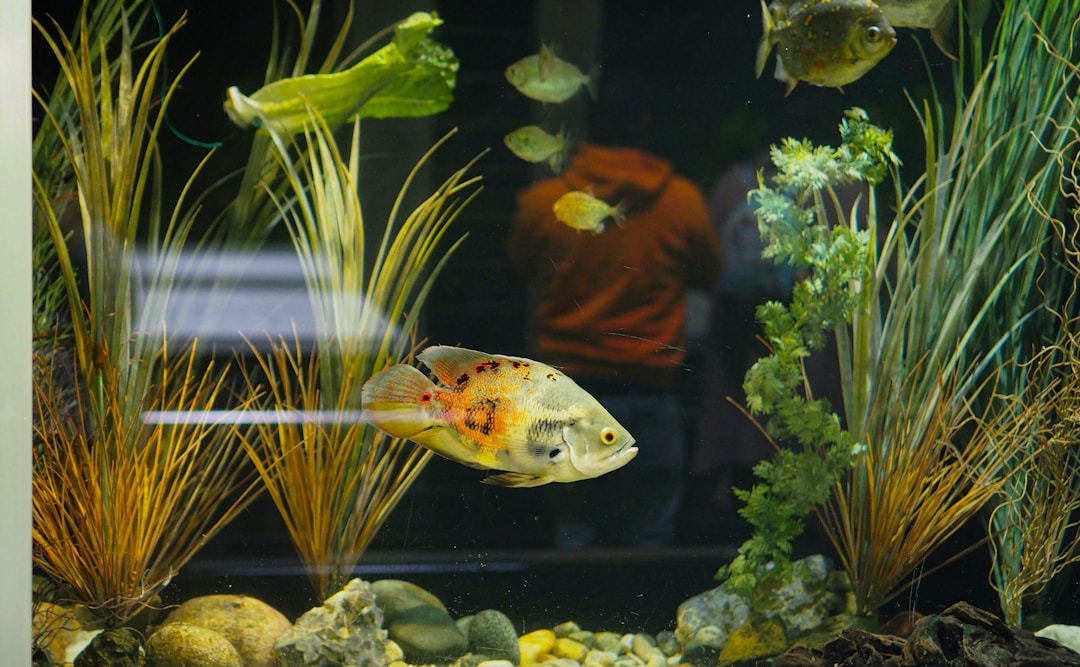
If you just did a large water change and now your fish are gasping, hiding, or the water looks cloudy, you are not alone. This is a common emergency that happens when the nitrogen cycle gets disrupted. The good news: you can fix it within 48 hours if you act fast.
What Causes a Water Quality Crash After Water Change
A large water change removes more than just dirty water. It also removes up to 80% of the beneficial bacteria that live in your filter media and substrate. These nitrifying bacteria are what convert toxic ammonia into safer nitrate.
Without enough bacteria, ammonia and nitrites can spike 3 to 5 times higher within 6 hours. Real aquarium owners have measured nitrite jumping from 0.05 mg/L to 0.3 mg/L after improper water changes. That level is dangerous for most fish.
There are three main causes behind this crash:
-
Temperature shock: If the new water is more than 2 degrees Celsius different from the tank water, fish go into thermal stress. Their metabolism changes, their immune system weakens, and they become vulnerable to disease.
-
Chlorine exposure: Tap water contains chlorine or chloramine to kill pathogens. The same chemicals also kill fish gill tissue and beneficial bacteria. Even brief exposure damages the slime coat that protects fish from infection.
-
Bacteria loss: Nitrifying bacteria colonize surfaces in your tank, especially filter media. When you change a large volume of water and disturb those surfaces, you remove the biological filter that keeps ammonia under control.
The 48-Hour Recovery Protocol
Follow these steps immediately after noticing signs of stress:
Step 1: Test Your Water
Use a liquid test kit to check ammonia, nitrite, and nitrate. Record the numbers. You need this baseline to know if your recovery actions are working.
Step 2: Match Temperature
Measure the tank water temperature. Prepare replacement water that is within 1 to 2 degrees of that reading. Use a thermometer, not your hand. Thermal shock is invisible but deadly.
Step 3: Neutralize Chlorine
Add dechlorinator at the recommended dose, usually 1 mL per 100 liters. If you use Vitamin C as an emergency alternative, use 1 tablet per 200 liters and wait 10 minutes before adding the water.
Never skip this step. One aquarist lost all his guppies after adding untreated 20 degree Celsius tap water directly to the tank.
Step 4: Reseed Bacteria
Add a commercial bacteria supplement at double the normal dose. Use 5 to 10 mL per 100 liters. Turn off your filter for 2 hours after adding the bacteria. This gives the bacteria time to attach to the media instead of getting flushed through the system.
Step 5: Maximize Aeration
Run your air pump at full output for 24 to 48 hours. Nitrifying bacteria are aerobic. They need oxygen to process ammonia. Experiments show that maximum aeration can increase ammonia conversion speed by 60%.
Step 6: Monitor and Adjust
Test ammonia and nitrite every 6 to 12 hours. If ammonia rises above 0.25 mg/L, add another dose of bacteria supplement and continue aeration. Reduce feeding to once per day or skip feeding for 24 hours to lower ammonia production.
Warning Signs to Watch For
During the recovery window, watch your fish for these stress signals:
- Gasping at the surface (low oxygen or ammonia burn)
- Clamped fins held tight against the body
- Hiding in corners or staying motionless
- White spots appearing on fins or body (secondary ich infection)
- Red streaks in fins (ammonia burn)
If you see any of these, test immediately and double-check your temperature and chlorine treatment.
Common Mistakes During Recovery
Avoid these errors that slow down recovery or cause more harm:
Cleaning the filter too soon: Do not clean or replace filter media during the first week after a water crash. That would remove the bacteria you just added.
Adding more fish: Wait until ammonia and nitrite stay at zero for at least 3 days before introducing new stock.
Feeding normally: Continue light feeding only. Overfeeding adds more ammonia load while bacteria are still rebuilding.
Relying on standing water: Letting tap water sit for 24 hours does not remove enough chlorine. Use dechlorinator or aerate for 48 hours with a strong air pump.
Summary Checklist
After a large water change, run through this checklist:
- Test ammonia, nitrite, nitrate immediately
- Match new water temperature within 1 to 2 degrees
- Add dechlorinator or use Vitamin C emergency method
- Add bacteria supplement at double dose
- Turn off filter for 2 hours to let bacteria colonize
- Run air pump at maximum for 24 to 48 hours
- Test every 6 to 12 hours until parameters stabilize
- Reduce feeding to minimize ammonia load
The nitrogen cycle is resilient, but it needs time and oxygen to recover. If you follow this protocol and avoid the common mistakes, your tank should stabilize within 48 hours. Your fish will stop gasping, the water will clear, and ammonia will return to safe levels.
Comments