How to Change Aquarium Water Without Killing Your Fish: Step-by-Step Safety Guide
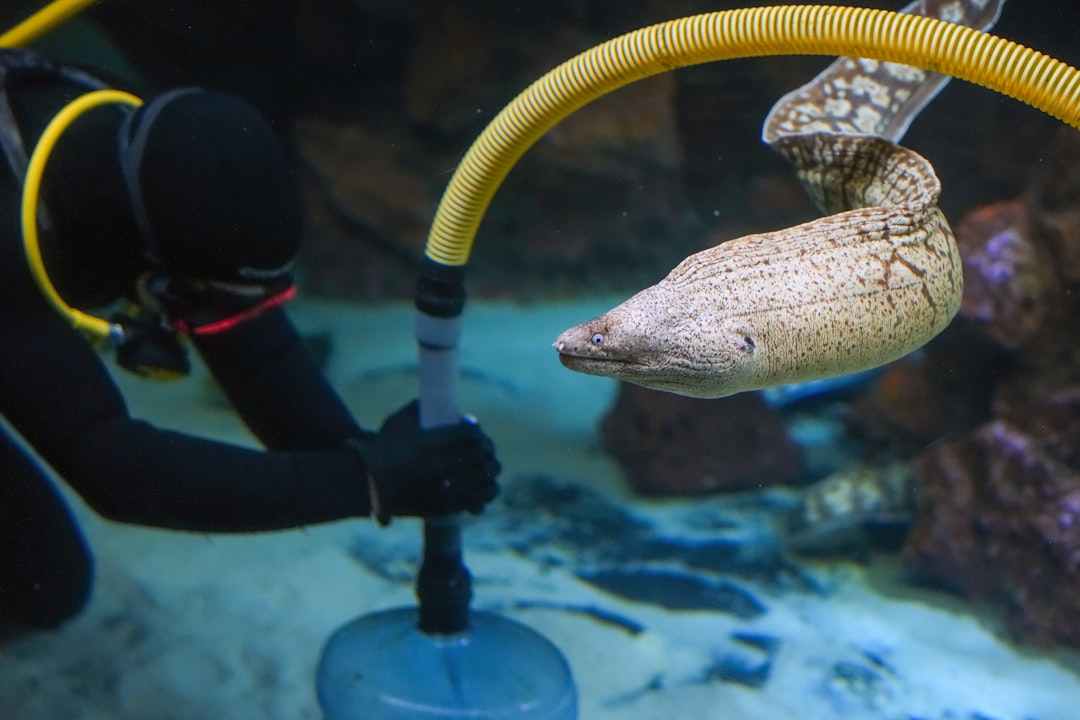
New aquarium owners often worry about harming their fish during water changes. This guide shows you exactly how to do it safely.
The Direct Answer
Change 10-25% of tank water weekly using temperature-matched, conditioned water. Unplug all electrical equipment before starting. Use a siphon to remove old water slowly, then add prepared water gently. Keep fish in the tank during the process.
Moving fish causes more stress than the water change itself.
Why Fish Die During Water Changes
Fish die from three main causes during water changes:
- Chlorine/chloramine poisoning - Tap water chemicals burn fish gills within hours
- Temperature shock - Mismatched water causes metabolic collapse
- Bacterial colony disruption - Overcleaning crashes the biological filter
This method addresses all three risks.
Equipment Checklist
Budget option:
- 5-gallon bucket (dedicated to aquarium use only)
- Aquarium siphon/gravel vacuum ($10-15)
- Digital thermometer ($8-12)
- Water conditioner (Seachem Prime or similar)
- Towels for spills
Premium option:
- Python water changer system ($30-50) - connects directly to faucet
- Digital thermometer with probe
- Concentrated water conditioner (treats more water per bottle)
- Power strip with easy-off switch
Never use buckets that held soap, chemicals, or food. Residue contaminates tank water.
Step-by-Step Process
Step 1: Preparation (5 minutes)
- Fill bucket(s) with tap water
- Add water conditioner immediately. Add it before the water enters the tank.
- Let water sit while you prepare equipment
- Check temperature with thermometer
Step 2: Safety Check (2 minutes)
- Unplug heater
- Unplug filter
- Unplug any other electrical equipment
- Place towels around work area
Never start a water change without everything ready. Unplugging equipment prevents electrical shock and heater damage.
Step 3: Remove Water (10-20 minutes)
- Place bucket below tank level
- Start siphon by filling tube with water, then lowering below tank
- Vacuum gravel gently while draining
- Stop at your target percentage (10-25%)
Do not vacuum all the gravel. Beneficial bacteria live there. Clean one section at a time.
Step 4: Add New Water (15-30 minutes)
- Check new water temperature against tank water
- Match within 2°F. Use thermometer to verify.
- Pour water slowly into tank
- Pour against the glass or use a pitcher to reduce flow
Never pour water directly onto fish. The force can injure them.
Step 5: Restart Equipment
- Plug in filter first
- Plug in heater after water level stabilizes
- Check that all equipment runs properly
Step 6: Final Check
- Watch fish for 5-10 minutes
- Look for normal swimming behavior
- Fish hiding for 1-2 hours is normal stress response
Critical Safety Points
Temperature Matching
Temperature mismatch kills fish. A difference greater than 2°F causes shock that can kill within hours.
Always use a thermometer. Do not rely on “feeling” the temperature.
- Tank at 78°F: New water should be 76-80°F
- Tropical tanks: Match closely
- Cold water tanks: Match closely
Water Conditioner Use
Add conditioner to the new water before it enters the tank.
Chlorine vs chloramine:
- Chlorine: Conditioner works immediately
- Chloramine: Contains ammonia bound to chlorine. Requires conditioner that handles both. Seachem Prime works for both.
Check your local water treatment. Many municipalities now use chloramine.
Beneficial Bacteria Habitat

Beneficial bacteria colonize filter media, substrate, and tank surfaces. The image above shows filter media where most bacteria live.
Do not:
- Clean all filter media at once
- Rinse filter media in tap water (chlorine kills bacteria)
- Change filter cartridges during water changes
- Vacuum all gravel in one session
Do:
- Swish filter media in old tank water if needed
- Clean one filter section at a time
- Vacuum different gravel sections each water change
What NOT to Do
- Remove fish from the tank - Netting and moving causes more stress than water changes
- Change more than 30% - Unless treating specific illness
- Skip conditioner - Chlorine burns gills within minutes
- Leave heaters plugged in - Heater can crack when exposed to air
- Use hot tap water - Can contain copper and heavy metals from pipes
- Rush the process - Pouring water fast shocks fish
Post-Change Monitoring
Fish hiding for 1-2 hours after a change is normal. This is a mild stress response.
Check after 24 hours:
- Fish should be swimming normally
- No fish gasping at surface
- No fish clamping fins tight to body
- No fish sitting on bottom motionless
If fish still hide beyond 24 hours, test water parameters immediately. Something went wrong.
Summary
Safe water changes require preparation. Match temperature within 2°F. Add conditioner before water enters the tank. Unplug all electrical equipment. Keep fish in the tank. Change only 10-25% at a time. Do not overclean filter media or gravel.
The process takes 30-45 minutes. Preparation prevents most problems. Fish that hide briefly after changes usually recover within hours.
Watch fish behavior. Hiding beyond 24 hours indicates a problem that needs testing and correction.
Comments