Signs Your Fish Tank Needs a Water Change: How to Know When It's Due
Following a regular water change schedule works well for most tanks. But sometimes your aquarium needs attention sooner than planned. Learning to recognize warning signs helps you intervene before fish health declines.
The Direct Answer
Visual signs include cloudy water, unpleasant odor, and visible algae growth. These often indicate waste accumulation.
The reliable method is water testing. Ammonia above 0 ppm, nitrite above 0 ppm, or nitrate above 40 ppm means you should change water immediately.
Fish behavior may show stress before water looks bad. Gasping at the surface, hiding constantly, clamped fins, or loss of appetite can all signal water quality problems.
Visual Warning Signs
Cloudy Water

Cloudy water has two common causes:
Bacterial bloom: A grayish or milky cloudiness often appears in new tanks or after disturbances. Beneficial bacteria multiply rapidly, clouding the water temporarily. This usually resolves on its own within days.
Particulate debris: A dusty or grainy cloudiness indicates suspended waste. Fish waste, uneaten food, and decomposing plant material float in the water column. This requires cleaning—vacuum substrate, clean filter, and change water.

Unpleasant Odor
A healthy aquarium should smell neutral or slightly earthy. Strong odors indicate problems:
- Rotten smell: Decomposing organic matter, usually from dead fish, plants, or buried food
- Sulfur smell: Anaerobic bacteria in deep substrate pockets, often from compacted gravel
- Strong fishy smell: Usually indicates high ammonia levels from excessive waste
Any noticeable unpleasant odor warrants investigation and likely water change.
Algae Growth

Algae blooms often signal nutrient imbalance. Green water (single-celled algae suspended in water) and dense surface algae indicate excess nutrients—often from accumulated nitrates and phosphates.
Some algae growth is normal. But rapid spreading or water that turns visibly green suggests high nutrient levels that water changes can help control.
Fish Behavior Warning Signs
Fish often show stress before water problems become visible. Watch for these behaviors:
Gasping at the Surface
Fish gathering at the surface and gulping air indicates low oxygen or high ammonia. Ammonia burns gills, reducing oxygen absorption. This is a serious sign requiring immediate action.
Lethargy and Hiding
Active fish suddenly hiding most of the time, swimming slowly, or resting on the bottom suggests stress. Check parameters immediately.
Clamped Fins
Fish holding their fins tight against their body instead of spread normally often feel stressed. This can result from poor water quality, disease, or temperature shock.
Loss of Appetite
If normally eager eaters ignore food, something is wrong. Test water first—ammonia and nitrite spikes often cause fish to stop eating.
Visible Health Issues

Frayed fins, red streaks on fins or body, swollen areas, or unusual spots can all result from poor water quality weakening fish immunity. These symptoms may indicate infection, but the underlying cause is often accumulated waste.
The Nitrogen Cycle and Toxin Buildup

Understanding how waste accumulates helps you interpret warning signs correctly.
Fish produce ammonia through respiration and waste. Beneficial bacteria convert ammonia to nitrite, then nitrite to nitrate. Nitrate is less toxic but accumulates over time because the final conversion step (to nitrogen gas) happens slowly in most tanks.
Parameter Thresholds
| Parameter | Safe Level | Danger Level | Action Required |
|---|---|---|---|
| Ammonia | 0 ppm | Any detectable | Immediate 25-50% water change |
| Nitrite | 0 ppm | Any detectable | Immediate water change, add salt for freshwater |
| Nitrate | <40 ppm | 40+ ppm | Schedule water change soon |
Ammonia and nitrite at any detectable level are dangerous. Even 0.25 ppm ammonia can harm sensitive fish over time. Nitrate becomes stressful above 40 ppm and dangerous above 80 ppm.
What Happens If You Skip Changes
Without regular water changes, nitrates accumulate continuously. Fish may adapt slowly, showing no obvious symptoms while their health declines. Long-term nitrate stress:
- Weakens immune system
- Reduces growth rate
- Decreases lifespan
- Makes fish susceptible to diseases they would normally resist
Skipping changes also allows pH to drift. Decomposition releases acids, gradually lowering pH. Large changes after long delays can shock fish with sudden pH shifts.
Using Water Test Kits
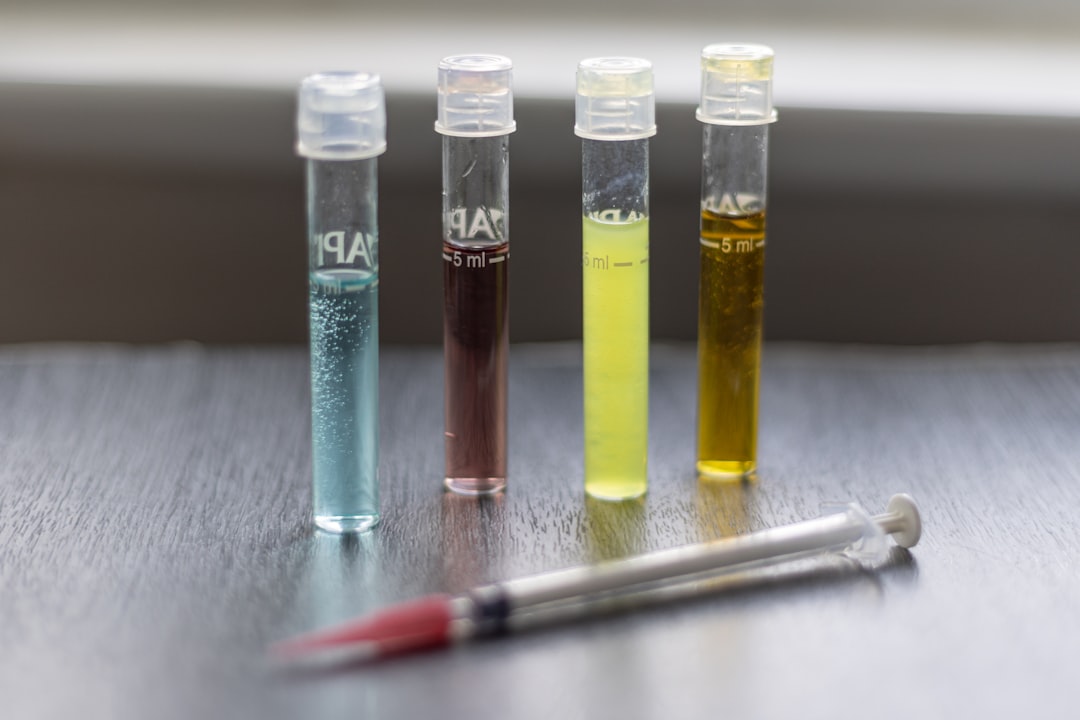
Liquid test kits provide accurate readings. The API Freshwater Master Test Kit measures ammonia, nitrite, nitrate, and pH—the core parameters for aquarium health.
How to Test
- Fill test tube with tank water to marked line
- Add specified drops of each reagent
- Shake or invert tube as instructed
- Compare color against reference chart
- Record readings for tracking
Test weekly on established tanks. Test daily on new tanks during cycling. Test immediately when fish show any stress symptoms.
Testing Frequency
| Tank Status | Testing Frequency |
|---|---|
| New (cycling) | Daily |
| Newly established (first 3 months) | Twice weekly |
| Established, stable | Weekly |
| Showing warning signs | Immediately |
Decision Checklist
When you notice any concern, follow this decision process:
-
See cloudy water? → Test ammonia and nitrite. If both are 0, clean substrate and filter. If either is elevated, change water.
-
Smell unpleasant odor? → Find the source (dead matter, compacted gravel). Remove source and change 25% water.
-
See algae bloom? → Test nitrate. If elevated, change water. Reduce lighting and feeding.
-
Fish showing stress? → Test all parameters immediately. Change water if ammonia or nitrite present. Consider salt (for freshwater) if nitrite is elevated.
-
Nitrate above 40 ppm? → Schedule water change within 24 hours.
-
All tests normal but fish stressed? → Check temperature, pH stability, and disease symptoms. Water change may still help by diluting unknown irritants.
Summary
Warning signs appear through three channels: visual changes (cloudiness, odor, algae), fish behavior (gasping, hiding, appetite loss), and test results (parameter elevations). Testing provides the most reliable early warning—catching problems before fish show symptoms. Test weekly, recognize visual and behavioral changes, and act when ammonia or nitrite appear at any level or nitrate exceeds 40 ppm. Prevention through regular maintenance prevents most crisis situations.
Comments