How Much Water to Change in a Fish Tank: The Complete Guide for Beginners
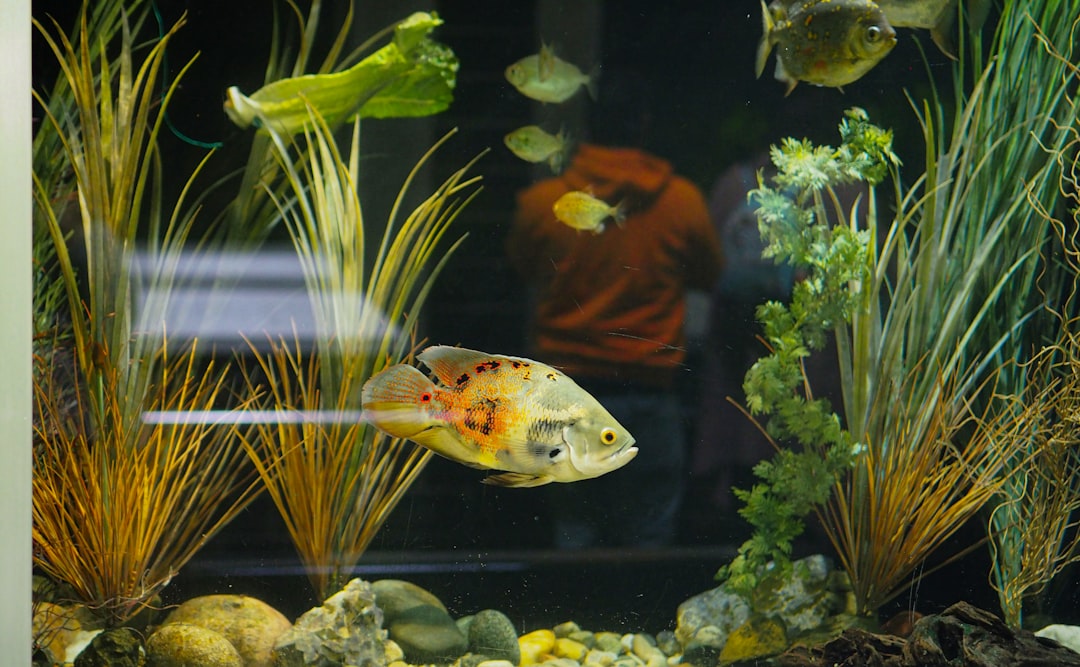
Beginners often ask: how much water should I change in my fish tank? The answer depends on your tank setup, but the rule is simple.
The Direct Answer
For most home aquariums, change 20-25% of the total water volume weekly. Heavily stocked tanks may need 30-40% changes. Lightly stocked tanks need only 15-20%. Never change more than 50% at once except in emergencies.
This range works because it removes accumulated waste while keeping water parameters stable. Fish do not tolerate sudden changes well.
Why Percentage Matters
Smaller, regular water changes serve two purposes:
-
Dilute toxins gradually - Nitrates, dissolved organics, and other waste compounds build up over time. A 20% change reduces these by 20%, enough to keep levels safe without shocking the system.
-
Prevent parameter swings - Large changes shift pH, temperature, and mineral content too fast. Fish feel this as stress. Their immune systems weaken. Disease follows.
Think of it like this: a 25% change reduces nitrate from 80 ppm to 60 ppm. Safe. A 75% change could drop nitrate from 80 ppm to 20 ppm - but also shift pH from 7.6 to 7.2. That pH swing stresses fish more than the high nitrate did.
How to Calculate the Volume
Measure your tank’s total water volume, then multiply by your target percentage.
For a 40-gallon tank at 25%:
- 40 × 0.25 = 10 gallons to remove
For a 20-gallon tank at 20%:
- 20 × 0.20 = 4 gallons to remove
Remember that substrate, decorations, and filter media displace some water. A “40 gallon” tank holds closer to 35 gallons of actual water. Adjust your math if you know the displacement.
Adjusting for Your Tank
The 20-25% baseline assumes a moderately stocked tank with normal feeding. Adjust based on these factors:
Heavily Stocked Tanks
More fish means more waste. If your tank runs near capacity, increase to 30-40% weekly. Signs you need more:
- Nitrate climbs above 40 ppm between changes
- Fish show stress after a week
- Water smells or looks dull
Lightly Stocked Tanks
Fewer fish, less waste. A single betta in a 10-gallon tank can do fine with 15-20% weekly. Some keepers stretch to bi-weekly for very light loads.
Planted Tanks
Plants absorb nitrates. A heavily planted tank may need less frequent changes. But do not skip entirely - dissolved organics still accumulate. Test weekly to find your balance.
Fry and Breeding Tanks
Baby fish are sensitive. Use smaller changes more often: 10-15% daily or every other day. This keeps water pristine without shocking fragile fry.
What Happens If You Change Too Much
Large water changes cause two main problems:
Temperature shock - If new water differs by more than 2°F from tank water, fish react. Cold water added to a warm tank makes fish sluggish. Warm water added to a cool tank speeds metabolism suddenly. Both stress the fish.
pH shock - Tap water often has different pH than tank water. A large change can shift pH by 0.3 or more. Fish gills and internal chemistry cannot adapt fast enough.
Symptoms of shock include:
- Gasping at the surface
- Lying on the bottom
- Clamped fins
- Erratic swimming
If you see these signs after a water change, you likely changed too much or too fast.
What Happens If You Change Too Little
Infrequent changes let waste accumulate:
- Nitrate rises above safe levels (20-40 ppm)
- Algae blooms from excess nutrients
- Fish growth slows
- Disease susceptibility increases
Old tank syndrome occurs when parameters drift far from ideal. Fish adapt slowly, but new fish added to such tanks die quickly from the parameter difference.
Quick Reference Table
| Tank Type | Weekly Change | Frequency |
|---|---|---|
| Standard community | 20-25% | Weekly |
| Heavily stocked | 30-40% | Weekly |
| Lightly stocked | 15-20% | Weekly or bi-weekly |
| Planted (moderate) | 15-20% | Weekly |
| Planted (heavy) | 10-15% | Weekly |
| Fry tank | 10-15% | Daily or every 2 days |
| Hospital tank | 50%+ | As needed for treatment |
Special Cases
Emergency Situations
Ammonia spike, medication removal, or contamination may require larger changes. In emergencies, change 50% or more. But match temperature exactly and add conditioner. Expect some fish stress regardless.
Reef Tanks
Marine tanks need extra care with salinity. Large changes must match salinity precisely. Most reef keepers stay at 10-15% weekly for stability.
New Tanks
During cycling, water changes manage ammonia and nitrite. Follow cycling protocol rather than the standard weekly schedule.
Summary
The safe answer: 20-25% weekly for most tanks.
- Adjust up for heavy stocking
- Adjust down for light loads and planted tanks
- Never exceed 50% except in emergencies
- Always match temperature within 2°F
- Use water conditioner for tap water
Regular, moderate changes keep fish healthy. Consistency matters more than exact percentages. Pick a schedule, stick to it, and adjust based on your test results.
Comments