How to Dechlorinate Tap Water for Aquarium: Safe Methods Compared
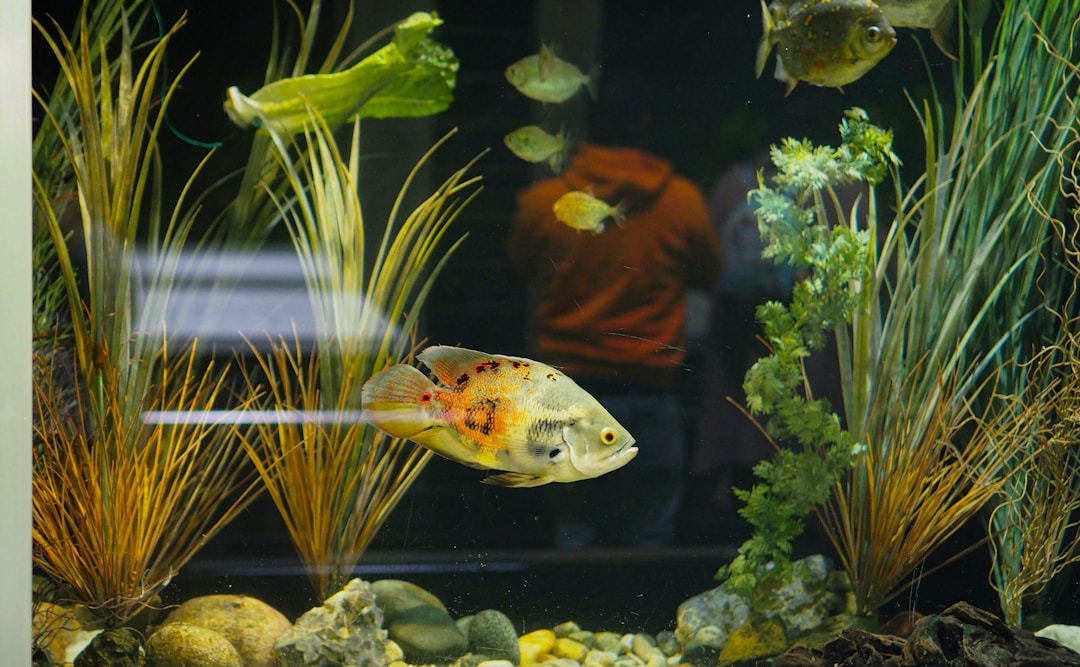
Tap water contains chlorine or chloramine to make it safe for humans. The same chemicals burn fish gills, destroy the protective slime coat, and kill beneficial bacteria in your tank. Before adding tap water to your aquarium, you must remove these chemicals first.
This article compares three working methods, explains why chlorine is dangerous, and shows you how to avoid common mistakes.
Why Chlorine Harms Fish
Chlorine is added to municipal water supplies to kill bacteria and parasites. At concentrations between 0.5 and 2.0 ppm, it is safe for humans to drink. For fish, even 0.1 ppm can cause damage.
Chlorine attacks the gill membranes directly. Fish gills are thin, highly vascularized tissues that exchange oxygen and carbon dioxide. Chlorine burns these tissues, reducing oxygen uptake and causing fish to gasp at the surface.
Chlorine also dissolves the slime coat. This mucus layer protects fish from bacterial and fungal infections. When the slime coat is damaged, fish become vulnerable to secondary infections like white spot disease or fin rot.
Beneficial bacteria in your filter are equally sensitive. Nitrifying bacteria that convert ammonia to nitrate can die off after brief chlorine exposure, leading to ammonia spikes.
Three Proven Dechlorination Methods
Method 1: Commercial Dechlorinator (Fastest and Most Reliable)
Commercial dechlorinators contain sodium thiosulfate or similar compounds that instantly bind chlorine and chloramine. This is the standard method used by most aquarium owners.
How to use it:
- Fill a clean bucket with tap water
- Add dechlorinator at the recommended dose, typically 1 mL per 100 liters
- Stir gently and wait 1 to 2 minutes
- The water is now safe to add to your tank
Pros:
- Works instantly
- Removes both chlorine and chloramine
- Safe for all fish and invertebrates
- Easy to dose correctly
Cons:
- Requires purchasing a product
- Some brands contain additional additives like slime coat enhancers
Best for: Daily water changes, emergency use, beginners
Method 2: Extended Aeration (No Chemicals Required)
If you do not have dechlorinator, you can remove chlorine by aerating the water. Chlorine is a gas that evaporates when exposed to air. This method requires time and an air pump.
How to use it:
- Fill a clean bucket or container with tap water
- Place an air stone or air pump in the container
- Run the air pump at maximum output
- Wait 48 hours before using the water
Important: 24 hours of standing water is not enough. A fish store owner confirmed that 48 hours with a strong air pump is needed to reach safe chlorine levels. Water left to sit without aeration for 24 hours still contains residual chlorine.
Pros:
- No chemicals needed
- Costs nothing if you already have an air pump
- Safe for sensitive species
Cons:
- Takes 48 hours minimum
- Does not remove chloramine effectively (chloramine is more stable)
- Requires storage space for aging water
Best for: Planned water changes when you have time to prepare
Method 3: Vitamin C Emergency Treatment (Quick Backup)
Vitamin C, also known as ascorbic acid, chemically reduces chlorine to harmless chloride ions. This method works in about 10 minutes and is useful when you need water quickly but have no commercial dechlorinator.
How to use it:
- Crush one Vitamin C tablet (500 mg) into powder
- Dissolve the powder in a small amount of warm water first
- Add the solution to your bucket of tap water
- For a 200 liter volume, use 1 tablet
- Stir and wait 10 minutes
- The water is now safe
Dosage note: Sources vary on exact amounts. A range of 0.1g to 0.5g per 200 liters has been reported. Start with the lower dose and test if you are unsure. Overdosing slightly is not harmful to fish.
Pros:
- Works in 10 minutes
- Vitamin C is inexpensive and widely available
- Safe for fish
Cons:
- Not as reliable as commercial products
- Dosage varies by water chlorine level
- Does not treat chloramine effectively
Best for: Emergency situations when dechlorinator is unavailable
Method Comparison Table
| Method | Speed | Cost | Removes Chloramine | Reliability |
|---|---|---|---|---|
| Commercial Dechlorinator | 1-2 minutes | Medium | Yes | High |
| Extended Aeration | 48 hours | Low | No | Medium |
| Vitamin C | 10 minutes | Low | No | Medium |
Chlorine vs Chloramine: Know Your Water
Some municipal water supplies use chloramine instead of chlorine. Chloramine is a combination of chlorine and ammonia. It is more stable and harder to remove.
- Chlorine evaporates with aeration and is neutralized by all three methods above
- Chloramine does not evaporate easily and requires sodium thiosulfate-based dechlorinator
To find out what your water contains, check your water utility website or call them directly. If your water contains chloramine, use a commercial dechlorinator labeled for both chlorine and chloramine removal.
Temperature Matching During Water Preparation
While preparing water, also match the temperature to your tank. Fish experience thermal shock when new water differs by more than 2 degrees Celsius from tank water.
Use a thermometer to measure both:
- Tank water temperature
- Prepared replacement water temperature
Adjust the replacement water by letting it sit in a warmer or cooler room, or by adding small amounts of warm or cold water until the temperatures match within 1 to 2 degrees.
Common Mistakes to Avoid
Relying on 24-hour standing water: Many beginners believe letting water sit for 24 hours removes chlorine. This is false. Without strong aeration, 24 hours is not enough. Test kits have shown detectable chlorine after 24 hours of standing water.
Adding water directly from the tap: One aquarist lost all his guppies after adding 20 degree Celsius tap water directly to the tank. The temperature shock combined with chlorine exposure caused immediate deaths.
Skipping temperature matching: Even properly dechlorinated water will harm fish if the temperature is wrong. Always check both chlorine and temperature before adding water.
Assuming all dechlorinators are the same: Some products only remove chlorine. Others also detoxify heavy metals or add slime coat enhancers. Read the label to know what yours does.
Summary
To dechlorinate tap water for your aquarium:
- Use commercial dechlorinator for daily water changes (1 mL per 100L, works in 1-2 minutes)
- Use extended aeration for planned changes when you have 48 hours to prepare
- Use Vitamin C for emergencies when no dechlorinator is available (1 tablet per 200L, 10 minutes)
- Always match temperature within 1 to 2 degrees
- Know whether your tap water contains chlorine or chloramine
Do not rely on letting water sit for 24 hours. That method leaves residual chlorine that harms fish gills and beneficial bacteria. Invest in a good dechlorinator and use it every time you add tap water to your tank.
Comments