Why Your Aquarium Fish Get Sick: How Stress Causes Disease and How to Prevent It
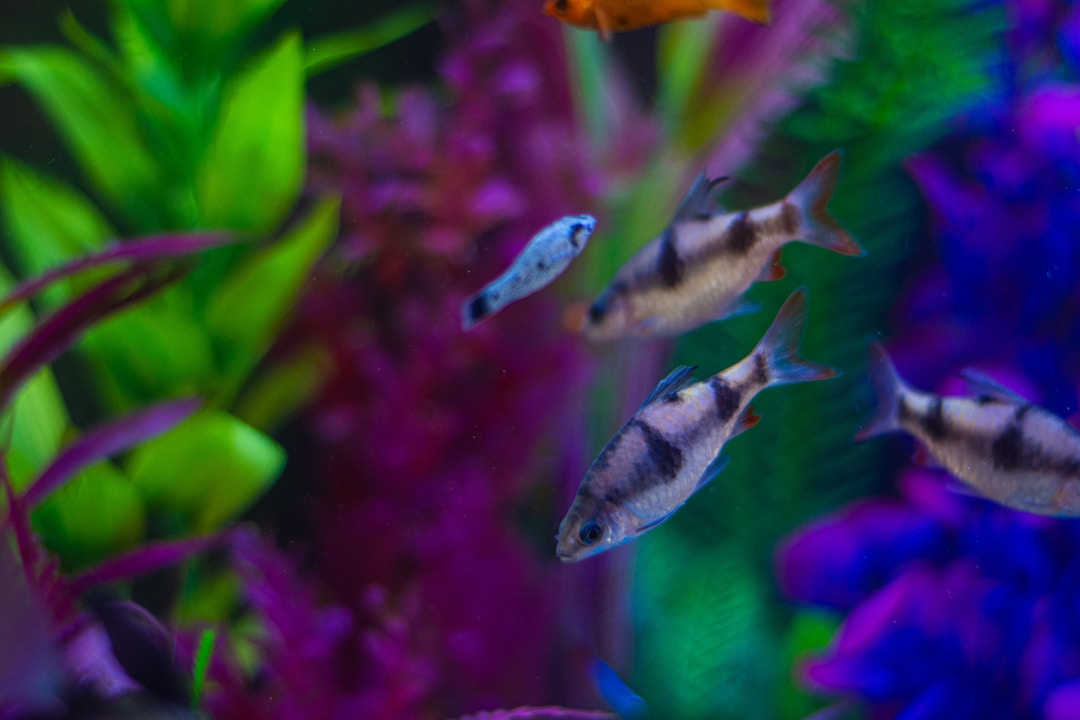
Many aquarium hobbyists believe a healthy tank should not have diseases. The reality is different. Most tanks contain low levels of potential pathogens that exist harmlessly until conditions allow them to multiply. Stress is the trigger that turns harmless bacteria and parasites into disease outbreaks.
The Stress-Disease Connection
Pathogens like bacteria, fungi, and parasites often exist in aquariums as “secondary parasites.” They live at low levels without causing visible problems. Fish immune systems keep these pathogens under control.
When fish become stressed, their immune function drops. Pathogens multiply unchecked. The fish that seemed healthy yesterday suddenly shows disease symptoms.
The key principle is simple: Avoiding stress equals preventing diseases.
How Stress Weakens Immunity
Fish immune systems respond to environmental conditions. Temperature changes, poor water quality, overcrowding, and handling all trigger physiological stress responses.
When stress hormones rise, immune cell activity decreases. White blood cells become less effective at identifying and destroying pathogens. The protective mucous layer on fish skin thins, making it easier for parasites to attach.
This explains why disease outbreaks often appear “suddenly” after events like adding new fish, temperature spikes, or missed water changes. The pathogens were present but dormant until stress weakened resistance.
Major Stress Factors Checklist
Overstocking
Too many fish in one tank increases waste production and reduces oxygen availability. Fish compete for resources constantly, creating chronic stress.
Keep stocking density appropriate for your tank size, filtration capacity, and fish species. A general guideline: one inch of fish per gallon for small species, but adjust based on activity level and waste production.
Overfeeding (Organic Pollution)
Excess food decomposes into ammonia and organic waste. This increases pathogen density because bacteria thrive on decomposing material.

Feed only what your fish can consume in two to three minutes. Remove uneaten food immediately. Watch for signs of nutrient imbalance: green water, cloudy water, or algae blooms often indicate overfeeding.
Temperature Fluctuations
Fish are ectothermic. Their body temperature matches their environment. Rapid temperature changes force fish to adjust metabolism quickly, stressing their systems.
Use a reliable heater with a thermostat. Avoid placing tanks near windows, drafts, or air conditioning vents. Check temperature daily.
Transport and Handling
Moving fish from one tank to another, netting, and water changes all involve handling stress. Fish release stress hormones during these events.
Minimize handling. Use a container to transfer fish instead of nets when possible. Add fish to new tanks slowly using the drip method to acclimate them to new water parameters.
Unsuitable Water Parameters
Each species has preferred pH, hardness, and temperature ranges. Fish kept outside these ranges experience chronic stress.
Test water parameters regularly: pH, ammonia, nitrite, nitrate, and KH. Adjust parameters slowly if needed. Sudden changes are worse than slightly unsuitable but stable conditions.
Poor Nutrition
Monotonous diets create nutritional deficiencies. Fish need variety to obtain all necessary vitamins, minerals, and amino acids.
Feed a mix of high-quality commercial foods appropriate for your species. Supplement with occasional live or frozen foods. Avoid beef heart, which is difficult for fish to digest properly.
Unsuitable Fish Combinations
Some fish species fight or bully others. Hierarchy disputes create constant stress for subordinate fish.
Research compatibility before adding species together. Watch for chasing, hiding, torn fins, or fish staying in corners. Separate incompatible fish immediately.
Toxic Substances
Chlorine, heavy metals, and medications at wrong doses all stress fish. Even small amounts in tap water can harm sensitive species.
Use water conditioners to remove chlorine and chloramine from tap water. Test for heavy metals if you suspect contamination. Follow medication dosages exactly.
Daily Observation Habits
Observation during feeding is the best early detection method. Spend a few minutes each day watching your fish for:
- Behavior changes: Fish hiding more than usual, swimming erratically, or rubbing against objects
- Color changes: Faded colors, dark patches, or unusual spots
- Appetite: Fish not eating enthusiastically or refusing food
- Swimming patterns: Fish struggling to maintain position, floating at the surface, or sinking to the bottom

Trust your senses too. A fishy odor, unusual water smell, or visible changes in water clarity all indicate problems.
Prevention Strategies
Maintain Water Quality

Biological filtration is essential. Filter bacteria convert toxic ammonia into less harmful nitrate through the nitrification process. Maintain this bacterial colony by:
- Never cleaning all filter media at once
- Using tank water to rinse filter sponges, not tap water
- Avoiding sudden changes in filter media type
Test water weekly for ammonia, nitrite, and nitrate. Keep ammonia and nitrite at zero. Manage nitrate through regular water changes.
Regular Maintenance Schedule
Spend one to two hours per week on aquarium maintenance:
- Test water parameters
- Perform partial water changes (10-20 percent weekly)
- Clean visible waste from substrate
- Check equipment operation
- Observe fish behavior during feeding
This routine prevents most disease outbreaks before they start.
Quarantine New Fish
New fish may carry diseases without showing symptoms. Quarantine all new arrivals for two weeks in a separate tank before adding them to your main aquarium.
Watch for disease symptoms during quarantine. Treat any issues before the fish enters your main tank.
Consider UV-C Systems
UV-C treatment reduces free-swimming pathogens in water without chemicals. The system kills bacteria, parasites, and algae spores as water passes through.
UV-C does not replace stress prevention. It reduces pathogen numbers, but fish still need strong immune systems to resist infection.
Common Mistakes
- Ignoring subtle behavior changes: Many hobbyists only react when fish show obvious disease symptoms. Early behavior changes often predict outbreaks.
- Overfeeding out of kindness: Fish seem happy when fed frequently. But overfeeding creates the conditions for disease.
- Skipping water changes: Clear water does not mean clean water. Test results reveal problems invisible to the eye.
Summary
Stress is the root cause of most aquarium disease outbreaks. Pathogens exist harmlessly in healthy tanks until stress weakens fish immunity. Major stress factors include overstocking, overfeeding, temperature fluctuations, handling, unsuitable water parameters, poor nutrition, incompatible fish combinations, and toxic substances.
Prevention means maintaining stable conditions, appropriate stocking, quality nutrition, and regular observation. One to two hours of weekly maintenance prevents most problems. Daily observation during feeding catches early warning signs before disease takes hold.
Comments