Nano Tank and Shrimp Water Change Guide: Frequency, Method, and Parameters
Standard advice says “20% weekly” for most tanks. That rule fails for nano tanks and shrimp setups. Small volumes and sensitive species need different schedules.
Direct Answer
Nano tanks (5 gallons or less) need 25-50% water changes twice weekly. Small volumes accumulate waste faster, and chemistry swings are more extreme.
Shrimp tanks need 10-20% changes every 2-3 days. Larger sudden changes cause molting deaths. Use drip acclimation for any change over 20%.
Unfiltered bowls (betta vases, small containers) need 50% changes twice weekly or full water replacement weekly because there is no biological filtration.
Why Nano Tanks Need Different Rules
A 5-gallon tank holds less water than a 20-gallon tank. That seems obvious, but the consequences matter:
- One fish produces the same waste in both tanks
- In 5 gallons, that waste concentrates 4 times more
- Ammonia from one feeding spike hits 4 times higher
- pH swings are 4 times larger when KH is low
Small tanks have no buffer against mistakes. A missed water change in a 55-gallon tank might raise nitrate from 20 to 25 ppm. The same missed change in a 3-gallon tank might raise nitrate from 20 to 40 ppm.
Frequent small changes keep parameters stable without shocking fish. Two 25% changes per week remove more nitrate than one 30% change, and each change is gentle enough to avoid stress.
Why Shrimp Are Sensitive
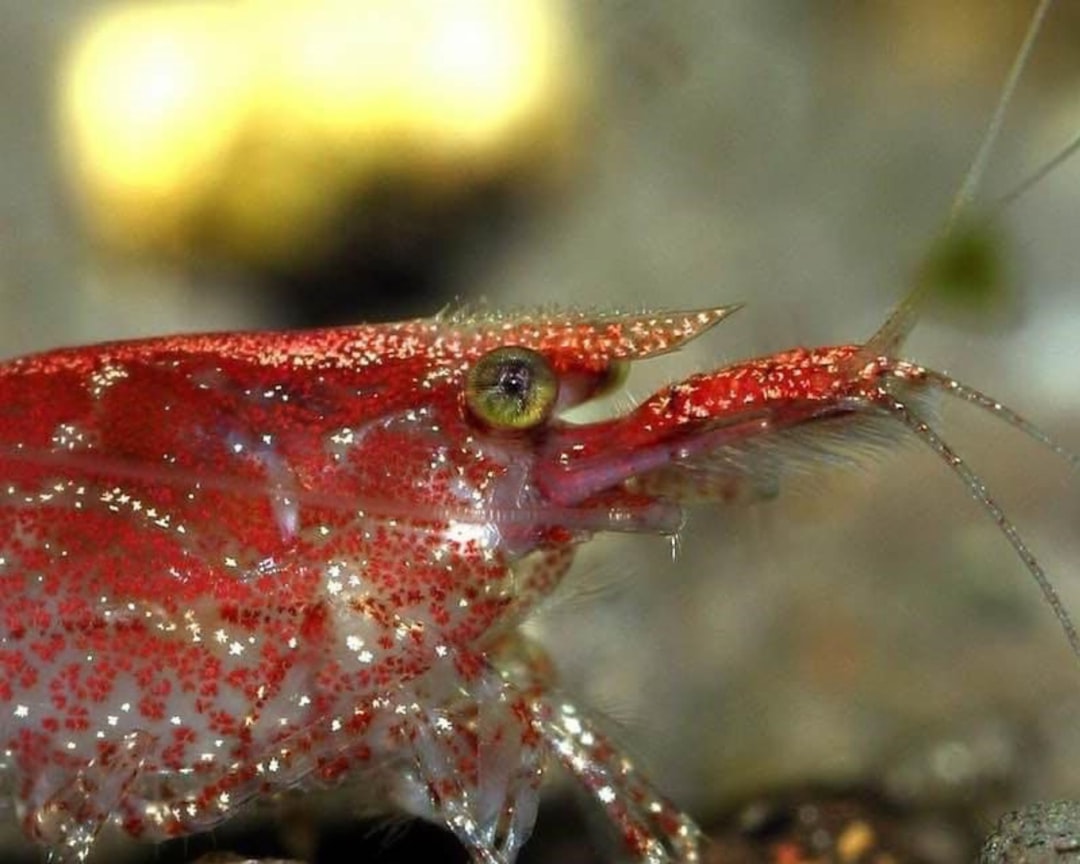
Shrimp molt regularly. They shed their old shell and grow a new one. Molting requires exact mineral balance in the water.
If Total Dissolved Solids (TDS) or General Hardness (GH) changes suddenly during a molt, the new shell forms incorrectly. Shrimp get stuck in partial molts and die.
Cherry shrimp (Neocaridina) are somewhat tolerant of parameter swings. Caridina shrimp (Crystal Red, Bee shrimp) are extremely sensitive. A 30% water change with mismatched TDS can kill Caridina shrimp within days.
Parameter Ranges for Shrimp
| Parameter | Cherry Shrimp (Neocaridina) | Caridina (Crystal/Bee) |
|---|---|---|
| GH | 4-8 dGH | 4-6 dGH |
| KH | 2-6 dKH | 0-2 dKH |
| TDS | 100-200 ppm | 80-150 ppm |
| pH | 6.5-7.5 | 5.5-6.5 |
| Temperature | 65-80°F | 62-74°F |
Cherry shrimp tolerate wider ranges. Caridina shrimp need narrow parameters. Always test TDS and GH before changing water in a shrimp tank.
Frequency by Setup Type
| Setup | Volume | Change Percentage | Frequency |
|---|---|---|---|
| Nano tank (filtered) | 2-5 gal | 25-30% | Twice weekly |
| Nano tank (filtered) | Under 2 gal | 30-50% | Twice weekly |
| Unfiltered bowl | Any | 50% | Twice weekly |
| Cherry shrimp tank | Any | 10-20% | Every 2-3 days |
| Caridina shrimp tank | Any | 10-15% | Every 2-3 days |
| Betta bowl (no filter) | Under 1 gal | 80-100% | Weekly |
For nano tanks, split your weekly volume into two sessions. Instead of one 50% change, do two 25% changes on Monday and Thursday.
For shrimp, some keepers prefer 5% daily changes instead of 10-20% every 2-3 days. Both approaches work. Choose what fits your schedule.
Drip Acclimation Method
Drip acclimation slows water replacement so shrimp adjust gradually. Use this method for any change over 20% in shrimp tanks, or for all changes in Caridina setups.
Equipment needed:
- Airline tubing
- Bucket for new water
- Valve or knot to control flow rate
Steps:
- Place bucket of new water above tank level
- Insert airline tubing into bucket
- Siphon water through tubing into tank
- Adjust flow to 1-2 drops per second
- Let drip run until target volume reached
- Remove excess tank water as needed during drip
A 10% change takes 30-60 minutes at drip rate. This gives shrimp time to adjust to any TDS difference.
Remineralizing RO Water
RO (Reverse Osmosis) water has zero minerals. Shrimp need minerals to molt. Using pure RO water causes molting failures.
Add GH+ booster to RO water before adding to the tank. Products like Salty Shrimp GH+ or Shrimp King GH+ add the right minerals for shrimp.
Process:
- Test tank GH and TDS
- Measure RO water volume needed
- Add GH+ booster according to product instructions
- Test new water GH and TDS
- Adjust until GH and TDS match tank parameters
Never add straight RO water to a shrimp tank. Always remineralize first.
Common Nano and Shrimp Mistakes
Mistake #1: Following standard 20% weekly advice
20% weekly works for 20+ gallon tanks. In a 2-gallon tank, nitrate may hit 40 ppm before your next change. Switch to twice weekly 25-30%.
Mistake #2: Large sudden changes in shrimp tanks
30% changes with tap water that has different TDS kills shrimp. Use drip acclimation and test parameters.
Mistake #3: Adding straight RO water
RO water lacks minerals. Shrimp cannot molt in mineral-free water. Remineralize with GH+ booster.
Mistake #4: Ignoring TDS
TDS measures total dissolved content. Shrimp molt based on TDS stability. Buy a TDS meter and track readings.
Mistake #5: Over-filtering shrimp tanks
Strong flow stresses shrimp. They cling to surfaces and cannot graze comfortably. Use gentle flow or sponge filters.
Summary Checklist
For nano tanks:
- Change 25-50% twice weekly
- Test ammonia and nitrate weekly
- Use dechlorinator and temperature match
- Watch for pH swings in small volumes
For shrimp tanks:
- Change 10-20% every 2-3 days
- Use drip acclimation for larger changes
- Test TDS and GH before each change
- Remineralize RO water with GH+ booster
- Match new water to tank parameters
Nano tanks and shrimp require more attention than standard setups. The reward is a thriving colony in a compact display.
Comments