How to Treat Fin Rot in Aquarium Fish: A Step-by-Step Guide
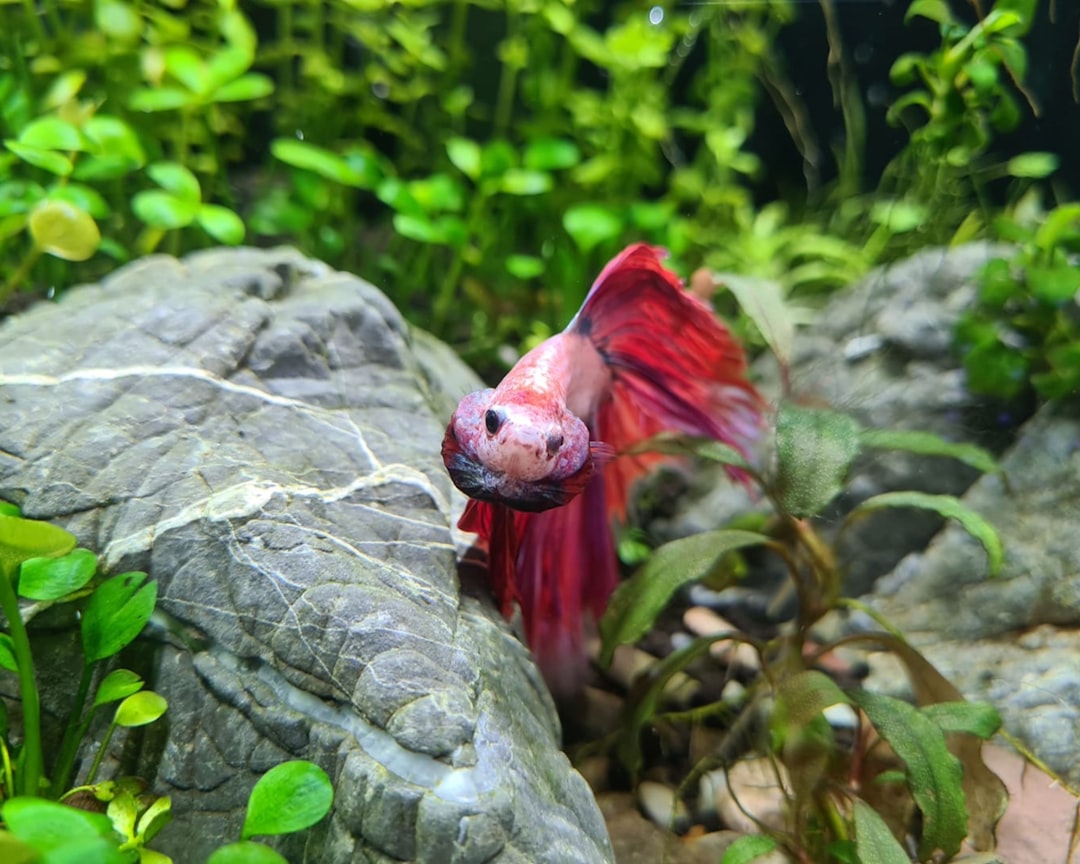
Fin rot is one of the most common bacterial infections in aquarium fish. If you have identified fin rot in your fish, you need to act quickly. The infection spreads fast and can cause permanent fin damage or death if left untreated.
The Direct Answer
To treat fin rot, follow these five steps: immediately quarantine the infected fish in a separate tank, test and improve water quality in the main tank, clean the aquarium thoroughly, apply antibiotics such as erythromycin or API Fin & Body Cure, and monitor the fish daily until symptoms stop progressing and fins begin regrowing.
This protocol works because fin rot is caused by gram-negative bacteria (Aeromonas, Pseudomonas, Vibrio) that thrive in poor water conditions and stressed fish. Quarantine prevents the bacteria from spreading to other fish. Antibiotics kill the bacteria directly, while improved water conditions remove the environment that allowed the infection to take hold.
Step 1: Quarantine the Infected Fish
Move the infected fish to a quarantine tank immediately. This prevents the bacteria from spreading to healthy fish in your main tank.
Quarantine Tank Setup
A quarantine tank does not need to be elaborate. A 5-10 gallon tank works for most small fish. Use water from your main tank to fill it so the fish experiences minimal stress during transfer.
Essential quarantine equipment:
- A heater to maintain stable temperature
- A simple sponge filter for gentle circulation
- A bare bottom or very thin substrate for easy cleaning
- No carbon filter media (carbon absorbs medication)
Transfer the fish gently using a soft net or container. Avoid chasing the fish around the tank, as stress weakens immune response and makes recovery harder.
Step 2: Test the Water
Test water quality in both the main tank and quarantine tank. Fin rot almost always starts in tanks with poor water conditions.

Test these parameters:
| Parameter | Acceptable Range | Why It Matters |
|---|---|---|
| Ammonia | 0 ppm | Ammonia burns fish tissue and stresses immune system |
| Nitrite | 0 ppm | Nitrite prevents fish from absorbing oxygen |
| Nitrate | Below 40 ppm | High nitrate indicates waste buildup |
| pH | Stable at 6.5-7.5 | pH swings stress fish |
Use a reliable test kit like the API Freshwater Master Test Kit. If ammonia or nitrite reads above zero, perform a water change immediately.
Step 3: Clean the Tank
Clean both the main tank and quarantine tank thoroughly. Bacteria multiply in decaying matter.
Cleaning actions:
- Remove uneaten food, dead plant material, and visible waste
- Vacuum the substrate to remove accumulated debris
- Wipe algae from glass and decorations
- Check and rinse filter media (do not replace biological media)

Clean the filter intake and output areas. Bacteria grow quickly in areas where debris accumulates.
Step 4: Apply Medication
Use antibiotics to kill the bacteria causing fin rot. Over-the-counter options work for most cases.
Common fin rot medications:
| Medication | Type | Notes |
|---|---|---|
| Erythromycin | Antibiotic powder | Follow package dosing instructions |
| API Fin & Body Cure | Antibiotic blend | Contains erythromycin and other antibacterial agents |
| Methylene Blue | Antifungal dye | Helps with secondary fungal infections |
Important medication rules:
- Remove carbon filter media before adding medication
- Carbon absorbs medication and reduces effectiveness
- Follow dosing instructions exactly on the package
- Do not mix multiple antibiotics without research
Erythromycin treatment typically lasts 4-5 days depending on the product. Complete the full course even if symptoms improve early. Stopping too soon can leave resistant bacteria alive.
Step 5: Monitor Recovery
Watch the fish daily for signs of improvement or side effects.
Positive signs:
- Fin edges stop receding
- White or discolored edges fade
- Fish becomes more active
- Appetite returns
Warning signs to stop medication:
- Fish gasping at surface
- Severe lethargy or inability to swim
- Red streaks or inflammation spreading beyond fin edges
If side effects occur, stop medication immediately and perform a partial water change with fresh, dechlorinated water.
Fin regrowth begins after the infection stops. Full fin recovery can take several weeks. The new fin tissue may look slightly different in color or texture than the original.
Common Treatment Mistakes
Mistake 1: Skipping quarantine
Putting medication directly into a community tank risks exposing healthy fish to antibiotics unnecessarily and can disrupt biological filtration. Quarantine protects your other fish and gives you better control over treatment.
Mistake 2: Over-medicating
Using more medication than recommended does not speed up recovery. It can harm fish kidneys and cause stress. Follow package instructions exactly.
Mistake 3: Ignoring water quality
Medication alone cannot cure fin rot if the underlying cause remains. If ammonia or nitrite stays high, the fish remains stressed and vulnerable to reinfection even after treatment ends.
Mistake 4: Stopping treatment too early
Discoloration may fade before the bacteria are fully eliminated. Complete the full medication course to prevent resistant bacteria from surviving.
Summary
Fin rot treatment requires a combination of quarantine, water quality improvement, tank cleaning, and antibiotics. The infection responds well to treatment when caught early, but permanent fin damage can occur if action is delayed.
Treatment checklist:
- Quarantine infected fish in separate tank
- Test ammonia, nitrite, nitrate, and pH
- Perform water changes if parameters are unsafe
- Clean tank and remove decaying matter
- Remove carbon filter media
- Apply erythromycin or fin rot medication
- Monitor fish daily for improvement
- Complete full medication course
- Maintain clean water during recovery
Early treatment dramatically reduces severity and recovery time. If you suspect fin rot, start these steps immediately rather than waiting to see if it worsens.
Comments