How to Identify Fin Rot Symptoms: Early Signs to Advanced Stages
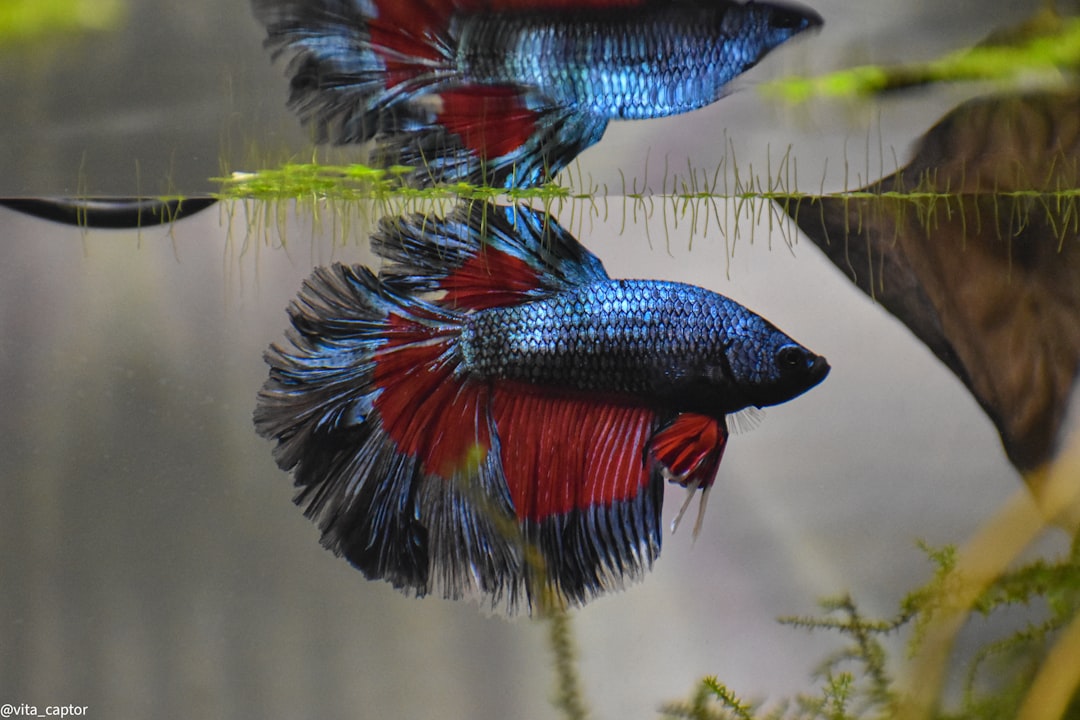
Fin rot follows a predictable pattern. The infection starts subtle and worsens over days. Recognizing the early symptoms allows you to start treatment before the disease causes permanent damage.
The Direct Answer
Early fin rot symptoms include a subtle white or semi-transparent edging on fin edges, often starting at the tail. As the disease progresses, edges become thicker with gray, black, or brown discoloration, fins fray and fall apart unevenly, and the fish becomes lethargic with loss of appetite. Advanced cases show complete fin loss with inflammation at the fin base.
Fin rot is a progressive bacterial infection caused by gram-negative bacteria (Aeromonas, Pseudomonas, Vibrio). The disease worsens over days rather than hours. Early detection gives you time to intervene before irreversible fin tissue is lost.
Early Symptoms
The first signs of fin rot are subtle and easy to miss if you are not observing your fish closely.
What to look for:
- White or semi-transparent edging along fin edges
- Most visible on the tail fin first
- May blend with natural fish coloration
- Fins appear slightly ragged at the edges
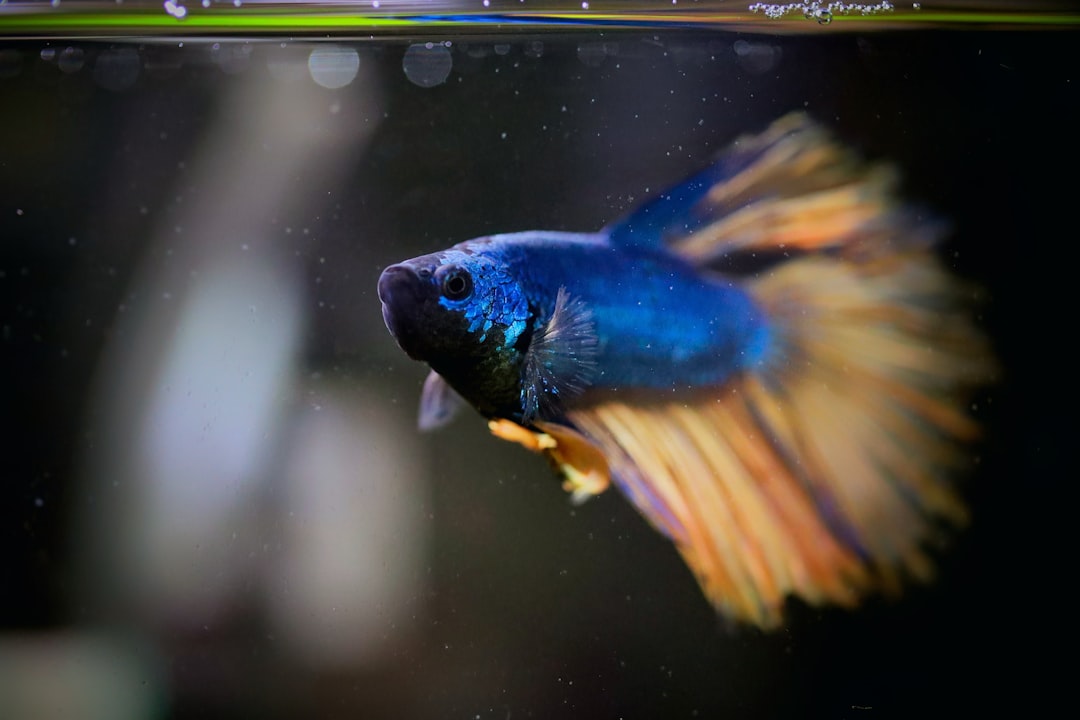
At this stage, the infection has just begun attacking fin tissue. Fish behavior usually remains normal. The fish still eats and swims actively.
How early symptoms differ from normal fin edges:
| Feature | Normal Fin Edge | Early Fin Rot |
|---|---|---|
| Edge color | Matches body color or is naturally transparent | White or milky band separate from body color |
| Edge texture | Smooth and continuous | Slightly uneven or fuzzy |
| Progression | No change over time | Edge band widens over days |
A fish can carry early fin rot for several days before major symptoms appear. Check your fish daily so you catch this stage.
Progressing Symptoms
If early symptoms go untreated, the infection spreads deeper into fin tissue.
Signs of progression:
- White edging thickens and darkens
- Color shifts to gray, black, or brown
- Fins start fraying and falling apart
- Large chunks of tissue may slough off
- Tail shortens dramatically in appearance
- Fin edges look ragged rather than smooth
The discoloration is bacterial growth visible through the skin. The fraying happens as bacteria digest fin tissue.
At this stage, behavioral symptoms often appear alongside physical changes. The fish may become lethargic, spend more time at the bottom of the tank, or show reduced appetite.
Advanced Symptoms
Advanced fin rot means the infection has consumed most or all of the fin tissue.
Advanced signs:
- Entire fin lost or nearly gone
- Only fin base remains visible
- Base of fin becomes red and inflamed
- Infection may spread to body tissue
- Fish struggles to swim normally
- Visible wounds or open sores
At this point, fin regrowth may be impossible even after successful treatment. The fish may survive, but fins will not fully restore.
Secondary infection risk:
Advanced fin rot often invites secondary infections. Columnaris (cotton-wool disease) can develop on frayed edges where tissue is damaged. This fungal infection makes affected areas look puffy, white, and malformed.
If you see white fuzzy patches growing on damaged fin edges, the fish has both fin rot and a fungal infection. Treatment must address both.
Behavioral Symptoms
Fin rot affects fish behavior as the body fights infection.
Common behavioral changes:
- Lethargy and reduced swimming activity
- Resting at tank bottom even for non-bottom-dwelling species
- Hiding more than usual
- Reduced or absent appetite
- Avoiding other fish or being chased away
Behavioral symptoms often appear after physical symptoms are visible. However, some fish show behavioral changes before fin damage is obvious.
Watch for fish that suddenly become quiet or stop eating. Check their fins closely when you notice behavior changes.
Fin Rot vs Other Problems
Not all fin damage is fin rot. Understanding the differences helps you choose the right response.
Fin Rot vs Fin-Nipping
Fin-nipping signs:
- Clean, straight cuts or missing chunks
- Bite-shaped wounds rather than ragged edges
- No discoloration at wound edges
- Multiple fish with torn fins (if aggressive fish present)
- Only affects fish with long, flowing fins
Fin-nipping is physical damage from aggressive tank mates. The wounds do not have bacterial discoloration. Treatment involves separating the aggressive fish rather than using antibiotics.
Fin Rot vs Normal Wear
Normal fin wear:
- Fins may thin slightly with age
- No white or dark edge band
- No rapid progression
- Fish behavior remains normal
Some fish develop thin fins over time, especially older fish. This is not a disease. The key difference is that normal wear does not worsen rapidly.
Fin Rot vs Fungal Infection
Fungal infection (Columnaris):
- White, cotton-like fluffy patches
- Puffy or raised appearance
- Often grows on existing wounds
- Does not follow fin edge pattern
Fin rot bacteria create flat discoloration along edges. Fungal infections create raised, fluffy patches. Both can occur together.
When to Start Treatment
Start treatment immediately when you see any fin rot symptom, even early white edges.
Treatment thresholds:
| Symptom Stage | Action |
|---|---|
| Early (white edges only) | Start treatment immediately, high recovery chance |
| Progressing (discoloration, fraying) | Start treatment now, moderate recovery chance |
| Advanced (fin loss, body infection) | Start treatment urgently, partial recovery possible |
Do not wait to see if symptoms worsen. Fin rot progresses over days, not weeks. Every day of delay increases tissue damage and reduces the chance of full fin regrowth.
Summary
Fin rot symptoms follow a clear progression from white edges to discoloration, fraying, and fin loss. Early detection gives you the best chance of complete recovery.
Symptom progression quick reference:
| Stage | Physical Signs | Behavioral Signs | Urgency |
|---|---|---|---|
| Early | White/translucent fin edges | Usually none | Treat immediately |
| Progressing | Dark edges, fraying, chunk loss | Lethargy, appetite loss | Treat urgently |
| Advanced | Complete fin loss, inflammation | Weakness, hiding | Critical |
Check your fish daily. Look specifically at fin edges, especially the tail. Catching the disease at the early stage means treatment works faster and fins can fully regrow.
Comments