How to Prevent Fin Rot: Causes and Prevention Strategies for Aquarium Fish
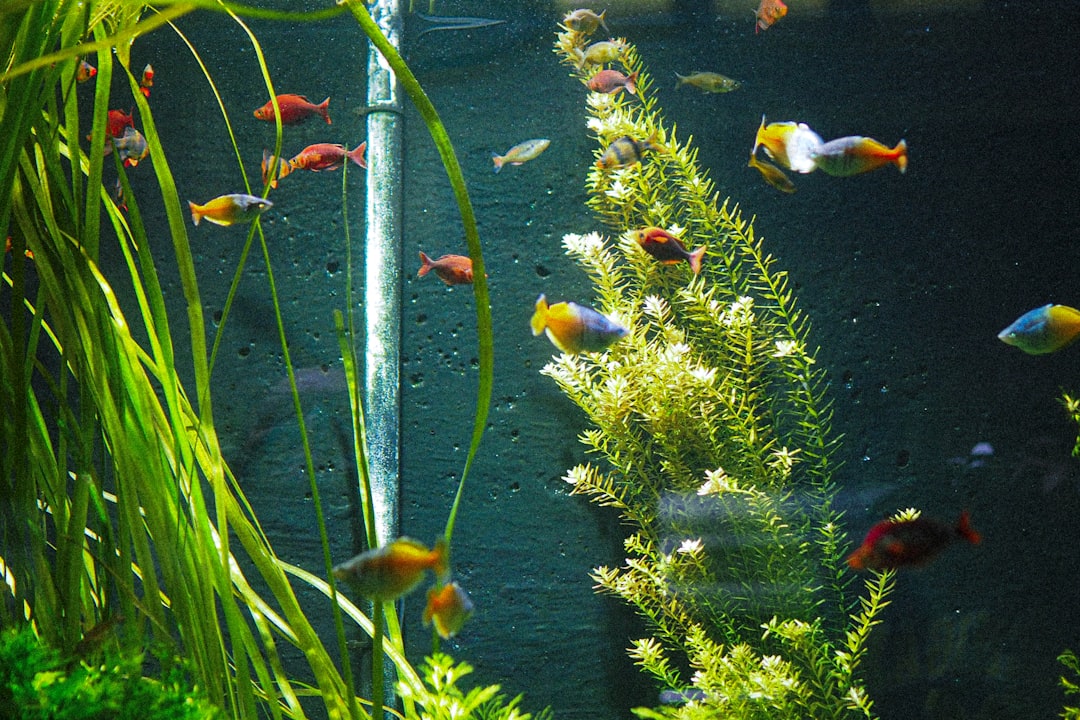
Fin rot is common but preventable. Understanding what causes the disease lets you stop it before it starts. Prevention is easier than treatment and saves your fish from permanent damage.
The Direct Answer
To prevent fin rot, maintain clean water through weekly testing and biweekly 25% water changes, avoid overcrowding, feed appropriate amounts without leftovers, remove aggressive fin-nipping fish from community tanks, and keep temperature stable within species requirements. These measures eliminate the poor conditions and stress that allow gram-negative bacteria to infect fish fins.
Fin rot is caused by bacteria (Aeromonas, Pseudomonas, Vibrio) that flourish in dirty water and stressed fish. Healthy fish in clean water can resist these bacteria naturally. Prevention works by maintaining conditions that keep fish immune systems strong.
Root Cause 1: Poor Water Quality
Poor water conditions are the most common cause of fin rot. Waste buildup creates the environment where fin rot bacteria multiply.
How poor water leads to fin rot:
Fish waste contains ammonia. In a healthy tank, beneficial bacteria convert ammonia to nitrite and then to nitrate. When this process fails or waste exceeds bacteria capacity, ammonia and nitrite levels rise.

Ammonia burns fish tissue and stresses the immune system. Fin rot bacteria thrive in high-ammonia water. Stressed fish cannot fight off infection.
Decaying matter adds to the problem:
Leftover food, dying plants, and dead fish release additional ammonia. Bacteria grow on decomposing material, creating concentrated infection sources.
Prevention actions for water quality:
| Action | Frequency | Purpose |
|---|---|---|
| Test ammonia, nitrite, nitrate | Weekly | Detect water quality problems early |
| Water change (25%) | Biweekly | Remove accumulated waste and nitrate |
| Remove uneaten food | After each feeding | Eliminate decomposing matter |
| Vacuum substrate | Monthly | Remove waste trapped in gravel |
| Check filter flow | Weekly | Ensure filtration works properly |
A well-maintained tank should show zero ammonia, zero nitrite, and nitrate below 40 ppm. Test your water weekly so you catch problems before fish show symptoms.
Root Cause 2: Stress
Stress weakens fish immune response. Even in clean water, stressed fish are vulnerable to fin rot.
Common stress sources:
- Overcrowding: Too many fish in too small a tank increases competition, waste, and disease spread
- Temperature fluctuations: Rapid temperature changes shock fish systems
- Excessive handling: Moving fish frequently or netting roughly causes stress
- Frequent tank moves: Fish need stable environments to feel secure
- Low temperature: Fish kept below their preferred range have slower immune response
Prevention actions for stress:
| Action | Implementation |
|---|---|
| Calculate stocking density | Research species requirements before adding fish |
| Use proper heater | Maintain stable temperature with quality heater |
| Minimize handling | Only net fish when necessary, use gentle technique |
| Acclimate new fish properly | Float bag, then gradually mix tank water before release |
| Quarantine new fish | Keep new arrivals separate for 2-4 weeks |
Overcrowding is particularly dangerous. Each fish adds waste to the water. Each fish competes for resources. The more fish you add beyond tank capacity, the faster water quality declines and stress increases.
Root Cause 3: Physical Damage (Fin-Nipping)
Physical damage creates entry points for bacteria. Long-finned fish are common targets for aggressive tank mates.
How fin-nipping leads to fin rot:
Fin-nipping creates wounds on fins. Bacteria enter through these wounds. The damaged tissue cannot resist infection. In a dirty tank, the wounds become infected rapidly.
Fish with long, flowing fins (bettas, fancy goldfish, guppies) cannot escape aggressive fish quickly. They suffer repeated attacks that accumulate damage.
Prevention actions for physical damage:
| Action | Implementation |
|---|---|
| Research compatibility | Never keep fin-nippers with long-finned fish |
| Observe tank behavior | Watch for chasing, biting, or cornering |
| Separate aggressive fish | Remove bullies to prevent ongoing damage |
| Provide adequate space | More swimming room reduces aggressive encounters |
| Add hiding spots | Plants and decorations give fish escape routes |
Known fin-nipping species:
- Tiger barbs
- Serpae tetras
- Some cichlids
- Male guppies (toward each other)
These fish should not share tanks with bettas, fancy goldfish, or other slow-moving fish with long fins. Keep incompatible species in separate tanks.
Weekly Maintenance Checklist
Prevention requires consistent maintenance. A weekly routine keeps water quality stable and stress low.
Weekly tasks:
- Test ammonia, nitrite, nitrate, pH
- Check temperature is stable
- Observe all fish for normal behavior
- Remove uneaten food after feeding
- Top off evaporated water
Biweekly tasks:
- Perform 25% water change
- Clean glass algae
- Rinse filter media if flow is reduced
Monthly tasks:
- Vacuum substrate
- Check equipment (heater, filter, lights)
- Trim dying plant leaves
Consistent routine prevents the gradual decline that leads to disease. Skipping maintenance allows waste to accumulate until a crisis occurs.

Tank Setup for Prevention
Proper tank setup from the start prevents most fin rot causes.
Tank size:
Choose a tank large enough for your fish species. Larger tanks dilute waste better, provide more swimming space, and reduce aggression.
| Fish Type | Minimum Tank Size |
|---|---|
| Betta (single) | 5 gallons |
| Small schooling fish | 20 gallons |
| Fancy goldfish | 20 gallons per fish |
| Community tank | 20+ gallons depending on stock |
Stocking density:
Avoid adding too many fish. Research each species’ adult size and space requirements. The old rule of “one inch of fish per gallon” is unreliable. Use species-specific guidance.
Feeding discipline:
Feed only what fish can eat in 2-3 minutes. Remove any leftover food immediately. Overfeeding is the fastest way to create water quality problems.
Common Prevention Mistakes
Mistake 1: Skipping water tests
Waiting until fish look sick means problems have already developed. Weekly testing catches ammonia or nitrite spikes before they harm fish.
Mistake 2: Overfeeding
Extra food does not mean healthier fish. Uneaten food rots and releases ammonia. Fish stomachs are small. Feed appropriate amounts.
Mistake 3: Adding incompatible fish
Long-finned fish and fin-nippers cannot coexist safely. Research compatibility before buying fish. If you see fin-nipping, separate the fish immediately.
Mistake 4: Ignoring temperature
Temperature swings stress fish. Use a reliable heater and check it regularly. Match heater wattage to tank size for stable performance.
Summary
Fin rot prevention comes from three principles: maintain clean water, minimize stress, and prevent physical damage. Consistent routine and proper tank setup keep these principles working.
Prevention quick reference:
| Prevention Area | Key Actions |
|---|---|
| Water quality | Weekly tests, biweekly water changes, remove uneaten food |
| Stress reduction | Avoid overcrowding, stable temperature, gentle handling |
| Physical damage | Separate fin-nippers, adequate space, compatible species |
Prevention is not difficult. It requires attention and consistency. The effort prevents disease, saves treatment costs, and keeps fish healthy and beautiful.
Comments