How to Identify and Treat Dropsy in Aquarium Fish: Symptoms, Causes, and Recovery
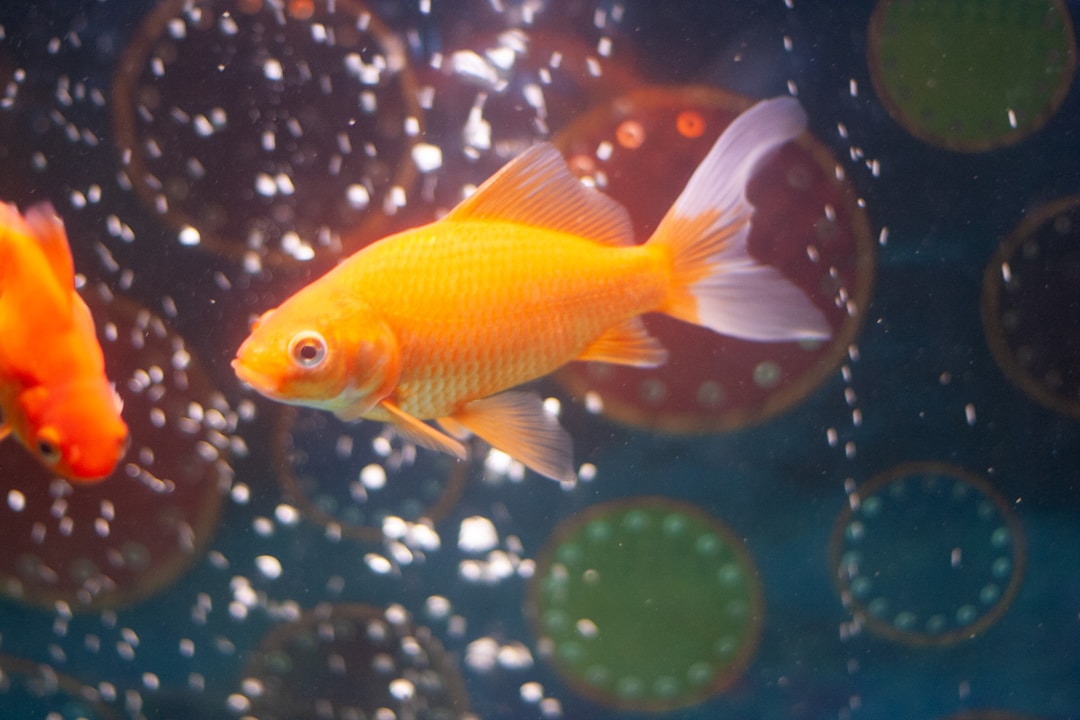
Dropsy is not a single disease. It is a visible symptom cluster that signals serious internal bacterial infection. If your fish shows a bloated belly with protruding scales, you need to act immediately.
What Dropsy Actually Means
Dropsy describes the physical appearance of a fish with fluid accumulation in its body cavity and scale pockets. The underlying cause is bacterial infection, often involving Aeromonas or Pseudomonas species.
The infection typically starts in the intestines, then spreads to other organs. When the kidneys fail, the fish cannot excrete fluid properly. Fluid builds up inside the body, pushing scales outward and creating the characteristic “pinecone” appearance.
Symptoms Checklist
Watch for any of these signs:
- Protruding scales: Scales stand away from the body like a pinecone. This is the most recognizable symptom.
- Bloated belly: The abdomen swells noticeably, often asymmetrically.
- Protruding eyes: Eyes bulge outward beyond normal position.
- Puffed-out anus: The vent area becomes swollen and visible.
- Slimy white fish waste: Fish excrete thick, slimy white threads instead of normal waste.
- Abnormal swimming: Fish may struggle to maintain normal position if swimming bladder is also affected.
Do not wait for all symptoms to appear. If you notice even one of these signs, start treatment immediately.
Understanding the Cause
The bacterial infection follows a progression:
- Bacteria infect the intestines through contaminated food or poor water conditions.
- The intestinal mucous membrane breaks down, producing white slime threads in fish waste.
- Bacteria penetrate deeper into the body, reaching other organs.
- Kidney function fails, causing fluid retention.
- Fluid pushes into scale pockets and body cavity, creating visible swelling.
This explains why dropsy often appears “suddenly.” The internal infection was progressing silently until organ damage became severe enough to show external symptoms.
Treatment Protocol
Dropsy requires antibiotic treatment. Follow these steps:
- Move the fish to a quarantine tank: Treating in the main tank risks spreading infection to other fish and exposes healthy fish to unnecessary medication.
- Start antibiotics immediately: Use medications containing antibiotics effective against gram-negative bacteria. Options include sera baktopur direct or sera bakto Tabs, applied according to package directions.
- Maintain excellent water quality: Test ammonia and nitrite daily. Poor water conditions reduce treatment effectiveness and further stress the fish.
- Add vitamin supplements: Products like sera fishtamin support the immune system during recovery.
- Monitor for improvement: Watch for reduced swelling and normal waste excretion.
Continue treatment for the full recommended duration, even if symptoms improve early.
When Treatment Is Futile
Dropsy has a low survival rate because organ damage is often irreversible by the time symptoms appear. If the fish shows:
- Severe pinecone scales covering most of the body
- No response to antibiotics after several days
- Complete loss of appetite
- Difficulty swimming or breathing
The fish may be beyond recovery. Euthanasia is sometimes the more humane option in advanced cases.
Common Mistakes
- Using salt baths alone: Salt helps with osmotic balance but does not kill the internal bacterial infection. Antibiotics are required.
- Waiting for “full” symptoms: Many hobbyists delay treatment until the fish shows the complete symptom set. By then, organ damage is often irreversible.
- Treating in the main tank: This risks infecting other fish and complicates dosage calculations based on tank volume.
Prevention
Dropsy rarely occurs in well-maintained aquariums. Prevent it by:
- Keeping water quality high: Test regularly for ammonia and nitrite. Both zero is the goal.
- Feeding quality food: Avoid monotonous diets and never use beef heart, which is difficult for fish to digest properly.
- Reducing stress: Overcrowding, temperature fluctuations, and poor nutrition all weaken immune function.
- Observing daily: Watch fish during feeding for early signs of illness.
Summary
Dropsy signals advanced bacterial infection affecting fish kidneys. Look for protruding scales, bloated belly, protruding eyes, or slimy white waste. Start antibiotic treatment in a quarantine tank immediately. Early intervention has the best chance of success. Advanced cases where organ damage is severe often cannot be saved.
Comments