When Should I Test Aquarium Water Quality: Signs and Troubleshooting Guide
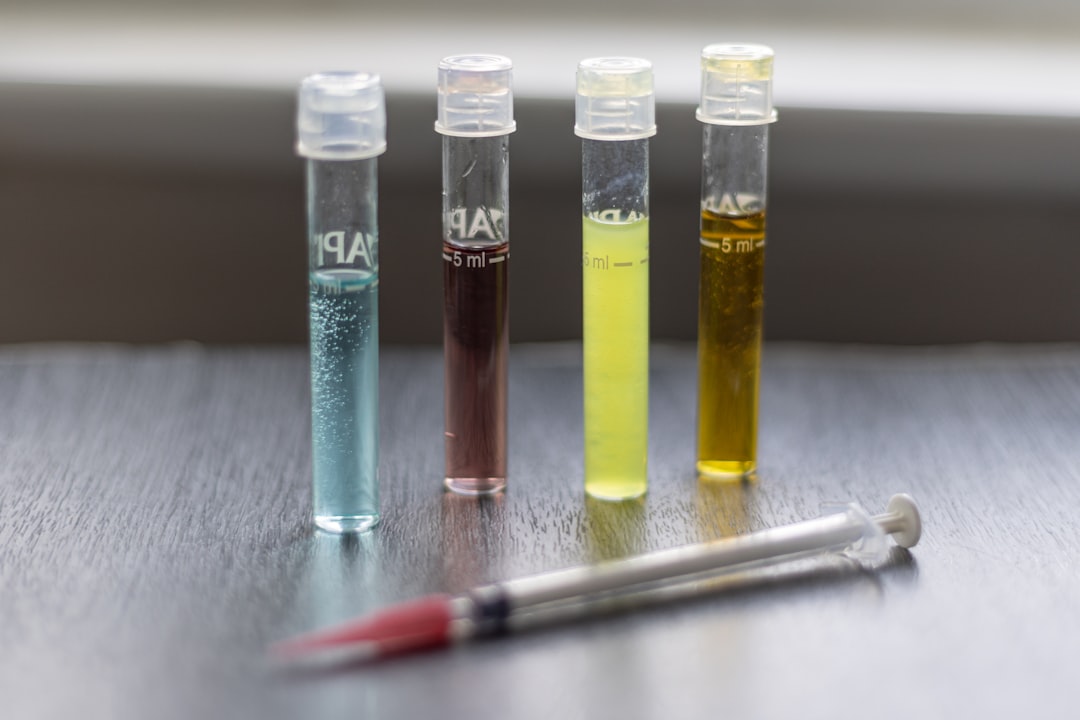
Fish cannot tell you when the water is bad. They show stress through behavior changes. Knowing these signs lets you catch problems before fish die. Here is when to test your aquarium water.
The Short Answer
Test water immediately when fish show behavior changes: gasping at the surface, hiding at the bottom, refusing food, or swimming erratically. Also test when water becomes cloudy, smells unusual, or after any fish death. Preventive testing every 1-2 weeks catches problems before symptoms appear.
Why Behavioral Signs Matter
Fish communicate stress through behavior. They have no other way to signal problems. Gasping at the surface suggests oxygen depletion or ammonia poisoning. Hiding at the bottom can indicate nitrite toxicity. Refusing food often precedes visible illness.
Beginners often delay testing until fish die. This wastes time. Test immediately when behavior changes. Early detection gives you time to fix the problem.
Physical Symptoms That Trigger Testing
Fish Gasping at Surface
When fish swim to the surface and gulp air, two problems are likely:
- Low oxygen: Warm water holds less oxygen. Overstocked tanks or failing circulation cause this.
- Ammonia spike: Ammonia burns gills, making breathing difficult. Fish seek surface air because oxygen concentration is slightly higher there.
Test ammonia first. If ammonia is zero, check temperature and aeration.
Fish Sluggish at Bottom
Fish resting motionless at the bottom, especially in corners, suggests:
- Nitrite poisoning: Nitrite interferes with oxygen transport in blood. Fish become lethargic and stay low.
- pH crash: Extremely low pH slows fish metabolism.
- Temperature too cold: Slow metabolism from cold water.
Test nitrite and pH immediately. Nitrite is the most urgent—elevated levels cause permanent gill damage.
Fish Refusing Food
When fish ignore food they normally eat eagerly, test water immediately. Possible causes:
- Ammonia or nitrite elevation
- Temperature extremes
- pH outside normal range
- Illness onset
Refusal of food often appears 1-2 days before visible symptoms like spots, swelling, or fin damage.
Sudden Behavior Changes
Any abrupt change in normal behavior triggers testing:
- Normally active fish hiding
- Peaceful fish chasing others
- Fish jumping or darting
- Fish swimming sideways or upside-down
Test ammonia, nitrite, nitrate, and pH. Behavior changes usually precede physical symptoms.
Water Appearance Symptoms
Cloudy Water
Cloudy water often signals a bacterial bloom or ammonia surge. New tanks frequently go cloudy during cycling when bacterial populations shift. Established tanks may cloud after overfeeding, dead fish, or filter disruption.

Test ammonia and nitrite immediately. If both are zero, test nitrate—high nitrate with organic buildup can trigger bacterial blooms.
Unusual Smell
Healthy aquariums have little odor. Strong smells indicate problems:
- Fishy or sour smell: Decaying organic matter, dead fish, or bacterial bloom
- Ammonia smell: Very high ammonia levels (rare in established tanks)
- Sulfur or rotten egg smell: Anaerobic bacteria in deep substrate or stagnant filter areas

Test ammonia, nitrite, and nitrate. Smells often appear before visible cloudiness.
Preventive Testing Schedule
Do not wait for symptoms. Preventive testing catches gradual changes:
- Weekly: Test ammonia, nitrite, nitrate for new tanks (under 3 months cycled)
- Biweekly: Test nitrate and pH for established, stable tanks
- Monthly: Full panel (ammonia, nitrite, nitrate, pH, alkalinity) for long-term monitoring
Record results in a log. Trends reveal problems before they become urgent.
What Test Kits Measure

Ammonia
Safe level: 0 ppm. Any detectable ammonia is dangerous.
Ammonia comes from fish waste, uneaten food, and decaying plants. In a cycled tank, beneficial bacteria convert ammonia to nitrite within hours. Detectable ammonia means the bacterial colony is overwhelmed or disrupted.
Nitrite
Safe level: 0 ppm. Any detectable nitrite is dangerous.
Nitrite is the intermediate product in the nitrogen cycle. Another group of bacteria converts nitrite to nitrate. Nitrite toxicity causes “brown blood disease”—it blocks oxygen transport.
Nitrate
Safe level: Below 20-40 ppm.
Nitrate is the end product of the nitrogen cycle. It accumulates until removed by water changes. Fish tolerate higher nitrate than ammonia or nitrite, but long-term exposure above 40 ppm stresses immune systems.
pH
Normal range: 6.5-8.0 for most community tanks. Species-specific requirements vary.
pH stability matters more than exact value. A stable pH at 7.5 is better than pH swinging between 6.5 and 7.5. Test pH weekly to monitor stability.
Alkalinity (KH)
Alkalinity buffers pH against changes. Low alkalinity (under 4 dKH) allows pH to crash suddenly. Test alkalinity monthly or when pH drops unexpectedly.
Test Kit Types
Test Strips
Strips are quick but less accurate. They give approximate readings suitable for:
- Quick checks when symptoms appear
- Preventive monitoring in stable tanks
Strips cannot detect low levels of ammonia or nitrite accurately. Use liquid kits for precise readings when levels matter.
Liquid Test Kits
Liquid kits (API, Salifert, others) provide precise readings. Use them:
- When symptoms appear
- For new tank cycling
- When any value is near dangerous levels
Liquid kits take longer but give reliable numbers. Most serious aquarists use liquid kits for ammonia, nitrite, and nitrate.
When to Contact a Veterinarian
Water quality testing cannot diagnose fish disease. Some symptoms require veterinary attention, not water testing:

| Symptom | Water Testing? | Veterinary Help? |
|---|---|---|
| Gasping at surface | Yes—test first | If water parameters are normal |
| Swollen abdomen (dropsy) | Yes—test first | Yes—likely infection |
| White spots (ich) | Yes—test first | Yes—parasite treatment needed |
| Red streaks in fins | Yes—test first | If parameters normal, bacterial infection |
| Flashing (scratching on objects) | Yes—test first | If parameters normal, parasites |
| Clamped fins | Yes—test first | If parameters normal, stress or infection |
| Visible wounds, lesions | Yes—test first | Yes—antibacterial treatment |
Always test water first. Many disease symptoms appear when water quality is poor. Fix water parameters before treating disease—medications work poorly in bad water.
If water parameters are normal but symptoms persist, contact a fish veterinarian or research disease-specific treatments.
Testing Checklist
Use this checklist to know when to test:
Test immediately:
- Fish gasping at surface
- Fish hiding at bottom
- Fish refusing food
- Sudden behavior changes
- Cloudy water
- Unusual smell
- After fish death
Test weekly/biweekly:
- New tanks (under 3 months)
- After medication treatment
- After filter cleaning
- After adding new fish
- Established tanks for preventive monitoring
Record and track:
- Date and time
- All parameter values
- Any changes (feeding, cleaning, fish added)
- Actions taken if values abnormal
Summary
Test water when behavior changes or water looks or smells wrong. Behavioral signs—gasping, hiding, refusing food—are early warnings. Cloudy water and unusual odors indicate bacterial blooms or ammonia spikes. Preventive testing every 1-2 weeks catches gradual parameter drift. Use liquid kits for accurate ammonia, nitrite, and nitrate readings. Test first when disease symptoms appear; poor water quality causes many symptoms that look like illness. If parameters are normal and symptoms persist, seek veterinary guidance.
Comments