How Often Should You Change Aquarium Water? (It Depends on Your Tank Type)
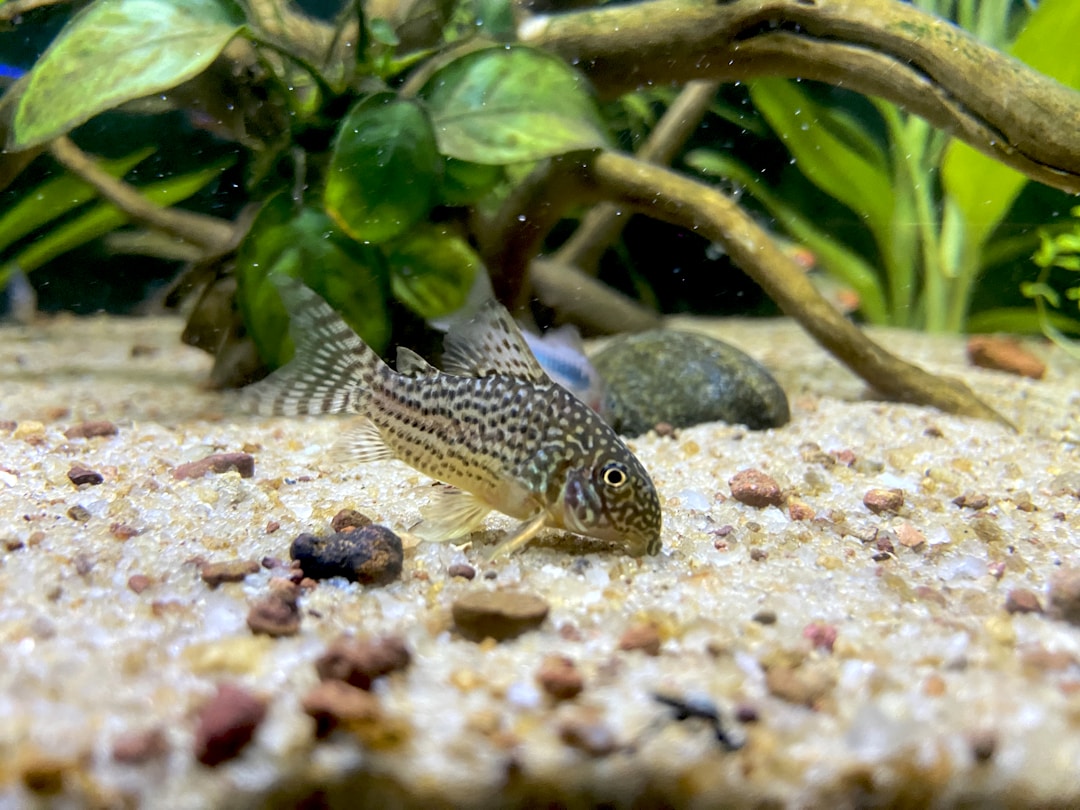
Many beginners follow the “weekly one-third water change” rule without understanding why. Some end up with stressed fish after every change. Others wait too long and face cloudy water or sick fish. The truth is simpler: your water change schedule depends on your tank, not a calendar.
The Direct Answer
There is no universal weekly water change rule. Your water change frequency depends on three factors:
- Fish load (number and size of fish)
- Ecosystem (plants and nitrifying bacteria)
- Filtration strength
Practical schedules by tank type:
- Planted ecosystem tank: 15-20 days
- Small tank with few fish: 10-14 days
- Bare tank with large fish: 5-7 days
Why This Works
Fish produce waste constantly. That waste breaks down through the nitrogen cycle: ammonia becomes nitrite, then nitrate. Nitrate accumulates over time. Water changes remove nitrate and other dissolved pollutants.
But different tanks produce waste at different rates. A planted tank with six small tetras produces far less nitrate than a bare tank with two large goldfish. Blindly following a weekly schedule ignores this reality.
Factor 1: Fish Load
Fish load is the single biggest factor. More fish means more waste. Larger fish produce more waste than smaller fish of the same count.
How to estimate your fish load:
| Tank Size | Light Load | Medium Load | Heavy Load |
|---|---|---|---|
| 10 gallon | 2-3 small fish | 4-6 small fish | 8+ small fish or 1 goldfish |
| 20 gallon | 5-8 small fish | 10-15 small fish | 20+ small fish or 2-3 medium fish |
| 40 gallon | 10-15 small fish | 20-30 small fish | 40+ small fish or 5-6 medium fish |
Light-load tanks can safely go 10-14 days between changes. Heavy-load tanks need weekly changes at minimum.
Factor 2: Ecosystem

Plants and bacteria work together to process waste. Plants absorb nitrate directly, reducing the burden on your water change schedule. Nitrifying bacteria in your filter convert ammonia to nitrate, keeping the water safe between changes.
A well-planted tank with established bacteria can maintain stable water quality for 15-20 days. The plants act as a natural nitrate sponge.

Signs of a healthy ecosystem:
- Dense plant growth (at least 30% of tank volume)
- Clear water without odor
- Nitrate stays below 20mg/L between changes
- Fish are active and colorful
Factor 3: Filtration
Stronger filtration extends stable water periods. More filter media means more surface area for nitrifying bacteria. Higher flow rates process waste faster.
Filter strength indicators:
- Filter rated for 3-5x tank volume per hour = strong
- Filter rated for 1-2x tank volume per hour = adequate
- No filter or underpowered filter = weak
Strong filtration alone cannot replace water changes. Nitrate still accumulates. But strong filters let you extend intervals safely.
Three Common Tank Types
Planted Ecosystem Tank (15-20 days)

This setup has:
- Dense live plants (30%+ coverage)
- Medium fish load
- Strong filtration
- Established nitrogen cycle
Water stays clear and odorless for weeks. Test nitrate before changing. If nitrate is below 30mg/L, wait a few more days.
Small Tank with Few Fish (10-14 days)
This setup has:
- Light fish load (2-4 small fish)
- Some plants or none
- Adequate filtration
Pollution rate is slow but steady. Weekly changes work fine. Bi-weekly changes work if you test nitrate.
Bare Tank with Large Fish (5-7 days)
This setup has:
- Heavy fish load
- No plants
- Strong filtration required
Large fish like goldfish or cichlids produce massive waste. Weekly 30-50% changes are mandatory. Skipping changes causes rapid ammonia spikes.
How to Find Your Schedule
Follow this simple process:
- Test nitrate before your next planned water change
- Check fish behavior (active, eating, colorful?)
- Look at water clarity (clear, no odor?)
- Adjust based on results:
- Nitrate below 20mg/L, fish active → extend interval
- Nitrate above 40mg/L, fish sluggish → shorten interval
Do this for 3-4 cycles. Your tank will reveal its natural schedule.
Common Mistakes
Mistake 1: Changing water on a rigid schedule regardless of conditions
If water is clear, nitrate is low, and fish are healthy, changing water adds unnecessary stress.
Mistake 2: Waiting until problems appear
Some beginners skip changes entirely until water turns cloudy or fish stop eating. This invites disease.
Mistake 3: Assuming all tanks follow the same rule
A 10-gallon betta tank and a 55-gallon goldfish tank have completely different needs.
Quick Checklist
Before setting your schedule, check:
- Fish load: count and size
- Plants: coverage percentage
- Filter: rated for tank size
- Nitrate level: test kit result
- Fish behavior: active or sluggish?
Summary
Water change frequency is not a fixed rule. It is a response to your tank’s specific conditions. Read your tank through testing and observation. Adjust your schedule based on what you see, not what a generic guide says.
Planted tanks with light loads can go weeks between changes. Bare tanks with heavy loads need weekly attention. The correct schedule is the one that keeps nitrate below 40mg/L and fish healthy.
Comments