How to Establish Nitrifying Bacteria Quickly in a New Aquarium: 3 Proven Methods
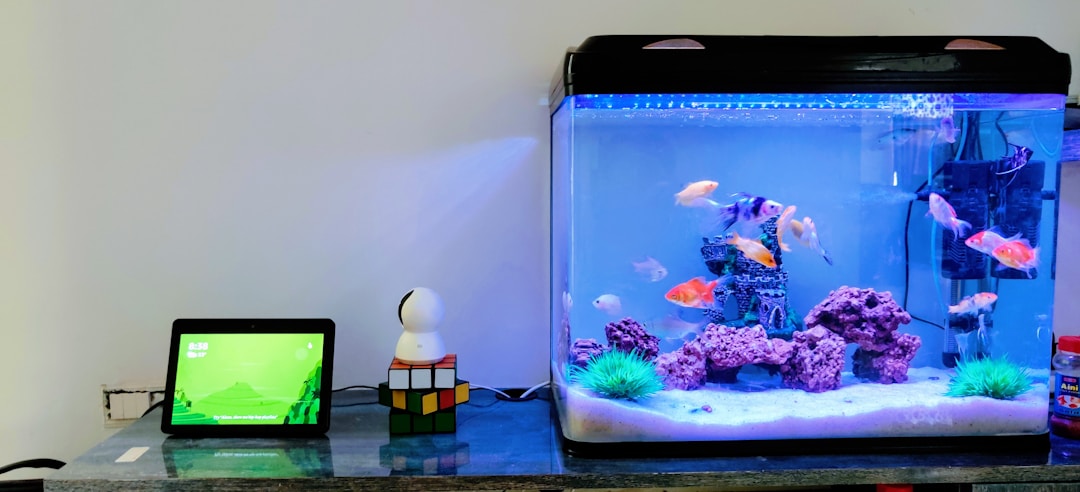
A new aquarium takes about four weeks to establish enough nitrifying bacteria to safely house fish. Many beginners want to shorten this waiting period. You can accelerate cycling, but you cannot skip it entirely. Adding fish before bacteria are ready causes ammonia spikes and dead fish.
Here are three proven methods to speed up bacterial establishment, plus how to verify completion.
Why Acceleration Matters
Without intervention, a new tank follows this timeline:
- Week 1-2: Ammonia rises from decomposing organic matter
- Week 2-3: Nitrosomonas appear, converting ammonia to nitrite
- Week 3-4: Nitrobacter appear, converting nitrite to nitrate
- Week 4+: Ammonia and nitrite both read zero—the cycle is complete

This wait frustrates new hobbyists. Acceleration methods introduce bacteria or stimulate reproduction, cutting time from four weeks to one or two.
Method 1: Transfer Established Filter Media (Most Reliable)

The fastest way to establish bacteria is borrowing them from a healthy, established tank.
How it works:
- Old filter sponge, ceramic rings, bio balls, and substrate contain millions of live bacteria
- Moving these materials transfers active colonies directly to your new tank
- The bacteria continue working immediately
Procedure:
- Obtain filter media from a trusted source—a friend’s healthy tank, your own established tank, or a local fish store
- Place the media in your new filter
- Run the filter immediately
- Add an ammonia source (a few fish or pure ammonia) to feed the colony
- Test water daily—ammonia and nitrite should stay near zero
Time savings: Can cut cycling time by half or more. Some setups stabilize within one week.
Caution: Ensure the source tank is disease-free. Borrowed media can transfer pathogens along with bacteria.
Method 2: Add Ammonia Source to Stimulate Growth
Bacteria need ammonia as food to reproduce. Adding a controlled ammonia source accelerates colony growth.
Options:
-
Fresh shrimp or clams: Add 4-5 raw shrimp or shelled clams. Let them decompose naturally, releasing ammonia.
-
Starter fish (fish-in cycling): Add a few inexpensive, hardy fish like zebra danios or white cloud mountain minnows. Their waste produces ammonia.
-
Pure ammonia (fishless cycling): Dose pure ammonium hydroxide daily to maintain 2-4 ppm ammonia. This is the safest method—no fish exposed to toxins.
Procedure:
- Add ammonia source
- Test ammonia daily
- Once nitrite appears, the colony is growing
- When ammonia and nitrite both reach zero, cycling is complete
Caution: Remove decomposing food before it fouls water. For fish-in cycling, watch fish closely for stress.
Method 3: Commercial Bottled Bacteria Products
Liquid and powder bacteria products are widely available. They can help but have limitations.
What they offer:
- Convenient dosing
- Various formats: liquid, powder, dried spores
Limitations:
- Many products contain dormant or dead cells
- Bacteria need time to activate and colonize filter media
- Quality varies significantly between brands
Best practice:
- Add product per label instructions
- Run filter continuously
- Wait 2 weeks minimum
- Test ammonia and nitrite before adding fish
- Do not add fish immediately after dosing
Time savings: Typically reduces cycling by 1-2 weeks when combined with an ammonia source.
Testing During Cycling
You must test water parameters to know when bacteria are ready. Required tests:
| Parameter | Target | Meaning |
|---|---|---|
| Ammonia | 0 ppm | Nitrosomonas are processing all input |
| Nitrite | 0 ppm | Nitrobacter are processing all nitrite |
| Nitrate | Rising | End product confirms complete cycle |
Testing schedule:
- Daily during the first two weeks
- Every 2-3 days after nitrite appears
- Final confirmation: 0 ammonia, 0 nitrite for three consecutive days
Without test kits, you cannot verify completion. Guessing leads to dead fish.
Signs of Cycle Completion
Your aquarium is ready for fish when:
- Ammonia stays at 0 ppm for multiple days
- Nitrite stays at 0 ppm for multiple days
- Nitrate shows measurable levels (10-40 ppm)
- Adding a small ammonia dose results in 0 ammonia and 0 nitrite within 24 hours
At this point, you can begin adding fish—gradually, not all at once.
Adding Fish After Cycling
Even with established bacteria, overload kills. Add fish in small batches:
- Add 2-3 fish first
- Wait one week, test parameters
- If ammonia stays zero, add another small batch
- Repeat until desired population reached
This gradual approach lets the bacterial colony expand to match the increasing bioload.
Summary
Speed up aquarium cycling by transferring established filter media, adding controlled ammonia sources, or using quality bottled bacteria products. None of these methods skip cycling entirely—they reduce the 4-week wait to 1-2 weeks. Always test ammonia and nitrite to confirm completion before adding fish. Add fish gradually to let bacteria adjust to increasing waste production.
Comments