How Nitrifying Bacteria Work in Aquariums: The Nitrogen Cycle Explained
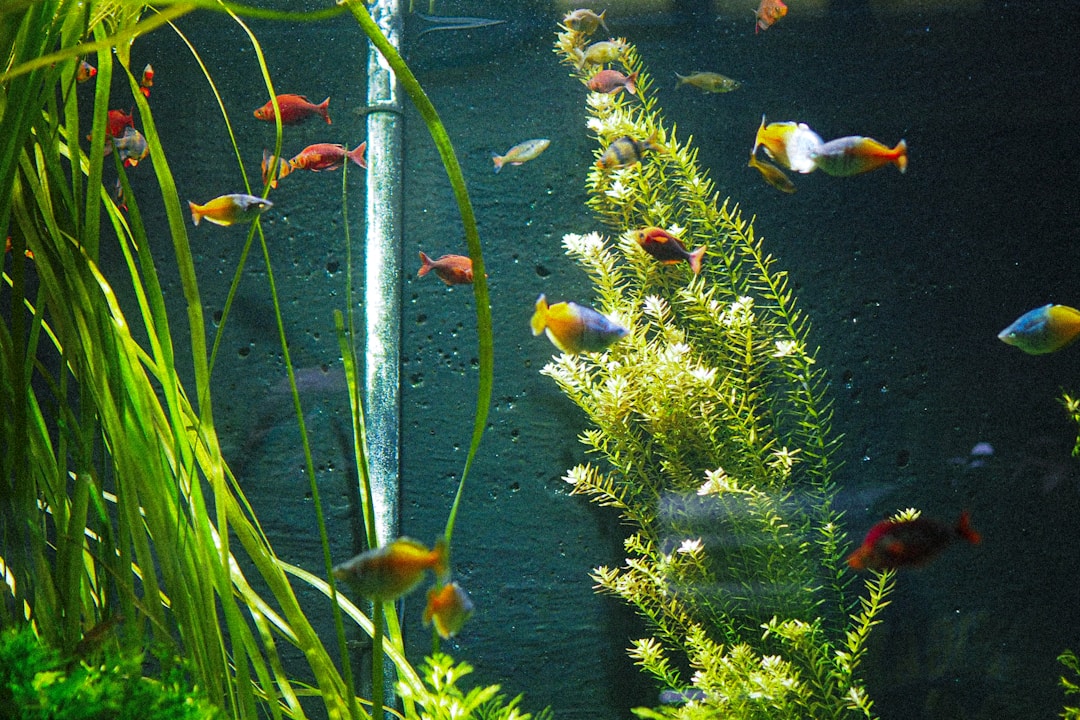
If you keep fish, you have heard the phrase: “Before raising fish, raise the water. Before raising water, raise the bacteria.” This is not marketing hype. Nitrifying bacteria are the invisible workforce that keeps your fish alive. Without them, ammonia from fish waste builds up and kills your fish within days.
What Nitrifying Bacteria Actually Do
Nitrifying bacteria are a group of beneficial microorganisms that convert toxic ammonia into progressively less harmful compounds through a two-step process called nitrification.

The conversion sequence:
-
Ammonia (NH3) → Fish waste, uneaten food, and decaying plant matter release ammonia. Ammonia burns fish gills, damages internal organs, and causes rapid death at high levels.
-
Nitrite (NO2) → Nitrosomonas bacteria oxidize ammonia into nitrite. Nitrite is still toxic—it interferes with blood oxygen transport and causes “brown blood disease.”
-
Nitrate (NO3) → Nitrobacter bacteria oxidize nitrite into nitrate. Nitrate is much less toxic and can be removed through water changes or absorbed by plants.
The key point: Ammonia and nitrite are deadly. Nitrate is manageable. The entire safety of your aquarium depends on bacteria completing this chain.
Where These Bacteria Live
Nitrifying bacteria do not swim freely in the water. They attach themselves to surfaces. This is why filter media matters so much.

The bacteria colonize:
- Filter sponge and foam
- Ceramic rings and bio balls
- Gravel and sand substrate
- Any solid surface with water flow
The more surface area your filter media provides, the more bacteria can colonize. A bare tank with no filter media has almost no nitrifying capacity.
What Nitrifying Bacteria Do NOT Do
This is where many beginners get confused. Nitrifying bacteria:
- Do NOT decompose solid fish waste. That job belongs to heterotrophic bacteria—different organisms that break down organic matter.
- Do NOT clear cloudy water. Cloudiness from particles or bacterial blooms is unrelated to nitrification.
- Do NOT work instantly. Establishing a working colony takes 2 to 4 weeks.
Nitrifiers only process dissolved nitrogen compounds—ammonia and nitrite that have already entered the water column. They cannot “eat” fish poop directly.
Conditions Bacteria Need to Survive
Nitrifying bacteria are aerobic. They need:
- Oxygen: Constant water flow through filter media supplies oxygen. If your filter stops for hours, oxygen depletes and bacteria begin dying.
- Surface attachment: They grow best on porous filter media, not floating in water.
- Ammonia source: Without ammonia as food, the colony shrinks. A tank with no fish may lose its bacterial population over time.
- Time: Natural colonization takes weeks. Adding bottled bacteria does not shortcut this entirely.
How Long It Takes to Establish Bacteria
In a brand new tank with no added bacteria:
- Week 1-2: Ammonia rises as heterotrophs decompose organic matter
- Week 2-3: Nitrosomonas appear, ammonia drops, nitrite rises
- Week 3-4: Nitrobacter appear, nitrite drops, nitrate rises
- Week 4+: Full cycle established when ammonia and nitrite both read zero
This timeline varies. Cold water slows bacterial growth. High pH speeds ammonia toxicity. Adding bacteria from established media can cut this time significantly.
Signs of an Established Colony
You know nitrifying bacteria are working when:
- Ammonia test reads 0 ppm
- Nitrite test reads 0 ppm
- Nitrate test shows rising levels (10-40 ppm typical)
- Fish show no stress symptoms after feeding
If ammonia or nitrite ever registers above zero during testing, your bacterial colony is either incomplete or has crashed.
What Kills Nitrifying Bacteria
Common causes of bacterial die-off:
- Cleaning all filter media at once: Removes the entire colony. Never replace or deep-clean all media simultaneously.
- Medications: Some antibiotics kill bacteria indiscriminately. Check medication labels before use.
- Chlorine or chloramine: Tap water disinfectants kill bacteria instantly. Always use a dechlorinator when adding water.
- Power outage: Without oxygen flow, bacteria in sealed canisters can die within hours.
- Complete water change: Removing most tank water does not directly harm bacteria, but sudden parameter shifts can stress the system.
Summary
Nitrifying bacteria are essential. They convert deadly ammonia into manageable nitrate through a two-step oxidation process. They colonize filter media and need oxygen, surface area, and time to establish. They do not decompose solid waste or clear cloudy water. Understanding their role helps you maintain water quality, avoid new tank syndrome, and keep fish alive long-term.
Comments