5 Common Myths About Nitrifying Bacteria in Aquariums Debunked
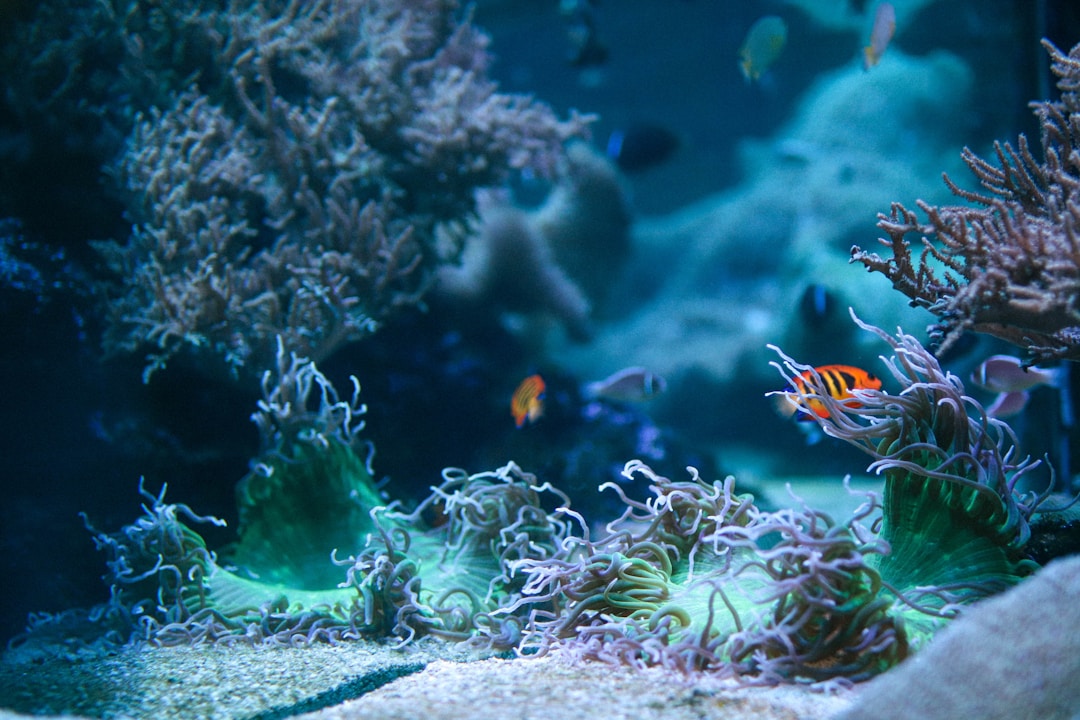
Aquarium forums and product advertisements spread plenty of misinformation about nitrifying bacteria. Some claims come from marketing hype. Others echo through hobbyist discussions until they sound like facts. Believing these myths leads to wasted money, dead fish, and frustration.
Here are five common myths about nitrifying bacteria—debunked with what’s actually true.
Myth 1: Nitrifying Bacteria Make Water Clear
Truth: Nitrifying bacteria remove dissolved ammonia and nitrite. They do not clear cloudy water.

Water clarity depends on particle removal, not toxin conversion. Heterotrophic bacteria—the same group that decomposes organic waste—form biofilms on filter media that trap fine particles. These are completely different organisms from nitrifiers.
If your water looks milky or cloudy, the cause is either:
- A bacterial bloom (rapid heterotroph reproduction)
- Fine particles from substrate or decorations
- Dissolved organics or tannins
Adding nitrifying bacteria products does nothing for visual clarity. Mechanical filtration and time solve cloudiness.
Myth 2: Nitrifying Bacteria Decompose Fish Poop
Truth: Nitrifiers only process dissolved ammonia and nitrite. Solid waste decomposition belongs to heterotrophic bacteria.
Nitrifying bacteria cannot “eat” solid fish waste. They are chemolithotrophs—organisms that derive energy from chemical reactions, not organic matter digestion.
The actual waste breakdown process:
- Heterotrophic bacteria decompose solid waste, uneaten food, and dead plant material
- This decomposition releases ammonia into the water
- Nitrifying bacteria then convert that dissolved ammonia
If you want less solid waste accumulating, the solution is better mechanical filtration, gravel vacuuming, and controlled feeding—not adding more nitrifiers.
Myth 3: Adding Bottled Bacteria Means You Can Add Fish Immediately
Truth: Commercial bacteria products often contain dormant or dead organisms. Establishing a working colony still takes 2 weeks minimum.
Bottled bacteria can help accelerate cycling, but they do not create an instant functional colony. The bacteria need to:
- Survive transport and storage (many products contain mostly dead cells)
- Activate and colonize filter media surfaces
- Multiply to numbers sufficient for your tank’s bioload
Even with a high-quality bacteria product, you should wait at least 2 weeks and test ammonia and nitrite before adding fish. Adding fish immediately after dosing bottled bacteria risks ammonia spikes and new tank syndrome.
Myth 4: Aquarium Lights Kill Nitrifying Bacteria
Truth: Normal aquarium lighting does not harm nitrifiers. Only UV sterilizers can kill them.
Nitrifying bacteria prefer low-light environments but tolerate standard aquarium fixtures. Glass light covers block most ultraviolet radiation. The bacteria survive indefinitely under typical LED or fluorescent setups.
The actual danger comes from UV sterilizers. Devices with quartz glass sleeves allow UV-C radiation to pass through and kill microorganisms—including beneficial bacteria. If you use a UV sterilizer:
- Turn it off during the first week of establishing bacteria
- Place it after the biological filter in the flow path
- Understand that continuous UV reduces overall bacterial population
Your standard tank lights are safe.
Myth 5: Turning Off the Filter Kills Nitrifying Bacteria
Truth: Nitrifiers can survive low oxygen for extended periods. Heterotrophic bacteria die first during filter shutdown.
Nitrifying bacteria have lower oxygen demand than heterotrophs. When a canister filter stops:
- Heterotrophs in the filter consume remaining oxygen rapidly
- These bacteria die and decompose, releasing toxins
- The resulting water quality crash indirectly kills nitrifiers
The sequence matters. Nitrifiers do not die immediately from oxygen deprivation. They die from the secondary effects of heterotroph decomposition and accumulated toxins.
A short power outage of a few hours rarely causes complete colony loss. Extended shutdown—overnight or longer—poses real risk. If your filter stops for hours, test ammonia immediately when power returns.
How to Actually Care for Nitrifying Bacteria

Practical care guidelines:
- Never clean all filter media at once. Replace or rinse only part of the media at each maintenance session. Use tank water for rinsing—never tap water with chlorine.
- Keep the filter running continuously. Oxygen flow matters. Even brief stops reduce bacterial efficiency.
- Add fish gradually after cycling. A colony sized for three fish cannot handle ten fish added overnight.
- Avoid medications that target bacteria unless necessary. Some antibiotics kill beneficial organisms indiscriminately.
- Test water parameters weekly. Ammonia or nitrite above zero indicates a bacterial problem.
Summary
Nitrifying bacteria do not clear cloudy water, do not decompose solid waste, are not instantly ready from bottles, are not killed by normal lights, and do not die immediately when filters stop. Understanding these facts helps you avoid products that promise impossible results and maintain your tank correctly.
Comments