Best Fish for Basement Aquariums: Species That Thrive in Cooler Environments
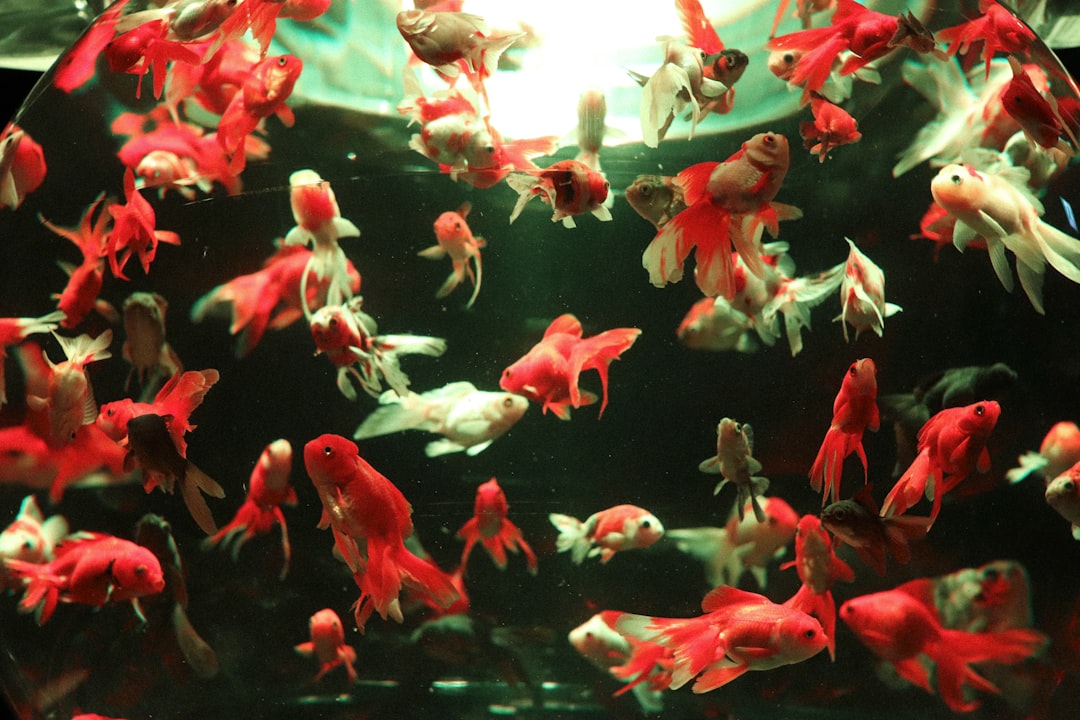
Basements run cooler than the rest of your home, typically staying around 65-70°F naturally. This temperature range suits certain fish perfectly while challenging tropical species that require consistent 78°F.
Choosing fish that match your basement temperature saves heating costs, reduces equipment failure risks, and often improves breeding success.
Why Basements Stay Cool
Two factors keep basement temperatures lower:
- Earth contact: Basement walls and floors connect directly to soil that maintains stable cool temperatures year-round
- Heat sink effect: Concrete floors absorb warmth from the air and aquarium water, pulling heat away faster than upper-floor wood construction
This natural cooling benefits certain species while creating heating challenges for tropical fish.
Cold-Water Species for Unheated Basement Tanks
These fish thrive at 65-70°F without supplemental heating.
White Cloud Mountain Minnows
Small, colorful, and incredibly hardy. White Clouds tolerate temperatures from 60-75°F and actively spawn when temperatures drop seasonally. Their golden-orange bodies with red fins create schooling displays in planted tanks.
Tank size: 10 gallons minimum for a small group.
Rosy Barbs
Rosy Barbs tolerate cooler water while maintaining active swimming behavior. Their pinkish-red color intensifies in well-maintained tanks. They grow larger than White Clouds (4-6 inches), requiring at least 20 gallons.
These barbs sometimes nip slow-moving fish with long fins. Keep them with similar-sized, active species.
Fancy Goldfish
Goldfish excel in basement environments. They prefer 65-72°F and actually suffer at temperatures above 75°F, where oxygen availability decreases and metabolic stress increases.
Fancy varieties like Fantails, Orandas, and Ranchus work in 20+ gallon tanks. Larger single-tail varieties need 40+ gallons minimum due to their size and waste production.
Neocaridina Shrimp (Cherry Shrimp)
Cherry Shrimp demonstrate remarkable temperature tolerance from 65-80°F. They often breed more successfully in cooler basement conditions where seasonal temperature variation triggers reproduction cycles.
A 10-gallon shrimp-only tank creates a thriving colony without heating costs.
Tropical Fish in Basement: Heating Requirements
Tropical species like Angelfish, Tetras, and Bettas require 75-82°F consistently. Achieving this temperature differential from a 65°F basement requires:
Heater Wattage Calculation
Use 3-5 watts per gallon for basement tropical setups, higher than the standard 2-3 watts for upper-floor rooms. The extra capacity compensates for heat loss through concrete contact.
Example: A 55-gallon tropical tank in a 65°F basement needs 165-275 watts of heating capacity.
Heater Redundancy
Single heater failure in a cool basement causes rapid temperature drops. Install two heaters rather than one large unit:
- Two 150-watt heaters instead of one 300-watt
- If one fails, the other maintains minimum temperature
- External controller (like Inkbird) prevents “heater stuck on” disasters
Insulation Strategies
Reduce heating workload by insulating the tank:
- Stand isolation: High-density foam between tank base and stand prevents heat sink through the bottom
- Side insulation: Foam board on back and sides reduces lateral heat loss
- Stand elevation: Pressure-treated wood or plastic risers create an air gap beneath the stand
Insulation can reduce heater workload by up to 30%, cutting energy costs and extending equipment life.
Temperature Categories Summary
| Category | Range | Basement Suitability |
|---|---|---|
| Cold-water | Below 68°F | Perfect for unheated basements |
| Subtropical | 65-75°F | Good fit, may need minor seasonal adjustment |
| Tropical | 75-82°F | Requires robust heating system |
Common Mistakes
Tropical Fish in Unheated Tanks
Placing Angelfish or Bettas in a 65°F basement without heating causes chronic stress, immune suppression, and eventual disease. The fish may survive initially but decline over weeks.
Single Heater Without Backup
One heater in a basement tropical setup creates catastrophe risk. Heater failure overnight in a 65°F room drops tank temperature rapidly. Fish exposed to sudden 10+ degree drops suffer thermal shock.
No Temperature Monitoring
Basement temperature fluctuates seasonally even with heating. Digital thermometers and external controllers provide early warning of equipment problems.
Species Selection Checklist
Match fish to your basement conditions:
- Measure actual basement temperature before selecting species
- Choose cold-water/subtropical species for unheated or lightly heated setups
- Install redundant heating for tropical species
- Add insulation to reduce heating costs
- Monitor temperature daily with digital thermometer
- Plan seasonal adjustments as basement temperature varies
The right fish choice makes basement aquarium keeping easier and more economical. The wrong choice creates ongoing equipment battles and fish health problems.
Comments