Why Fish Stress During Water Changes and How Tetra AquaSafe Helps
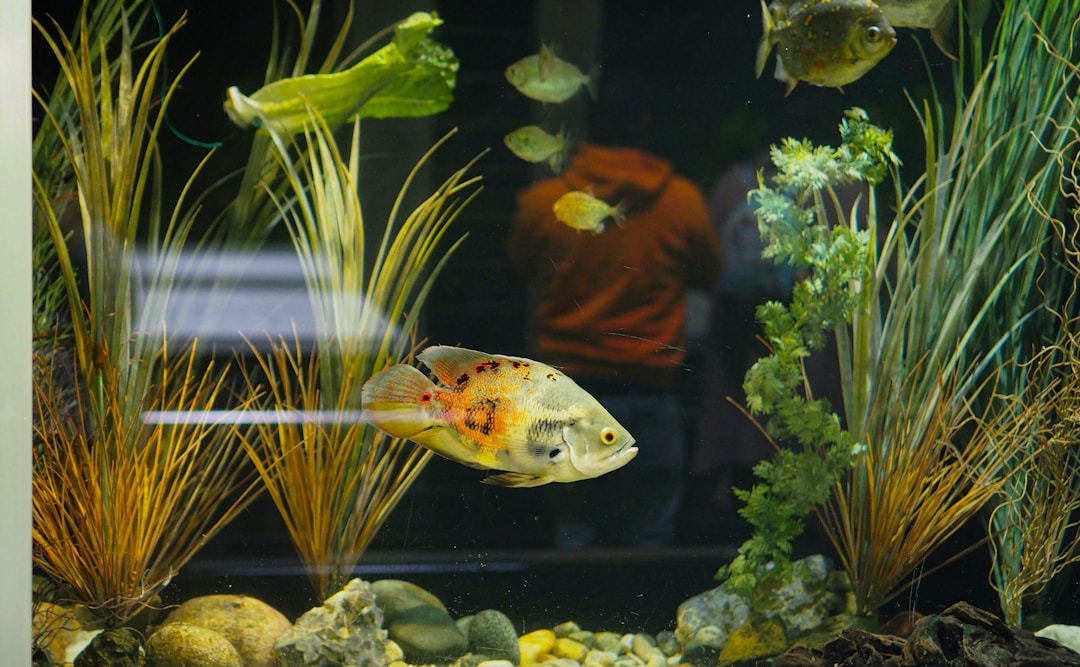
Many fish keepers notice their fish acting strangely after a water change. Fish may hide behind decorations, breathe rapidly at the surface, or refuse to eat. This behavior signals stress, and understanding the cause helps you prevent it.
The Direct Answer
Fish stress during water changes comes from sudden shifts in water chemistry. Chlorine exposure, pH changes, and temperature differences all trigger stress responses. Tetra AquaSafe reduces this stress through an optimized vitamin B mix that supports fish nervous systems and plant extracts that protect gills and mucous membranes.
Signs of Fish Stress After Water Changes
Watch for these common stress indicators:
- Hiding behavior - Fish retreat to corners or behind plants
- Clamped fins - Fins held tight against the body instead of spread naturally
- Rapid breathing - Gill movement increases, fish may gasp at the surface
- Loss of appetite - Fish ignore food offered shortly after the change
- Color fading - Stress hormones can cause temporary color loss in some species
- Jerky swimming - Erratic movements or darting around the tank
These symptoms usually appear within minutes of a water change and may last several hours if the underlying cause is not addressed.
What Happens Chemically During Water Changes
When you add new water to your aquarium, three major changes occur:
Chlorine and Chloramine Exposure
Untreated tap water contains chlorine that immediately burns fish gills. Even conditioned water can still shock fish if the conditioner was not fully mixed before pouring.
pH Shift
Tap water pH often differs from your aquarium pH. A sudden swing of even 0.5 pH units can stress fish, especially sensitive species like bettas or discus.
Temperature Difference
Cold tap water poured directly into a warm tank causes thermal shock. Fish metabolism and immune function depend on stable temperature.
How Vitamin B Reduces Stress
Tetra AquaSafe contains an optimized vitamin B complex. Vitamin B plays several important roles in fish health:
- Nervous system support - B vitamins help regulate nerve function and stress hormone production
- Metabolic stability - B vitamins assist energy metabolism during environmental changes
- Recovery acceleration - Adequate B vitamin levels help fish bounce back faster after stress events
Fish cannot produce B vitamins internally and must obtain them from their environment and diet. A water conditioner that adds these vitamins directly supports fish during the vulnerable water change period.
How Plant Extracts Protect Gills
The plant extracts in Tetra AquaSafe create a protective coating on two critical surfaces:
- Gills - The primary breathing organ where oxygen exchange occurs
- Mucous membranes - The protective slime layer covering fish skin
This coating acts as a barrier against irritants. When chlorine or other chemicals would normally damage these surfaces, the plant extract layer reduces direct contact. Fish maintain better breathing efficiency and retain their protective slime coat.
Best Practices to Minimize Stress
Combine Tetra AquaSafe with these techniques for the least stressful water changes:
Match Temperature
Use a thermometer to ensure new water matches tank water within 1-2 degrees. Let tap water sit in a bucket for 30 minutes, or use a heater to adjust temperature before adding.
Add Conditioner Before Pouring
Mix Tetra AquaSafe into your bucket of new water and wait 1-2 minutes. This ensures complete neutralization before water touches your fish.
Pour Slowly
Add new water gradually rather than dumping the entire bucket at once. Pour along the tank wall to reduce current disturbance.
Avoid Large Changes
Change 10-20% of water weekly rather than 50% monthly. Smaller, frequent changes cause less dramatic chemistry shifts.
Provide Aeration
Add an air stone or increase filter surface agitation during larger water changes. This maintains oxygen levels while fish adjust.
Common Mistakes That Increase Stress
- Skipping conditioner entirely and hoping chlorine will dissipate
- Adding conditioner after untreated water has already touched fish
- Pouring water directly onto fish instead of along the tank wall
- Changing more than 30% of water in a single session
- Using hot tap water that contains more dissolved metals
Summary
Fish stress during water changes comes from chlorine exposure, pH shifts, and temperature differences. Tetra AquaSafe addresses multiple causes with vitamin B for nervous system support and plant extracts for gill protection. Match temperature, condition water before pouring, and change smaller amounts frequently to keep stress minimal.
Comments