How to Set Up Aquarium Decorations: A Beginner's Landscaping Guide
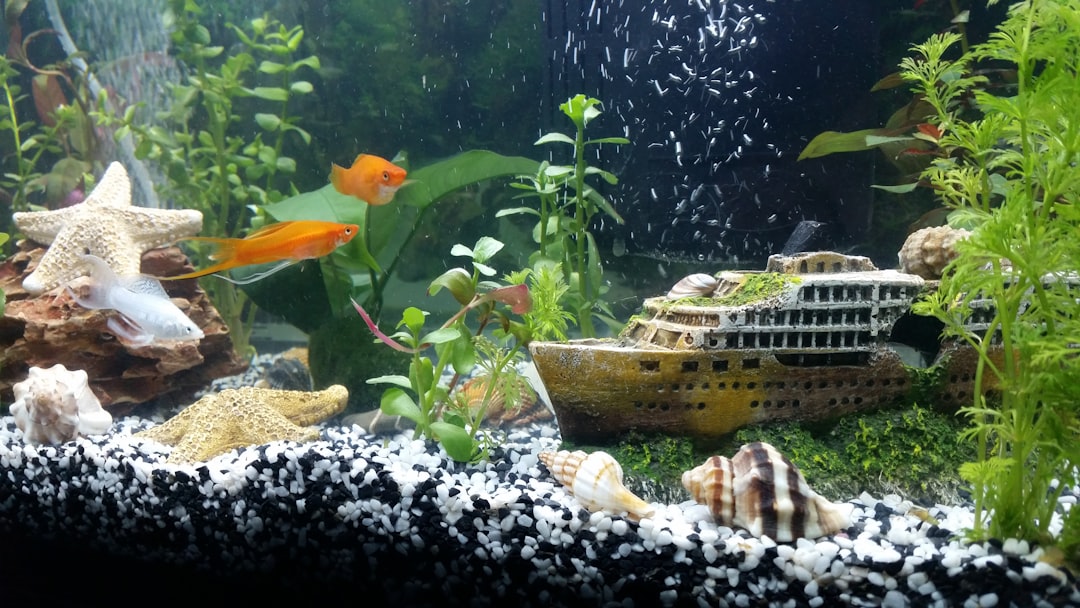
Setting up a new aquarium involves more than just adding water. The order in which you place substrate, decorations, and plants affects how stable your setup becomes. Beginners often rush this process and end up with displaced sand, tilted stones, or floating plants.
The Direct Answer
Follow this sequence for a stable setup:
- Lay and flatten cleaned substrate
- Cover the substrate with a plastic sheet to protect it
- Fill water slowly to the minimum operational level
- Remove the plastic sheet
- Place decorations like stones, pottery, and hiding houses
- Position aquatic plants in pots with anchoring stones for stability
Why the Order Matters
Adding water directly onto sand or gravel causes turbulence that displaces the substrate. The plastic sheet barrier prevents water from washing away your carefully arranged base layer. Filling water first creates a stable environment, and then you can position decorations precisely without disturbing the substrate.
Preparation Checklist
Before you start, make sure everything is clean:
- Rinse substrate thoroughly (see our guide on cleaning aquarium sand)
- Rinse decorations, stones, and pottery
- Check that hiding houses and structures have no sharp edges
- Have a plastic bag or sheet ready (a clean food bag cut open works well)
- Prepare your water source
Step-by-Step Placement Sequence
Step 1: Lay the Substrate
Spread your cleaned sand or gravel across the tank bottom. Use your hand or a flat tool to level it. The substrate layer should be even, with a slight slope toward the front if desired.
Step 2: Cover with Plastic
Take a clean plastic sheet or bag and lay it flat over the substrate. This barrier protects the sand from water turbulence during filling.
Step 3: Add Water Slowly
Fill the tank with water to the minimum level needed for operation. Pour slowly or use a hose aimed at the plastic sheet rather than directly onto the sand. The water flows over the plastic instead of hitting the substrate.
Step 4: Remove the Plastic
Once the tank has enough water, carefully pull out the plastic sheet. The substrate underneath should remain flat and undisturbed.
Step 5: Place Decorations
Now add your hardscape elements. Stones, pottery, hiding houses, and decorative items go into the tank. Position them where you want them, pressing gently to ensure stability.
Step 6: Add Plants
For rooted plants, use small pots with quartz stones or gravel to hold them in place. This prevents fish from uprooting them later. Place potted plants in their desired locations.
Plant Anchoring Technique
Plastic pots with quartz stones work well for anchoring plants:
- Place the plant in a small plastic pot
- Add quartz stones or gravel around the roots
- The stones hold the plant in place
- Set the pot into the substrate or position it directly
This method keeps plants stable during water changes and fish activity.
Common Mistakes
Adding water before protecting substrate. Water poured directly onto sand creates a mess. The plastic barrier solves this problem.
Placing decorations on dry substrate. Some beginners add stones before water. This can shift when water enters, especially if the substrate is disturbed.
Rushing the fill. Fast water flow displaces everything. Pour slowly.
Skipping the cleaning step. Dirty decorations introduce debris and potential contaminants.
Ignoring plant stability. Unanchored plants float or get uprooted easily.
Related Setup Knowledge
After decoration placement, your tank still needs time before adding fish:
- Run the filter for at least a week to condition the water
- Check water parameters before introducing fish
- Avoid adding fish to a brand-new setup
See our guide on new tank water conditioning for more details.
Summary Checklist
- Clean all items before setup
- Lay substrate first and level it
- Cover with plastic before adding water
- Fill water slowly to minimum level
- Remove plastic, then place decorations
- Anchor plants with pots and stones
Following this order gives you a stable, attractive aquarium ready for cycling and eventual fish introduction.
Comments