Signs Your Aquarium Is Not Cycled: How to Diagnose and Fix Cycling Problems
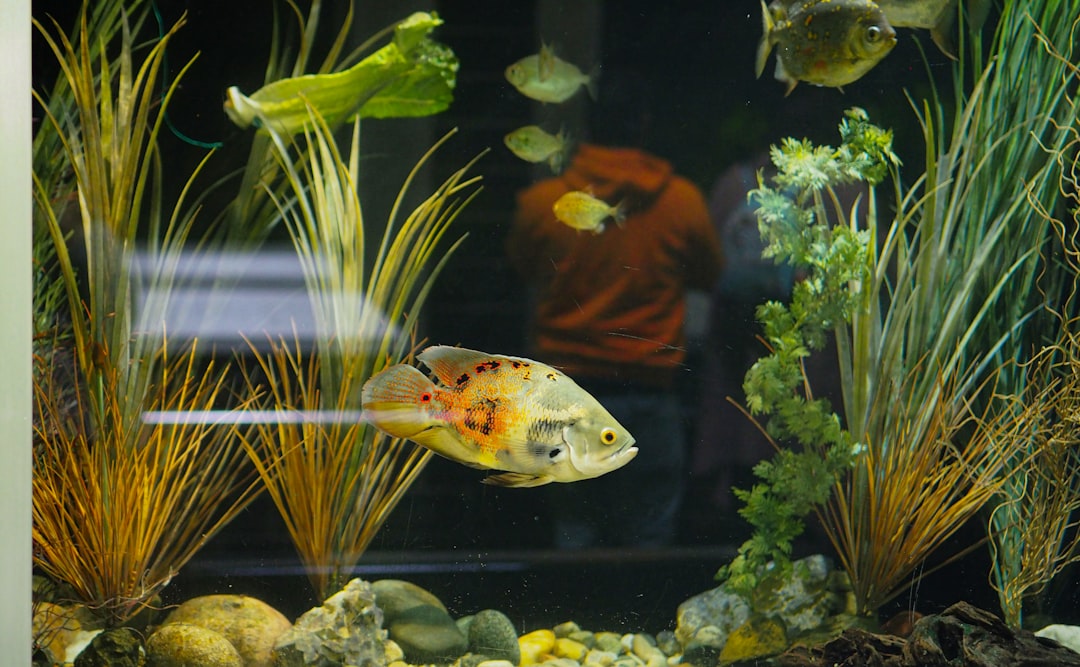
You set up your new aquarium, added fish, and now something seems wrong. The fish look stressed, the water looks cloudy, or your test kit shows alarming numbers. These are common signs that your tank is not fully cycled, and they require immediate attention.
The Direct Answer
An uncycled aquarium shows these key indicators:
- Ammonia above 0.25 ppm - toxic to fish at any detectable level
- Nitrite above 0.5 ppm - extremely dangerous, causes brown blood disease
- Fish gasping at the surface - a sign of ammonia burn or oxygen deprivation
- Cloudy or green water - often indicates a bacterial bloom
Fix an uncycled tank by:
- Performing a partial water change to dilute toxins
- Adding bottled beneficial bacteria or established filter media
- Testing parameters daily until ammonia and nitrite reach zero
- Reducing fish load temporarily if ammonia remains high
Primary Signs: Water Parameter Readings
The most reliable way to diagnose an uncycled tank is testing water parameters. Visual signs are helpful, but test kits give definitive answers.
Ammonia Test Results
| Ammonia Level | Meaning | Action Required |
|---|---|---|
| 0 ppm | Safe | Tank is cycled or fish load is low |
| 0.25-0.5 ppm | Warning | Perform partial water change |
| Above 0.5 ppm | Dangerous | Immediate water change + add bacteria |
| Above 1 ppm | Critical | Large water change, reduce fish load |
Ammonia burns fish gills, causing permanent damage even at low levels. Any detectable ammonia means your biological filter is insufficient.
Nitrite Test Results
| Nitrite Level | Meaning | Action Required |
|---|---|---|
| 0 ppm | Safe | Tank is cycled |
| 0.25-0.5 ppm | Warning | Water change, monitor closely |
| Above 0.5 ppm | Dangerous | Immediate action required |
| Above 1 ppm | Critical | Large water change, consider salt addition |
Nitrite is more toxic than ammonia in some ways. It blocks oxygen transport in fish blood, causing “brown blood disease.” Fish suffocate internally even in oxygen-rich water.
Nitrate Test Results
| Nitrate Level | Meaning |
|---|---|
| 0 ppm | Tank may not be fully cycled OR fish load is very low |
| 5-20 ppm | Normal for cycled tanks with light stocking |
| 20-40 ppm | Acceptable, perform maintenance water changes |
| Above 40 ppm | Too high, perform water change and check filter |
Detectable nitrate with zero ammonia and nitrite confirms a cycled tank. However, zero nitrate with zero ammonia and nitrite may mean the tank has no fish waste to process yet.
Secondary Signs: Fish Behavior
Fish show clear behavioral changes when water quality is poor. Learn to recognize these warning signs early.
Gasping at the Surface
When fish swim to the surface and appear to gulp air, they are struggling to breathe. This indicates:
- Ammonia burn - gills are damaged and cannot extract oxygen efficiently
- Nitrite poisoning - blood cannot carry oxygen properly
- Low dissolved oxygen - water lacks adequate oxygenation
Test ammonia and nitrite immediately. If both are zero, add aeration with an air stone or adjust filter output to increase surface agitation.
Lethargy and Hiding
Healthy fish are active and visible. Fish that hide constantly, stay at the bottom, or move sluggishly may be suffering from:
- Water parameter stress
- Disease triggered by poor water quality
- Temperature fluctuations
Test water parameters first. If ammonia or nitrite is elevated, address that before considering disease treatment.
Red or Inflamed Gills
Look closely at your fish. Red streaks in gills or visibly inflamed gill tissue indicate ammonia burn. This damage can heal if ammonia drops to zero, but severe burns may be permanent.
Loss of Appetite
Fish refusing food often signals stress. Poor water quality suppresses appetite. If fish stop eating, test parameters before changing food or diet.
Visual Signs: Water Appearance
Visual cues help identify problems, but they are less definitive than test kits. Always test to confirm.
Cloudy White Water

White or gray cloudy water often indicates a bacterial bloom. This happens when heterotrophic bacteria multiply rapidly, feeding on organic waste in a new tank.
Is This Bad?
Bacterial blooms are usually harmless. They occur during early cycling and often clear on their own within a few days. However, cloudy water combined with high ammonia readings means the tank is not cycled.
What to Do
- Test ammonia and nitrite
- If parameters are safe, wait for the bloom to clear naturally
- Avoid massive water changes that remove the bloom’s food source
- Add aeration to help bacteria thrive
Green Water
Green water indicates an algae bloom. Single-celled algae multiply when light and nutrients are abundant. This often happens in new tanks with high ammonia or nitrate and strong lighting.
Is This Bad?
Green water is unsightly but not directly harmful to fish. However, it often signals high nutrient levels from an incomplete cycle.
What to Do
- Reduce lighting duration
- Test ammonia, nitrite, and nitrate
- Perform partial water changes if parameters are elevated
- Consider adding fast-growing plants to absorb nutrients
Floating Particles

Visible debris or suspended particles often come from:
- Uneaten food decomposing
- Fish waste not processed by the filter
- Bacterial bloom remnants
Particles alone do not indicate cycling problems, but they often accompany high ammonia from decaying waste.
What to Do
- Clean excess food and debris manually
- Check filter flow and clean if clogged
- Test ammonia levels
Unusual Odor

A fishy or foul smell from your aquarium often indicates:
- High ammonia levels
- Decomposing waste
- Anaerobic bacterial activity in the substrate
Healthy tanks have minimal odor. If your tank smells strongly, test ammonia immediately and clean the substrate if waste accumulates.
How to Test Your Aquarium Properly
Accurate testing requires proper technique.
Using Liquid Test Kits
Liquid kits like the API Freshwater Master Test Kit provide precise readings:
- Fill test tubes with aquarium water to the marked line
- Add reagent drops according to instructions
- Shake thoroughly for the specified time
- Match colors against the provided chart in good lighting
- Record results to track changes over time
Using Test Strips
Test strips are convenient but less precise:
- Dip strip briefly in aquarium water
- Wait specified time (usually 30-60 seconds)
- Compare colors to the chart
- Note readings for ammonia, nitrite, and nitrate
Testing Frequency
- Daily during cycling and the first month after adding fish
- Weekly for established tanks
- Immediately if fish show behavioral changes
Emergency Fixes for an Uncycled Tank
When tests reveal dangerous ammonia or nitrite levels, act quickly.
Step 1: Partial Water Change
Remove 25-50% of tank water and replace with dechlorinated water. This dilutes toxins immediately.
How to perform:
- Use a gravel vacuum to remove water and waste simultaneously
- Treat new water with dechlorinator before adding
- Match temperature to existing tank water
- Add slowly to avoid stressing fish
Step 2: Add Beneficial Bacteria
Introduce bottled bacteria or established media to jumpstart cycling:
- Bottled products: Add Tetra SafeStart, Dr. Tim’s One and Only, or Seachem Stability according to label directions
- Established media: Transfer ceramic rings or sponge filter portions from a healthy tank
Step 3: Reduce Fish Load
If ammonia remains above 1 ppm after water changes:
- Move some fish to a temporary holding container with aerated water
- Perform daily water changes in the main tank
- Return fish gradually as parameters stabilize
Step 4: Add Aquarium Salt for Nitrite Protection
Salt temporarily blocks nitrite toxicity. Add 1 teaspoon of aquarium salt per gallon if nitrite exceeds 0.5 ppm. This does not cure the problem, but it buys time while bacteria establish.
Step 5: Test Daily
Continue testing ammonia and nitrite every day. Perform water changes whenever ammonia exceeds 0.25 ppm or nitrite exceeds 0.5 ppm. Add bacteria doses daily until parameters stabilize.
Common Mistakes That Cause Cycling Failure
Adding Fish Too Soon
The most common beginner error. Many add fish the day after filling the tank, before bacteria exist. Fish suffer immediately.
Solution: Always test ammonia and nitrite before adding fish. Both should be zero.
Overfeeding
Excess food decays, producing ammonia faster than young bacteria can process. This causes ammonia spikes even in partially cycled tanks.
Solution: Feed only what fish eat in 2-3 minutes. Remove uneaten food immediately.
Skipping Tests
Many beginners trust bottled bacteria products without testing. If the product fails, fish die without warning.
Solution: Test daily for the first month. Never trust products blindly.
Adding All Fish at Once
Even in a cycled tank, adding many fish simultaneously can overwhelm bacteria. Ammonia spikes occur as bacteria lag behind new waste production.
Solution: Add fish gradually. Start with 2-3, wait a week, then add more.
Cleaning Filter Media in Tap Water
Chlorine kills beneficial bacteria instantly. Beginners who rinse filter cartridges under the tap destroy their biological filter.
Solution: Rinse filter media in tank water removed during water changes. Never use tap water.
Summary
An uncycled aquarium shows high ammonia, high nitrite, stressed fish, and often cloudy water. The definitive diagnosis comes from test kits, not visual cues.
Fix an uncycled tank immediately by:
- Performing partial water changes to dilute toxins
- Adding beneficial bacteria via bottled products or established media
- Testing daily and acting on elevated readings
- Reducing fish load if ammonia remains dangerous
Prevent cycling problems by testing before adding fish, stocking gradually, and avoiding overfeeding. A cycled tank reads zero ammonia and zero nitrite with detectable nitrate. Once you reach those parameters and fish behave normally, your tank is ready for full stocking.
Comments