How to Quarantine New Marine Fish: A 30-Day Protocol That Prevents Tank wipeout
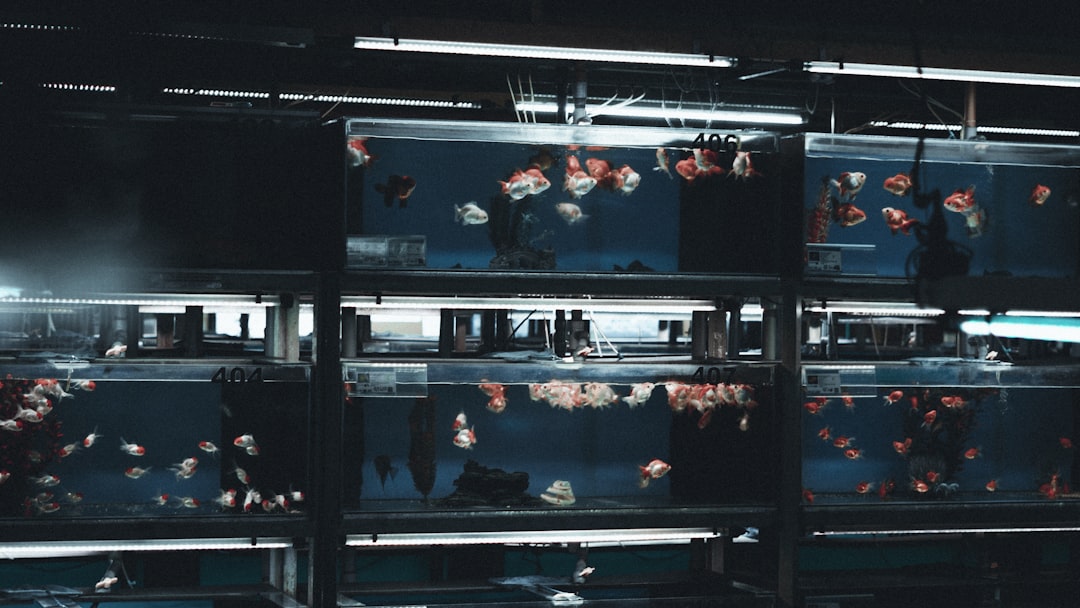
Quarantine every new marine fish for at least 30 days in a dedicated quarantine tank. The process includes temperature acclimation (1 hour float), slow water mixing (5 hours), observation for 2 days without feeding, then disease treatment if symptoms appear. Skipping quarantine can cause one new fish to wipe out your entire established tank.
Why Quarantine Is Mandatory
Marine fish often carry latent parasites like Cryptocaryon irritans (white spot/ich) that remain dormant in healthy fish. When stressed by transport or a new environment, these parasites multiply rapidly. A quarantine tank provides isolation, observation, and controlled treatment without risking your main display tank. The 30-day minimum allows the parasite lifecycle to complete and be treated.
A Real Disaster Story
In 2014, an experienced aquarist lost an entire tank of valuable fish including a gold tang, emperor angelfish, and butterflyfish after adding just one unquarantined fish. The newcomer carried white spot disease that spread within days. Every fish died. Established tanks can harbor fish that coexist with low-level parasite loads, but environmental stress triggers outbreaks that kill everyone.
This is not a rare event. Many beginners skip quarantine because they feel lucky or impatient. The result is often a tank wipeout within two weeks of adding new fish.
Quarantine Tank Setup
A quarantine tank does not need expensive equipment. You need:
- Tank size: Minimum 100 liters (25 gallons) for medium fish
- Filtration: Simple sponge filter or hang-on-back filter
- Heater: Reliable heater with temperature controller
- Air pump: Provides oxygenation and surface agitation
- Cover lid: Prevents fish from jumping out during stress
- Lighting: Minimal lighting to reduce stress
- No substrate: Bare bottom makes cleaning and observation easier
Do not use expensive biomedia like live rock. The quarantine tank will receive medication that can kill beneficial bacteria. Use inert filtration that you can replace or sterilize after each use.
Establishing the Nitrite Cycle
Set up the quarantine tank at least two weeks before buying fish. Run the filter with ammonia source (fish food or pure ammonia) to establish a basic bacterial colony. Test for ammonia and nitrite before adding fish. The cycle does not need to be perfect because quarantine fish spend limited time in the tank, but ammonia spikes will stress fish and reduce treatment effectiveness.
Day-by-Day Quarantine Protocol
Day 1: Temperature Acclimation (1 Hour)
When you bring home a new fish in a sealed bag:
- Float the sealed bag in the quarantine tank for 1 hour
- This allows water temperature inside the bag to match the tank
- Do not open the bag during this period
Temperature shock kills fish quickly. The floating method brings temperatures to equilibrium without exposing fish to sudden changes.
Day 1-2: Water Mixing (5 Hours)
After temperature matching:
- Open the bag and roll down the edges
- Clip the bag to the tank edge so fish stay inside
- Every 15-20 minutes, add a small amount of tank water to the bag
- Continue for 5 hours until bag water volume doubles
- Then gently release fish into the quarantine tank
This slow mixing prevents osmotic shock. Marine fish are sensitive to salinity differences. Gradual water exchange allows fish to adjust their internal salt balance.
Day 2-4: Observation Without Feeding
Do not feed for the first 2 days after arrival. This seems harsh but serves critical purposes:
- Fish are stressed from transport and need rest
- Feeding triggers digestion that increases ammonia output
- Empty gut reduces internal parasite activity during observation
- You can observe natural behavior without food interference
Watch for these warning signs:
- Rapid breathing or gasping at surface
- Scratching against tank walls (flashing)
- White spots appearing on fins or body
- Cloudy eyes or swollen areas
- Listless behavior or hiding constantly

Day 4-14: Observation with Light Feeding
Begin feeding small amounts. Use high-quality frozen foods or pellets. Continue daily observation for disease symptoms. White spot disease typically appears 5-7 days after stress triggers. Internal parasites may show as weight loss despite eating.
If no symptoms appear after 14 days, fish may still carry latent parasites. Continue the full 30-day period.
Day 14-30: Final Observation or Treatment
If disease appears during quarantine, begin treatment immediately:
White Spot (Ich) Treatment
- Raise temperature to 28°C (82°F) to speed parasite lifecycle
- Use copper-based medication at recommended dosage
- Maintain copper levels for 14-21 days minimum
- Copper kills free-swimming parasites; temperature acceleration speeds their emergence
Internal Parasites
- Observe weight loss, stringy feces, or bloating
- Use praziquantel or metronidazole treatments
- Feed medicated food if fish accept it
Bacterial Infections
- Visible wounds, red streaks, or swollen areas
- Use antibiotics like Oxytetracycline in quarantine water
- Keep water quality pristine during antibiotic treatment
Common Quarantine Mistakes
Rushing the Process
Shortening quarantine to 7 or 14 days does not protect your main tank. Parasites like ich have complex lifecycles. The dormant stage hides inside fish tissue. Only when parasites emerge to reproduce can medication kill them. A 30-day window catches multiple parasite generations.
Inadequate Tank Preparation
Setting up quarantine the day you buy fish guarantees ammonia spikes. Without a bacterial colony, fish waste accumulates rapidly. Stress from ammonia weakens fish and reduces treatment success.
Skipping Quarantine for “Healthy” Fish
Fish appearing healthy at purchase can carry dormant parasites. Store tanks often have low-level disease loads. Fish adapt to familiar parasites but succumb to new strains when moved. Every fish needs quarantine regardless of source.
Using the Same Equipment
Never transfer quarantine tank equipment to your main tank without sterilization. Nets, siphons, and filters carry parasite cysts. Bleach equipment after each use or maintain separate quarantine tools.
Freshwater Dip Procedure
For fish with visible external parasites, a freshwater dip provides quick relief:
- Prepare freshwater at the same temperature as quarantine tank
- Adjust pH to match if possible
- Place fish in freshwater for 2-5 minutes maximum
- Watch closely for stress signs
- Return fish to quarantine tank immediately if distress appears
Freshwater kills many external parasites that cannot tolerate low salinity. However, this is stressful and should not replace full quarantine.
Temperature Acceleration Strategy
Raising quarantine tank temperature to 28°C speeds parasite lifecycles. This technique helps when you need faster results:
- Ich parasites complete lifecycle in 6 days at 28°C vs 14 days at 25°C
- Faster emergence means faster treatment windows
- Do not raise temperature above 29°C to avoid oxygen depletion
Use this strategy only if fish tolerate higher temperatures. Some delicate species stress at 28°C.
Summary
Every new marine fish needs 30 days minimum quarantine. The protocol:
- Float sealed bag 1 hour for temperature match
- Mix water slowly over 5 hours
- Observe 2 days without feeding
- Feed lightly and watch for symptoms
- Treat disease immediately if it appears
- Maintain full 30 days even if fish looks healthy
A 90% success rate is achievable with proper quarantine. The 10% mortality typically involves fish already severely ill upon arrival. Do not let one careless purchase destroy your entire tank. Quarantine is the single most important practice for marine fish keepers.
Comments