Instant vs Traditional Aquarium Cycling: Which Method Is Best for Beginners
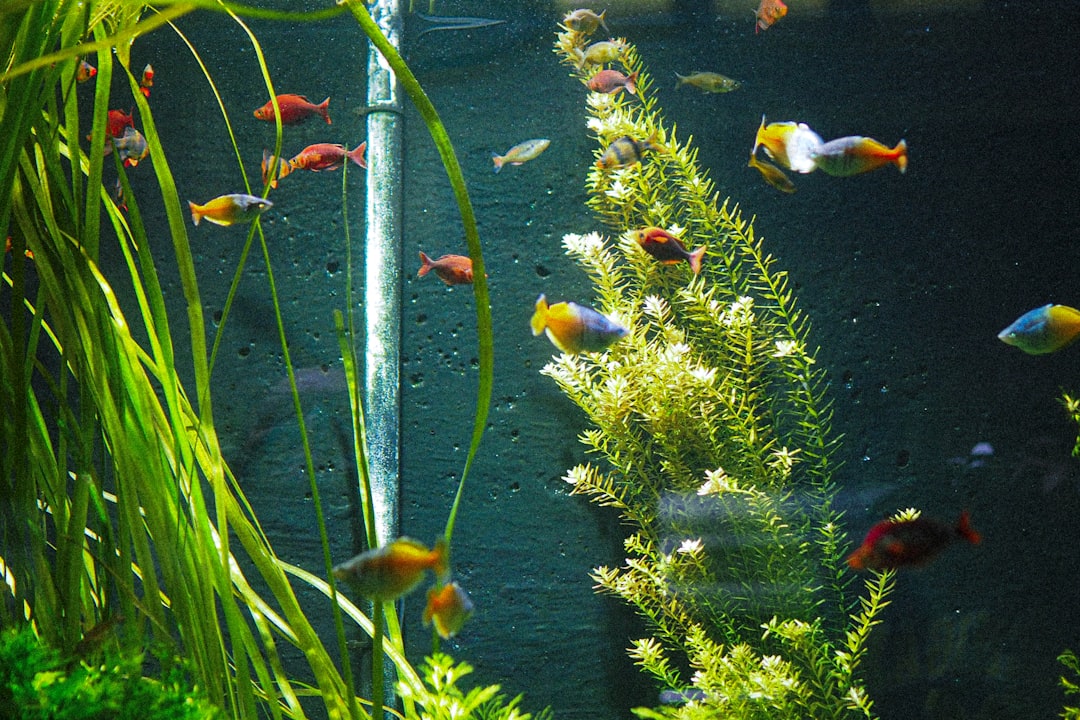
New aquarium owners face a common dilemma: wait weeks for traditional cycling or speed up the process with instant methods. Both approaches ultimately achieve the same goal—a functioning biological filter—but they differ in timeline, cost, and reliability.
Quick Comparison Summary
| Aspect | Traditional Cycling | Instant Cycling |
|---|---|---|
| Timeline | 4-6 weeks | 1-7 days |
| Cost | Free (ammonia source only) | $15-30 for bottled bacteria or free with established media |
| Reliability | Very predictable | Depends on product freshness or media quality |
| Best for | Patient beginners, no access to established tanks | Those with established tanks nearby or willing to buy products |
| Risk level | Low if you wait for completion | Medium if product fails or media is contaminated |
What Is Traditional Cycling?
Traditional cycling, often called fishless cycling, establishes beneficial bacteria by introducing an ammonia source and waiting 4-6 weeks for bacteria to naturally colonize your filter media.

The Process
- Set up the tank - fill with dechlorinated water, run filter and heater.
- Add ammonia - use fish food, pure ammonia drops, or a raw shrimp.
- Wait for ammonia spike - ammonia rises to 4-8 ppm within the first week.
- Wait for nitrite spike - ammonia-processing bacteria appear, nitrite rises.
- Wait for nitrate rise - nitrite-processing bacteria appear, nitrite drops to zero.
- Add fish when complete - both ammonia and nitrite read zero, nitrate is detectable.
Timeline Breakdown
- Week 1-2: Ammonia rises and peaks
- Week 2-3: Nitrite rises sharply (the most dangerous phase)
- Week 4-5: Nitrite drops, nitrate appears
- Week 5-6: Ammonia and nitrite both zero, cycle complete
Pros of Traditional Cycling
- Free - only costs ammonia source, which can be fish food scraps
- Predictable - the timeline follows known biological milestones
- Reliable - bacteria colonies are robust by completion
- No product dependency - you are not relying on potentially stale bottled bacteria
Cons of Traditional Cycling
- Long wait - 4-6 weeks feels interminable for excited beginners
- Requires patience - many beginners add fish too early, risking ammonia poisoning
- Needs consistent testing - you must test parameters weekly to track progress
- Ammonia handling - using pure ammonia requires careful dosing
What Is Instant Cycling?
Instant cycling introduces mature beneficial bacteria directly into your new tank, eliminating the waiting period. There are two main approaches: bottled bacteria products and established filter media transfer.
Method A: Bottled Bacteria
Products like Tetra SafeStart, Dr. Tim’s One and Only, and Seachem Stability contain live nitrifying bacteria. When added to a new tank, they begin processing ammonia within 24-72 hours.
Pros
- Quick results - ammonia and nitrite reach zero within days
- Easy to use - pour the bottle into the tank
- Widely available - sold at most pet stores
Cons
- Cost - typically $15-30 per bottle
- Quality variance - stale products may contain dead bacteria
- Brand dependency - results vary by product and freshness
- Not truly instant - still requires 24-72 hours to verify functionality
Method B: Established Filter Media
Transferring ceramic rings, sponge filters, or bio balls from a healthy established tank provides immediate bacterial colonies.
Pros
- Immediate effect - bacteria begin working from day one
- Free - no purchase needed if you have access to established media
- Most reliable - mature bacteria colonies are already active
- Faster results - often functional within 24 hours
Cons
- Requires access - you need a healthy established tank nearby
- Contamination risk - media from diseased tanks carries pathogens
- Limited availability - not everyone has fishkeeping friends or multiple tanks
Decision Guide: Which Method Should You Choose?
Your best choice depends on your specific situation:
Choose Traditional Cycling If:
- You are patient and willing to wait 4-6 weeks
- You have no access to established tanks or reliable bottled bacteria
- You want a completely free cycling method
- You enjoy learning the nitrogen cycle process in detail
Choose Bottled Bacteria If:
- You want to add fish within a week
- You have no access to established media
- You are willing to spend $15-30 on a product
- You can buy from a store with good product turnover (fresh stock)
Choose Established Media If:
- You have a healthy established tank or a fishkeeping friend nearby
- You want the fastest, most reliable instant cycling
- You want zero cost and zero product dependency
- You are confident the source tank is disease-free
Cost Comparison
| Method | Initial Cost | Ongoing Cost |
|---|---|---|
| Traditional | $0-10 (ammonia source, test kit) | Test kit refills |
| Bottled Bacteria | $15-30 + test kit | Additional bottles if product fails |
| Established Media | $0 + test kit | None |
The test kit is necessary for all methods. You cannot cycle safely without testing ammonia and nitrite.
Risk Comparison
Traditional Cycling Risks
- Adding fish too early - the main beginner mistake. Ammonia or nitrite still above zero burns fish gills.
- Incomplete patience - many give up at week 3 when nitrite peaks, thinking the tank is ready.
Bottled Bacteria Risks
- Product failure - stale bottles may contain mostly dead bacteria. Always check expiration dates.
- False confidence - assuming the product works without testing. Verify with test kits.
- Brand inconsistency - some products work better than others. Research before buying.
Established Media Risks
- Disease transfer - media from sick tanks may carry parasites or bacteria. Only use media from visibly healthy, long-established tanks.
- Insufficient quantity - too little media may not handle your planned fish load. Transfer substantial media, not just one ceramic ring.
Common Beginner Mistakes
For Traditional Cycling
- Adding fish at week 2 - ammonia is still high. Wait until both ammonia and nitrite read zero.
- Skipping nitrite tests - nitrite is more toxic than ammonia. Test both.
- Using fish-in cycling - adding fish during traditional cycling exposes them to ammonia spikes. Prefer fishless cycling.
For Instant Cycling
- No testing - trusting bottled bacteria without verification. Always test ammonia and nitrite before adding fish.
- Adding all fish at once - instant cycling establishes bacteria, but populations are limited. Stock gradually.
- Using media from unknown tanks - accepting filter media without knowing the source tank’s health history.
Summary
Traditional cycling takes 4-6 weeks but is free, predictable, and reliable. It suits patient beginners willing to wait and learn the nitrogen cycle process.
Instant cycling using bottled bacteria costs $15-30 but reduces the timeline to 1-7 days. It suits beginners who want fish sooner and are willing to purchase products.
Instant cycling using established media is free and the fastest method, but requires access to a healthy tank. It suits those with fishkeeping connections or multiple tanks.
For most beginners with no established tank nearby, bottled bacteria offers a practical compromise. For those with access to established media, that method provides the best results. Traditional cycling remains the safest backup if instant methods fail or products are unavailable.
Choose based on your timeline, budget, and access to established tanks. All three methods ultimately produce a healthy, cycled aquarium ready for fish.
Comments