How to Instantly Cycle a New Aquarium: A Step-by-Step Guide
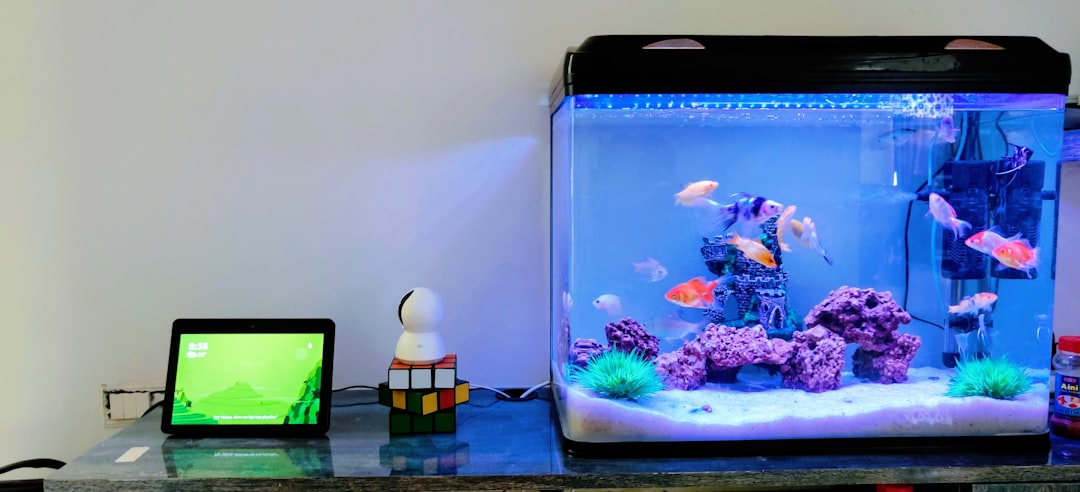
Setting up a new aquarium is exciting, but the traditional cycling process that takes 4-6 weeks can feel like an eternity. Many beginners want to add fish sooner without risking their health. The good news: you can instantly cycle a new aquarium by introducing mature beneficial bacteria from day one.
What Is Instant Aquarium Cycling?
Instant cycling means establishing beneficial bacteria in your tank immediately, rather than waiting for them to colonize naturally. These bacteria are essential because they process toxic ammonia from fish waste into less harmful nitrate. Without them, fish suffer ammonia poisoning within days.
Traditional cycling waits for bacteria to appear slowly. Instant cycling shortcuts this by adding bacteria directly—either from bottled products or by transferring established filter media from another healthy tank.
Method 1: Bottled Beneficial Bacteria
This is the most accessible option for beginners who do not have an established tank nearby.
Recommended Products
Several bottled bacteria products contain live nitrifying bacteria:
- Tetra SafeStart - widely available, effective for freshwater tanks
- Dr. Tim’s One and Only - scientifically formulated, works for freshwater and saltwater
- Seachem Stability - contains a blend of bacteria strains
How to Use Bottled Bacteria
- Set up your tank completely - install the filter, heater, substrate, and decorations before adding bacteria.
- Add the entire bottle - follow the dosage on the label. For a new tank, use the full recommended amount.
- Provide aeration - bacteria need oxygen to thrive. Turn on your filter and consider adding an air stone.
- Add a small ammonia source - a few flakes of fish food or a tiny amount of pure ammonia gives bacteria something to process.
- Test water daily - use ammonia and nitrite test kits. You should see ammonia drop to zero within 24-72 hours if the bacteria are active.
Important Notes
- Freshness matters - bottled bacteria products lose potency over time. Check expiration dates and buy from stores with good turnover.
- Temperature affects results - bacteria work best at 75-80°F. Avoid very cold tanks during cycling.
- Not all brands work equally - forum experiences vary. If one product fails, try another reputable brand.
Method 2: Established Filter Media Transfer
If you have access to a healthy, established aquarium, transferring filter media is the fastest and most reliable instant cycling method.

Why This Works Best
Filter media in an established tank holds enormous bacterial populations. Sponge filters, ceramic rings, and bio balls contain millions of nitrifying bacteria on their surfaces. When you place this media into a new tank, those bacteria immediately begin processing ammonia.
How to Transfer Filter Media
- Identify suitable media - sponge filters and ceramic rings work best because they hold the most bacteria. Avoid transferring activated carbon as it does not host bacteria.
- Handle gently - do not rinse the media in tap water. Chlorine kills bacteria. Keep it wet during transfer.
- Place in the new filter - put the established media directly into your new tank’s filter compartment.
- Add fish gradually - even with established media, start with a small number of fish. Monitor parameters for the first week.
Where to Get Established Media
- Your own tanks - if you have a healthy tank running, take some ceramic rings or cut a portion of a sponge filter.
- Local fish store - some stores give away old filter media or sell established sponge filters.
- Fishkeeping friends - ask fellow aquarists for spare media from their tanks.
Warning: Only use media from disease-free tanks. If a tank has had recent illness, the media may carry pathogens.

Step-by-Step Instant Cycling Checklist
Follow this sequence whether you use bottled bacteria or established media:
- Clean and set up the tank - rinse the tank, add substrate, install equipment.
- Fill with dechlorinated water - use a dechlorinator product to remove chlorine and chloramine, which kill bacteria.
- Turn on filter and heater - run the filter for at least 30 minutes before adding bacteria.
- Add beneficial bacteria - pour bottled bacteria or place established media.
- Introduce a small ammonia source - a pinch of fish food or one drop of pure ammonia per gallon.
- Test parameters daily - use ammonia, nitrite, and nitrate test kits.
- Wait for zero ammonia and nitrite - this typically takes 24-72 hours with instant methods.
- Add fish gradually - start with a few hardy fish, wait a week, then add more.
Monitoring Water Parameters
Testing is essential even with instant cycling. You need to confirm that bacteria are actively processing waste.
Target Levels
| Parameter | Safe Level | Danger Level |
|---|---|---|
| Ammonia | 0 ppm | Above 0.25 ppm |
| Nitrite | 0 ppm | Above 0.5 ppm |
| Nitrate | Below 40 ppm | Above 80 ppm |
Recommended Test Kits
- API Freshwater Master Test Kit - covers all essential parameters, affordable
- Tetra EasyStrips - convenient test strips, slightly less precise
- Seachem Ammonia Alert - continuous ammonia monitoring badge
Test at least once daily during the first week after instant cycling. If ammonia or nitrite spikes above zero, perform a partial water change and consider adding more bacteria.
When to Add Fish
The moment ammonia and nitrite read zero, your biological filter is functional. However, do not add all your fish at once.
Gradual Stocking Approach
- Add 2-3 hardy fish first - species like zebra danios or platies tolerate minor parameter fluctuations.
- Wait 3-5 days - test water. If parameters stay stable, add a few more fish.
- Continue gradually - build up to your full stocking over 2-3 weeks.
This gradual approach prevents ammonia spikes that occur when fish waste exceeds bacterial capacity. Even with instant cycling, bacteria need time to multiply as fish load increases.
Common Mistakes to Avoid
Skipping Water Tests
Many beginners trust bottled bacteria products without verifying results. Without testing, you cannot know if bacteria are working. Always test ammonia and nitrite before adding fish.
Adding Fish Too Fast
Instant cycling establishes bacteria, but the population is limited. Adding a full tank of fish immediately can overwhelm the system, causing ammonia spikes. Stock gradually.
Using Old Bottled Bacteria
Products sitting on store shelves for months may contain mostly dead bacteria. Check expiration dates and buy from stores with high turnover.
Rinsing Established Media in Tap Water
Chlorine in tap water kills beneficial bacteria instantly. Keep established media wet and transfer it directly to the new tank without rinsing.
Summary
Instant cycling shortcuts the 4-6 week traditional process by introducing mature beneficial bacteria from day one. Use bottled bacteria products like Tetra SafeStart or Dr. Tim’s One and Only if you lack access to established media. Transfer filter media from a healthy tank if possible—this is the fastest and most reliable method.
Always test water parameters to confirm bacteria are active. Ammonia and nitrite should reach zero within 24-72 hours. Add fish gradually to let bacterial populations adjust. With proper execution, you can have fish swimming in your new aquarium within a week instead of waiting six weeks for traditional cycling.
Comments