How to Treat Ich (White Spot Disease) in Aquarium Fish: A Step-by-Step Protocol
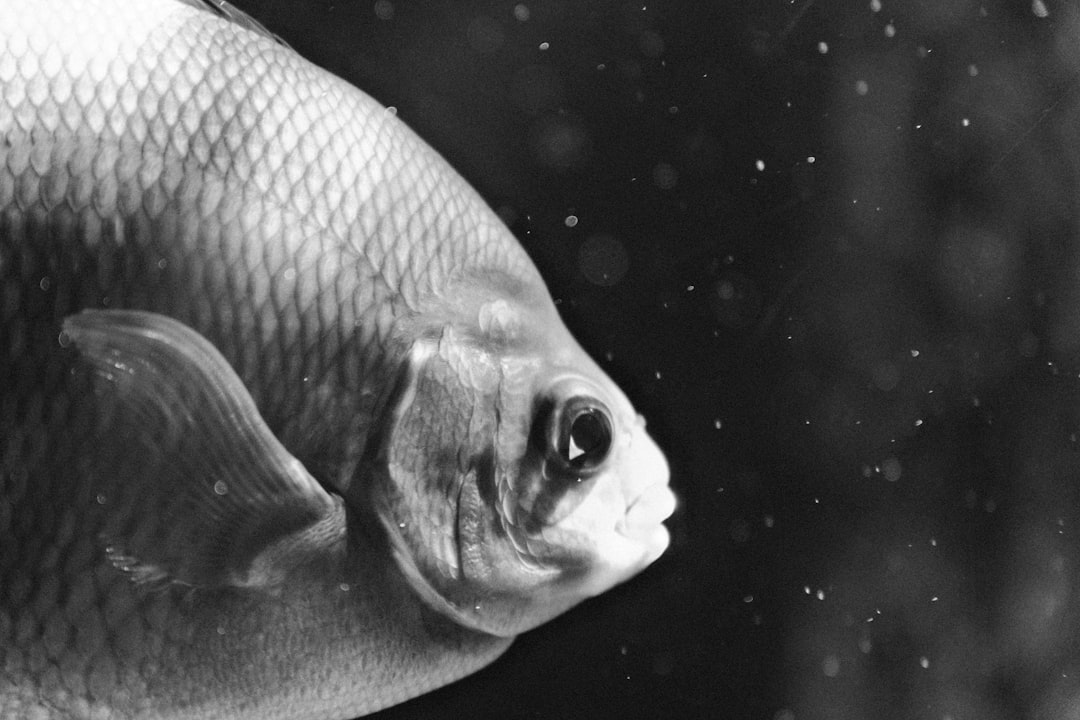
You noticed white salt-like spots on your fish. They look like someone sprinkled grains of salt across the body and fins. Your fish is scratching against objects, breathing faster, and maybe hiding more than usual.
That is Ich—also called White Spot Disease—and it is the most common parasite problem in home aquariums. The good news: Ich is treatable if you understand its life cycle and treat during the right phase.
What Causes Ich
Ich is caused by a protozoan parasite called Ichthyophthirius multifiliis. The white spots you see are not the parasite itself—they are the fish’s skin reacting to the parasite embedded underneath.
Each spot contains one adult parasite feeding on blood and skin cells. The parasite is protected by the fish’s tissue, which makes it nearly impossible to kill during this stage.
The Key to Cure: Understanding the Life Cycle
Ich has three phases. You cannot kill the parasite during the first two. Treatment only works during phase three.
Phase 1: Adult Embedded in Fish
The parasite burrows into the skin or gills. It feeds and grows protected under a layer of mucus and skin cells. This is when you see the white spots. Medications cannot reach the parasite here.
Phase 2: Cyst on Substrate
After feeding for several days, the adult parasite drops off the fish and falls to the bottom of the tank. It becomes a cyst and divides rapidly, producing hundreds to thousands of young parasites inside.
This cyst phase still protects the parasites from medication.
Phase 3: Free-Swimming Young
The cyst bursts and releases free-swimming young parasites called “theronts.” They swim up looking for a host fish. They must find a fish within 2-3 days, or they die.
This is the only phase when medication works. The parasites are exposed in the water, not protected by fish tissue or a cyst.
Why Temperature Matters
The length of each phase depends on water temperature. This is why raising temperature speeds up treatment.
At 70°F (21°C), the full cycle takes about 4 weeks. At 80°F (27°C), the cycle completes in only 5 days. At 85°F (29°C), it is even faster.
Raising temperature does not kill Ich directly. It forces the parasites through their life cycle faster, so they reach the vulnerable free-swimming phase sooner—and you can treat them before they infect more fish.
The Treatment Protocol
Follow these steps for reliable Ich treatment:
Step 1: Raise Temperature
Increase water temperature to 80-85°F (27-29°C). Do this gradually over 24 hours—raise about 2°F per hour maximum. Sudden temperature jumps stress fish further.
Make sure your fish can tolerate higher temperatures. Most tropical fish handle 82-84°F fine. Goldfish and some coldwater species may struggle above 80°F.
Step 2: Remove Carbon from Filter
Activated carbon absorbs medications. Remove any carbon from your filter before dosing. You can put it back after treatment ends.
Step 3: Choose Your Medication
Several options work for Ich:
-
Copper-based treatments (Coppersafe, Aquari-Sol): Effective and long-lasting. Copper stays active in the water. Do not use with invertebrates (shrimp, snails) or sensitive fish like scaleless catfish.
-
Malachite green (Quick Cure, Nox-Ich): Works well but stains plastic and silicone blue-green. It can irritate fish gills at high doses. Use half dose for scaleless fish.
-
Quinine hydrochloride: The drug of choice in veterinary guides. Use at 30 mg per liter (roughly 1 in 30,000). Harder to find in hobby products.
All three kill free-swimming Ich parasites. Pick what is available and appropriate for your tank inhabitants.
Step 4: Dose and Wait
Add your chosen medication at the recommended dose. Keep temperature at 80-85°F.
At 80°F, the parasite cycle is about 5 days. Keep treating for at least 5-7 days to ensure all parasites have passed through the cyst phase and become vulnerable.
Some aquarists treat for 10-14 days to be safe, especially at lower temperatures.
Step 5: Watch for Spot Clearance—but Do Not Stop Early
The white spots may disappear after 2-3 days. This does not mean the parasite is gone.
When spots vanish, the adults have dropped off to become cysts. Hundreds of young parasites are still developing in those cysts. If you stop treatment now, they will burst free and reinfect your fish.
Continue treatment for the full duration. The goal is to kill every free-swimming parasite that emerges.
Step 6: Restore the Tank
After the full treatment period:
- Remove medication with fresh activated carbon
- Gradually lower temperature back to normal
- Check water parameters—ammonia may have risen during treatment
- Do a partial water change to refresh the tank
What Not to Do
Stopping When Spots Vanish
This is the most common mistake. Spots disappearing means parasites have entered the cyst phase, not that they are dead. Continue treatment.
Using Salt Alone
Some aquarists recommend aquarium salt for Ich. Salt can help reduce stress and support fish recovery, but it does not reliably kill Ich parasites. Use salt as a supportive measure alongside proven medication.
Treating in a Quarantine Tank Only
If you see Ich on one fish in your display tank, all fish in that tank have been exposed. Moving the sick fish to a hospital tank does not protect the others. Treat the whole display tank.
A quarantine tank is valuable for preventing Ich—new fish should stay there for 2-4 weeks before entering the main tank. But once Ich appears in your display, you must treat the display.
Prevention
Ich outbreaks usually follow stress. Reduce risk by:
-
Quarantine all new fish: Keep new arrivals in a separate tank for 2-4 weeks. Watch for spots before adding them to your main tank.
-
Maintain stable water parameters: Ammonia spikes, pH swings, and temperature fluctuations weaken fish immune systems.
-
Avoid overcrowding: Too many fish increase stress and waste.
-
Feed a varied diet: Good nutrition supports immune function.
-
Disinfect equipment: Net shared between tanks can carry Ich cysts. Rinse nets or use separate equipment per tank.
Summary
Ich is treatable when you attack during the free-swimming phase. Raise temperature to 80-85°F to force parasites through their cycle faster. Use copper, malachite green, or quinine for at least 5-7 days at elevated temperature—longer if your temperature is lower. Do not stop when spots disappear. The cysts are still developing underneath.
Most Ich treatments succeed when you understand timing. The parasite’s life cycle is your roadmap.
Comments