How to Set Up a Goldfish Tank for Beginners: Complete Guide
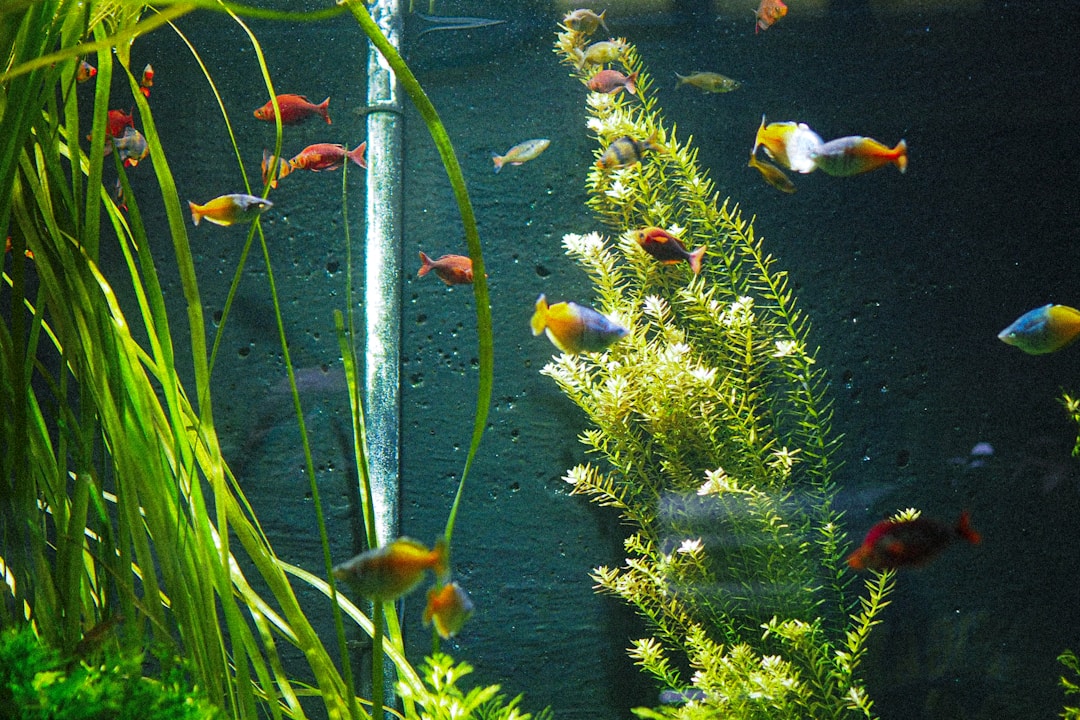
Setting up a goldfish tank correctly before buying fish prevents most beginner failures. Goldfish have specific requirements that differ from tropical fish. This guide covers what you need and how to prepare the tank.
Minimum Requirements
Before buying any fish, prepare these essentials:
- Tank: minimum 60cm length (60-80 liters)
- Filter: rated for tank size with biological media
- Air pump: with airline tubing and airstone
- Dechlorinator: for tap water treatment
- Thermometer: to monitor temperature
- Test kit: for ammonia, nitrite, nitrate
A 60cm tank is the smallest practical size for goldfish. Smaller tanks cannot maintain stable water quality. The 1cm of fish per 1 liter of water rule comes from fishery experts—small tanks exceed this quickly as goldfish grow.
Tank Size Matters
Goldfish produce significant waste and need high oxygen levels. A larger tank dilutes waste, holds more dissolved oxygen, and gives fish room to swim.
Why the 60cm minimum? At this size, the water volume buffers against rapid quality changes. Temperature and chemistry stay more stable. Beneficial bacteria have more surface area in filter media. Fish experience less stress.
Bowl tanks cannot work long-term. The water volume is too small. Waste accumulates faster than bacteria can process. Oxygen depletes quickly. Fish die within weeks.
Water Preparation
Tap water contains chlorine or chloramine to kill bacteria. These chemicals also kill fish and beneficial tank bacteria. You must treat tap water before use.
Dechlorination Methods
-
Chemical dechlorinator: Add to tap water before adding to tank. Follow product instructions. This is the fastest method.
-
Standing water: Let tap water sit 24-48 hours in an open container. Chlorine dissipates naturally. This does not remove chloramine—use chemical treatment if your water supply uses chloramine.
Match new water temperature to tank water. Add slowly to avoid shocking fish.
Filtration System

Goldfish need three types of filtration working together:
Mechanical Filtration
Filter floss or sponge catches physical debris. This removes uneaten food, fish waste, and particles from the water column. Clean mechanical media regularly to prevent clogging.
Biological Filtration
This is the critical component. Porous filter media houses beneficial bacteria that convert toxic ammonia into nitrite, then nitrite into less harmful nitrate. This nitrogen cycle keeps fish alive.
Use ceramic rings, bio balls, or sponge designed for bacteria. These provide surface area for bacterial colonization. Never replace all biological media at once—you would destroy the bacterial colony and restart the cycle.

Chemical Filtration
Activated carbon removes dissolved contaminants, medications, and odors. Use temporarily when needed, not continuously. Replace carbon monthly when active.
Cycling the Tank
The most important step happens before adding any fish. You must establish the nitrogen cycle.
What Cycling Means
Fish constantly produce ammonia through respiration and waste. Ammonia is toxic—it burns gills and causes internal damage. Beneficial bacteria convert ammonia into nitrite (also toxic), then nitrite into nitrate (much less harmful).
A cycled tank has enough bacteria to process ammonia quickly. Test results show zero ammonia, zero nitrite, and some nitrate accumulating.
How to Cycle
- Set up tank with filter and air pump running
- Add dechlorinated water
- Add ammonia source: fish food decaying, or pure ammonia for fishless cycling
- Wait 1-2 weeks, testing daily
- When tests show zero ammonia and zero nitrite, the cycle is established
Never add fish until the cycle completes. Adding fish to an uncycled tank causes “new tank syndrome”—ammonia spikes kill fish within days.
Aeration
Goldfish need more dissolved oxygen than tropical fish. They have high metabolic rates and come from cold-water origins.
An air pump drives air through an airstone, creating bubbles that increase surface agitation. This helps oxygen dissolve into water. Run aeration continuously, especially during warm weather when oxygen dissolves less effectively.
Stagnant water develops low oxygen zones. Fish gasp at the surface when oxygen drops too low. Aeration prevents this problem.
Adding Fish
Once the tank cycles, add fish gradually:
- Start with 1-2 small goldfish
- Float the transport bag in tank water 15-20 minutes to match temperature
- Add small amounts of tank water to the bag over 30 minutes
- Release fish gently into the tank
- Do not add all fish at once—let the bacterial colony adjust to the new waste load
Wait 2-3 weeks before adding more fish. Test ammonia and nitrite frequently during this period.
Ongoing Maintenance
After setup, regular care keeps the tank healthy:
Weekly Water Changes
Replace 20-30% of water weekly. Use dechlorinated water at matching temperature. Siphon debris from the bottom during changes.
Filter Maintenance
Rinse mechanical media in tank water (not tap water) when flow slows. Never clean biological media with chlorinated water—you would kill beneficial bacteria.
Testing
Test ammonia, nitrite, and nitrate monthly. Ammonia or nitrite above zero indicates a problem needing immediate action.
Common Setup Mistakes
- Buying fish the same day as the tank
- Using a bowl or tiny tank
- Skipping the cycling period
- Adding all fish at once
- Overfeeding immediately after setup
- Turning off the filter or air pump at night
Avoid these mistakes and your goldfish setup succeeds from the start.
Comments