Why Is My Goldfish Gasping at the Water Surface: Causes and Solutions
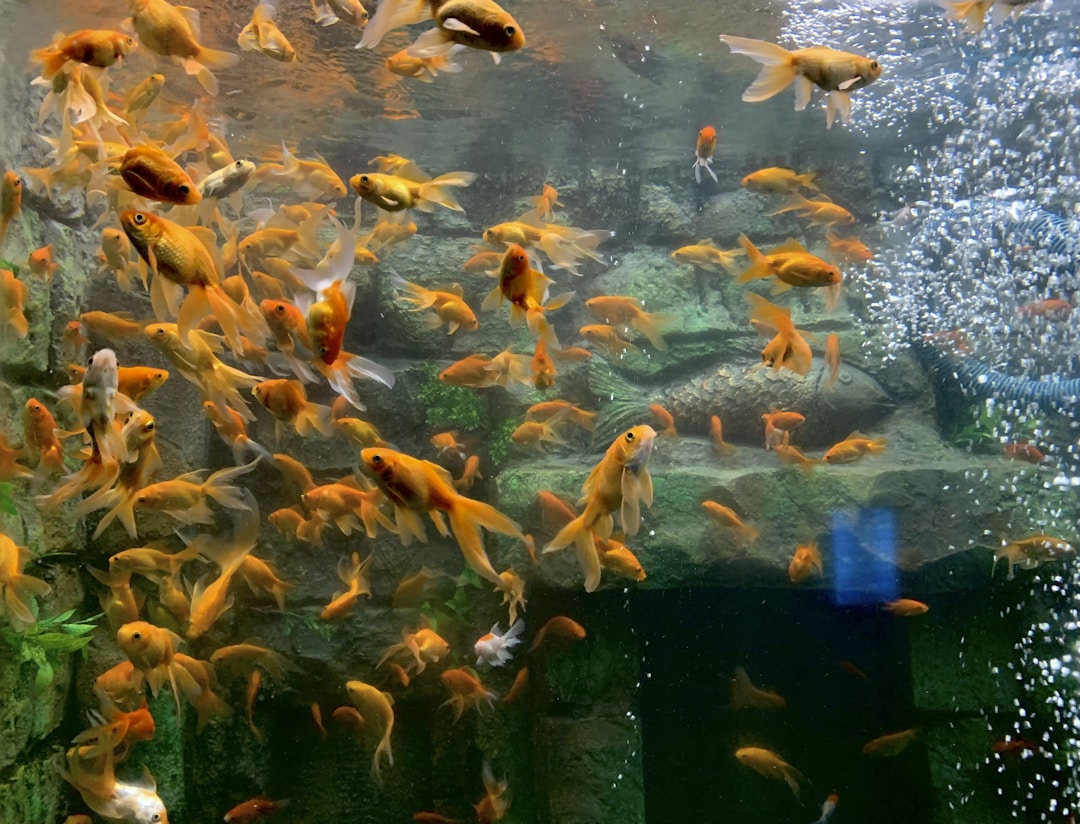
When your goldfish gasps at the water surface, hovering with mouth open and gulping air, this signals a serious problem. The fish is struggling to get enough oxygen from the water. This is an emergency requiring immediate action.
Direct Answer: What Gasping Means
Goldfish gasping at the surface indicates severe oxygen deficiency (hypoxia). The dissolved oxygen in the tank water has dropped below what the fish needs to breathe comfortably. They come to the surface trying to access oxygen-rich water at the air-water interface.
Immediate steps:
- Turn on or increase aeration
- Perform partial water change with cooler dechlorinated water
- Reduce fish density if overcrowded
These actions can save fish within minutes. Gasping is a distress signal—ignoring it leads to death.
Why Goldfish Need More Oxygen
Goldfish have higher oxygen demands than most tropical fish kept in home aquariums. They originate from cold-water carp and maintain high metabolic rates. Their oxygen consumption exceeds that of smaller tropical species.
Several factors make goldfish especially vulnerable to oxygen depletion:
Temperature and Oxygen
Oxygen dissolves better in cooler water. Warm water holds less dissolved oxygen. Goldfish in summer heat, or tanks near heaters, face naturally lower oxygen levels. A 5°C temperature rise significantly reduces available oxygen.
High Metabolic Rate
Goldfish digest food and swim actively. Both processes consume oxygen. Overfed goldfish digest more food, using more oxygen. Active swimming also increases oxygen demand.
Body Size
Larger fish need more oxygen than smaller fish. As goldfish grow, their oxygen requirements increase. A tank that supported small fish may become oxygen-poor as fish grow larger.
Common Causes of Oxygen Depletion
Understanding why oxygen dropped helps you prevent future problems:
1. Overcrowding
Too many fish in too small a tank depletes oxygen rapidly. Each fish consumes oxygen constantly. More fish means faster depletion. The tank cannot replenish oxygen fast enough through natural surface exchange.
2. High Temperature
Summer heat, tanks near windows, or equipment heating the water all raise temperature. Warmer water holds less dissolved oxygen while fish need more oxygen at higher temperatures—a dangerous combination.
3. Stagnant Water
Without surface agitation, oxygen exchange slows. A tank with no air pump, or a filter that barely disturbs the surface, develops oxygen-poor zones. The top layer may have oxygen, but deeper water lacks it.
4. Excess Waste
Decaying uneaten food, accumulated fish waste, and dying plants all consume oxygen as bacteria break them down. Heavy waste loads compete with fish for available oxygen.
5. Algae Blooms
Heavy algae growth uses oxygen at night when photosynthesis stops. Dense algae can deplete oxygen overnight, leaving fish gasping in morning hours.
6. Filter or Air Pump Failure
If equipment stops running, oxygen replenishment stops. A filter turned off overnight, an air pump that failed unnoticed, or a power outage all create oxygen emergencies.
How to Increase Dissolved Oxygen Quickly
When you see gasping, act immediately:
Turn On Air Pump
If you have an air pump, turn it on now. If already running, check that the airstone produces bubbles. Adjust for more surface agitation. Bubbles don’t directly add oxygen—they create surface movement that helps oxygen dissolve.
Perform Water Change
Replace 20-30% of tank water with cooler, dechlorinated water. Cooler water holds more oxygen. The water change also removes waste that consumes oxygen.
Match temperature reasonably—don’t shock fish with a drastic temperature drop. Aim for water 2-3°C cooler than tank water.
Reduce Fish Density
If overcrowded, move some fish to another tank or container with aerated water. Fewer fish means less oxygen demand. This is essential if the tank cannot support the current population.
Surface Agitation
Position filter output to disturb the surface. Adjust hang-on-back filters to create ripples. Increase flow if possible. More surface movement means more oxygen exchange.
Preventing Future Oxygen Problems
After the emergency, prevent recurrence:
Adequate Aeration
Run an air pump with airstone continuously. This maintains surface agitation and prevents stagnant zones. Never turn off aeration at night.
Appropriate Stocking
Follow the 1cm fish length per 1 liter water guideline. For goldfish, this means a 60-80 liter tank minimum, with limited fish numbers. Leave room for fish growth.
Temperature Management
Keep tank away from direct sunlight and heat sources. Monitor temperature in summer. Consider cooling methods if temperature exceeds 25°C.
Regular Maintenance
Weekly water changes remove waste before it depletes oxygen. Clean filter media to maintain flow. Remove uneaten food promptly.
Equipment Check
Verify filter and air pump run properly. Check daily that equipment produces expected output. Consider a backup air pump for emergencies.
When Gasping Might Indicate Other Issues
Sometimes gasping signals problems beyond simple oxygen deficiency:
Ammonia Poisoning
High ammonia damages gills. Fish with burned gills struggle to extract oxygen from water, showing gasping behavior even when oxygen levels are adequate. Test ammonia if fish continue gasping after oxygen remedies.
Ammonia poisoning requires water changes, reduced feeding, and bacterial support to process the ammonia.
Gill Disease
Parasites, bacteria, or fungal infections damage gill tissue. Fish with diseased gills gasp because damaged tissue cannot extract oxygen efficiently.
Look for other signs: swollen gills, red streaks, mucus on gill covers. Treatment depends on the specific disease.
Internal Problems
Some internal conditions affect respiration. Fish with organ damage or systemic illness may gasp without oxygen deficiency.
If oxygen remedies fail and tests show adequate oxygen, investigate disease or internal problems.
Summary: Oxygen Emergency Checklist
When goldfish gasp at surface:
- Turn on air pump immediately
- Change 20-30% water with cooler dechlorinated water
- Increase surface agitation from filter
- Reduce fish numbers if overcrowded
- Test ammonia if gasping continues after oxygen treatment
- Check equipment for failures
Quick action saves fish. Gasping at surface means distress—respond within minutes, not hours.
Comments