FOT vs Reef Tank for Marine Aquarium Beginners: A Practical Decision Guide
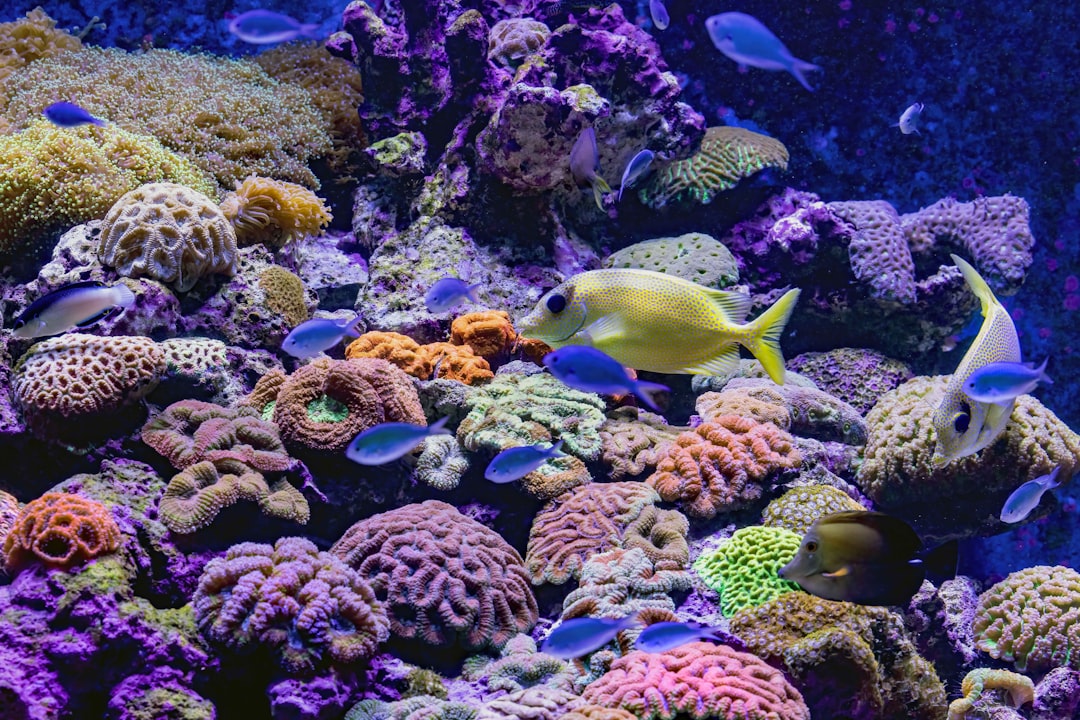
Beginners should start with a Fish Only Tank (FOT) before attempting coral tanks. FOT focuses on fish health without complex water parameter management. Corals require precise calcium, magnesium, alkalinity, and phosphate control that beginners typically mishandle. After mastering FOT fundamentals (quarantine, feeding, disease management), transitioning to LPS or SPS becomes much easier. However, resisting the colorful coral temptation is the real challenge.
Tank Types Explained
Fish Only Tank (FOT)
FOT displays marine fish without corals. The focus is entirely on fish health, disease prevention, and fish compatibility. Water parameters need basic maintenance: salinity, temperature, ammonia, nitrite, and nitrate. No coral-specific chemistry management is required.
LPS Coral Tank
Large Polyp Stony (LPS) corals have larger polyps and thicker skeletons. Examples include Euphyllia (hammer, frogspawn), Favia, and Duncanopsammia. LPS tanks need moderate water parameter control: alkalinity, calcium, and magnesium at stable levels. LPS corals tolerate wider ranges than SPS but still need attention.
SPS Coral Tank
Small Polyp Stony (SPS) corals have tiny polyps and dense branching skeletons. Examples include Acropora, Montipora, and Stylophora. SPS tanks demand precise water chemistry: near-zero nitrate and phosphate, stable alkalinity within 0.1 dKH, and constant calcium and magnesium levels. Even 0.5 dKH alkalinity change can cause tissue recession.
Why Coral Tanks Challenge Beginners
Water Chemistry Complexity
SPS corals require multidimensional parameter management. The daily checklist for a serious SPS keeper includes:
- Alkalinity (dKH) measurement
- Calcium (Ca) measurement
- Magnesium (Mg) measurement
- Nitrate (NO3) measurement
- Phosphate (PO4) measurement
These parameters interact. Calcium consumption affects alkalinity. Magnesium affects calcium solubility. Nitrate and phosphate levels determine coral coloration. Beginners lack experience to recognize parameter drift before corals show stress.
Daily Maintenance Demands
Advanced coral filtration systems require daily attention:
- ZEOvit system: Daily zeolite reactor shaking, precise additive dosing
- Berlin system: Mature live rock maintenance, skimmer adjustment
- FM system: Regular additive management
A ZEOvit system demands daily zeolite shaking to release bacterial byproducts. Missing one day affects bacterial balance. Additive dosing must match coral consumption rates that change as corals grow. SPS growth rates are non-linear; mature colonies consume much more than young frags.
Parameter Instability Consequences
SPS corals react quickly to parameter changes:
- Alkalinity swing of 0.5 dKH causes tissue recession
- Calcium drop below 380 ppm slows growth
- Phosphate spike above 0.1 ppm causes brown coloration
- Nitrate above 5 ppm reduces vibrant colors
Beginners often cannot identify what parameter changed when corals show problems. The reaction happens fast; diagnosis requires experience. One wrong additive dose can stress an entire SPS tank.
FOT Advantages for Learning
Focus on Fish Health Skills
FOT concentrates on teachable skills:
- Quarantine protocol - 30-day isolation, disease observation, treatment
- Proper feeding - Appropriate diet, feeding frequency, food quality
- Disease management - Identifying symptoms, treatment timing
- Fish compatibility - Understanding aggression, territory, schooling
These skills transfer directly to reef tanks. Fish in reef tanks need the same quarantine, feeding, and disease attention. Learning these fundamentals in FOT builds confidence without coral chemistry stress.
Lower Parameter Sensitivity
FOT tolerates wider water parameter ranges:
- Nitrate up to 20-40 ppm is acceptable for fish
- Phosphate levels matter less without corals
- Alkalinity and calcium are not critical parameters
- Temperature range of 24-28°C works for most fish
This tolerance gives beginners room to learn water quality management without constant parameter anxiety. Fish survive minor mistakes. Corals often do not.
Cost-Effective Startup
FOT startup costs are lower:
- No expensive coral lighting required
- Protein skimmer optional, not essential
- No additive dosing equipment needed
- No coral purchases that can die from parameter mistakes
Coral tanks require substantial investment in lighting, additives, test kits, and coral specimens. Beginners who lose corals to chemistry errors lose both money and confidence. FOT lets beginners learn without expensive losses.
Progression Pathway: FOT to LPS to SPS
Recommended Timing
- FOT: 1-2 years minimum - Master quarantine, feeding, disease management
- LPS transition: When fundamentals are solid - Add tolerant corals, learn basic chemistry
- SPS upgrade: After LPS success - Precise chemistry, daily maintenance routine
This progression builds skills incrementally. Jumping directly to SPS is like learning calculus before arithmetic. Some succeed through intense dedication, but most struggle and quit.
Signs You Are Ready for LPS
- Quarantine protocol is consistent and successful
- Fish disease identification and treatment works
- Water quality testing is routine, not stressful
- Nitrate management through water changes is effective
- Temperature and salinity are stable
When these basics feel natural, adding LPS corals introduces chemistry management without extreme precision requirements.
Signs You Are Ready for SPS
- LPS corals grow and show good coloration
- Alkalinity, calcium, magnesium testing is daily routine
- Additive dosing matches coral consumption
- Parameter stability is consistent week to week
- You understand why parameters change and can adjust
SPS requires this level of comfort with water chemistry. The maintenance intensity increases significantly.
The Real Challenge: Resisting Coral Temptation
The visual appeal of colorful corals makes FOT feel boring to some beginners. Reef tank photos show stunning coral gardens. Fish-only tanks seem plain. This visual temptation drives beginners toward reef tanks before they have skills.
Why FOT Is Not Boring
FOT can showcase spectacular fish:
- Angelfish species with mature coloration
- Butterflyfish in adult patterns
- Tang species with full size and color
- Triggerfish with personality and interaction
- Wrasses with active swimming behavior
A well-stocked FOT with mature fish is impressive. The fish grow larger, show full coloration, and interact naturally. A reef tank with tiny fish hiding among corals does not show fish behavior as clearly.
The Coral Trap
Buying a coral because it looks beautiful is easy. Keeping that coral alive requires skills you may not have. Beginners often:
- Add corals to FOT without chemistry preparation
- Watch corals slowly die from unknown parameter issues
- Replace dead corals with new ones, repeating the cycle
- Eventually have a tank with no corals and stressed fish
This cycle wastes money and discourages beginners. Starting with FOT avoids this trap.
Summary: Decision Framework
Choose FOT first if:
- You have less than 1-2 years marine experience
- Quarantine protocol is not yet consistent
- Water quality testing feels unfamiliar
- Budget for equipment is limited
- You want to learn fish husbandry fundamentals
Choose reef tank directly only if:
- You have freshwater reef tank experience (parameters similar)
- You are prepared for daily chemistry testing
- You can afford coral losses while learning
- You accept that early coral deaths are probable
- You are highly dedicated to learning rapidly
For most beginners, FOT is the correct choice. The progression FOT → LPS → SPS builds skills without expensive failures. The colorful coral temptation is real, but patience pays off with better results in the long term.
Comments