How to Treat Dropsy in Fish: Recognizing Pinecone Scales and What to Do
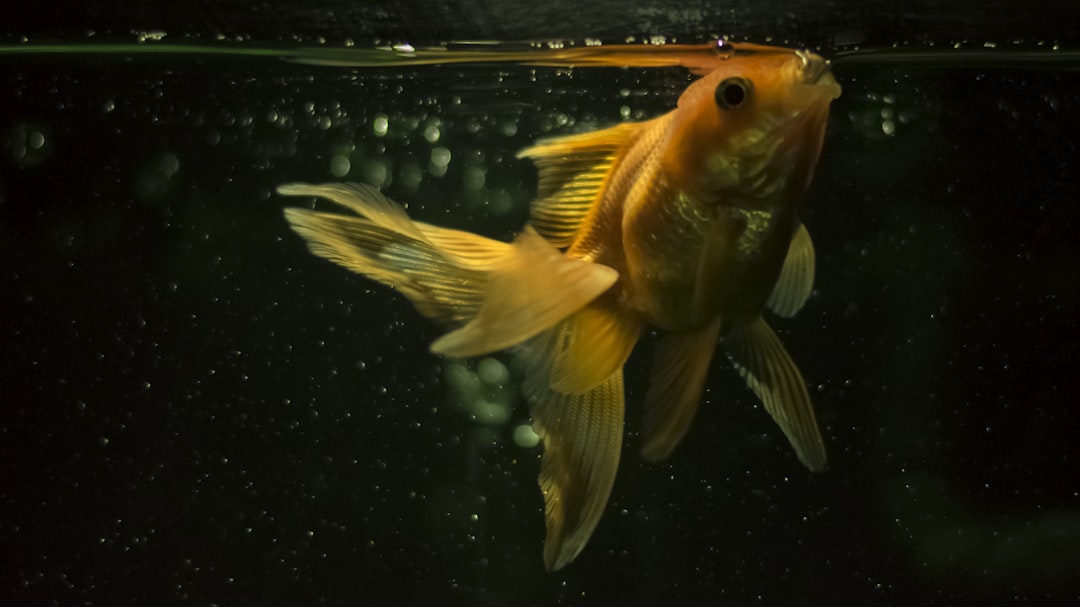
Your fish looks wrong. The body is swollen, rounded instead of sleek. The scales are sticking out like a pinecone. Maybe the fish is lethargic, hovering near the bottom, not eating.
That classic pinecone appearance is dropsy—and it signals internal trouble, usually kidney failure from bacterial infection.
What Dropsy Actually Is
Dropsy is not a single disease. It is a symptom of kidney malfunction.
When the kidneys fail, they cannot regulate fluid balance. Fluid accumulates inside the fish’s body cavity. This internal pressure pushes outward, causing the belly to bloat and scales to protrude.
The underlying cause is usually bacterial infection of the kidneys. The bacteria damage kidney tissue until the organ cannot function. By the time you see pinecone scales, the infection is advanced.
Why Treatment Is Difficult
Dropsy is internal. The bacteria are inside the kidneys, not on the skin surface.
Water-based medications—dosing the tank with antibiotics—do not reach the infected organs effectively. The fish needs antibiotics delivered internally, through food.
This is why dropsy has a poor prognosis. The fish must eat medicated food, but many dropsy fish stop eating because they feel sick.
Recognizing the Symptoms
Look for these signs:
- Scale protrusion: The defining symptom. Scales stick out like a pinecone, especially visible from above.
- Body swelling: The abdomen looks rounded or balloon-like.
- Lethargy: Fish may hover motionless, often near the bottom.
- Reduced appetite: Fish may refuse food entirely.
- Pale gills or sunken eyes: Sometimes present in advanced cases.
Scale protrusion alone does not always mean dropsy. If scales stick out but the body is not bloated, that could be a different condition. True dropsy combines both swelling and pinecone appearance.
The Treatment Approach
If your fish is still eating, you have a chance. The protocol focuses on medicated food.
Step 1: Prepare Medicated Food
You need antibiotics mixed into food. The recommended options:
- Chloramphenicol (Chloromycetin): Traditional choice for dropsy
- Tetracycline or Oxytetracycline: Broad-spectrum alternative
Dosage: Mix antibiotics at roughly 1% ratio into the food. One 250mg antibiotic capsule per 25 grams of flake food is a practical measure.
How to prepare:
- Crush the antibiotic capsule contents into powder
- Mix thoroughly with flake food or thawed frozen food
- Let the mixture dry slightly if using frozen food
- Feed this medicated food as the only food source
Step 2: Keep Fish Hungry
Do not feed normal food alongside medicated food. The fish should be hungry enough to eat the medicated portions quickly.
If the fish refuses medicated food entirely, the treatment cannot work.
Step 3: Improve Water Quality
Dropsy often strikes fish in poor water conditions. Check your parameters:
- Ammonia should be zero
- Nitrite should be zero
- pH should be stable
Do a water change before starting treatment. Clean water reduces stress and supports the fish’s immune response.
Step 4: Consider a Hospital Tank
Isolate the sick fish if you can. This lets you focus treatment without affecting tankmates and makes water quality management easier.
Dropsy rarely spreads directly between fish—the bacteria are internal. But a hospital tank gives you better control.
Step 5: Monitor and Accept Reality
Watch the fish over several days. If appetite returns and swelling reduces, treatment is working.
If the fish stops eating completely or swelling worsens despite medicated food, prognosis is poor. Many dropsy cases do not recover.
Water-Based Treatment as Last Resort
If the fish will not eat, you can try antibiotics in the water—but expect limited results.
Add antibiotic at 10 mg per liter of tank water. This approach is less effective than medicated food because the drug does not reach the kidneys in adequate concentration.
This is worth trying when the fish refuses all food, but understand that success rates are low.
Supporting Measures
Some aquarists add Epsom salt (magnesium sulfate) at 1-3 teaspoons per 5 gallons as supportive care. Epsom salt may help reduce fluid retention slightly, but it does not cure the underlying bacterial infection.
Do not confuse Epsom salt with regular aquarium salt. Epsom salt contains magnesium, not sodium chloride.
When to Consider Euthanasia
If the fish:
- Has stopped eating for multiple days
- Shows worsening swelling
- Cannot swim upright or maintain balance
- Appears to be suffering with no improvement after a week of treatment
Many experienced fishkeepers choose euthanasia at this point. Dropsy often means irreversible kidney damage.
Clove oil is a humane method: add clove oil gradually to a container with the fish until the fish falls asleep, then add more to ensure death before removing.
Preventing Dropsy
Dropsy targets weakened fish. Prevention focuses on keeping fish healthy:
- Maintain excellent water quality: Zero ammonia and nitrite, regular water changes
- Avoid overcrowding: Overcrowding stresses fish and degrades water
- Feed a varied, quality diet: Poor nutrition weakens immune function
- Quarantine new fish: New arrivals may carry bacteria that trigger outbreaks in stressed tank residents
- Watch for early signs: Lethargy or reduced appetite may appear before swelling—act early
Dropsy rarely strikes fish in clean, well-maintained tanks with good nutrition. The bacteria take hold when fish are already compromised.
Summary
Dropsy is kidney failure from bacterial infection. The pinecone-scale appearance comes from internal fluid pressure. Treatment requires antibiotic-medicated food mixed at roughly 1% ratio, fed exclusively to a hungry fish.
Prognosis is uncertain. Many fish survive, many do not—especially those that stop eating. Water-based antibiotics are a last resort with low success rates.
Prevent dropsy by maintaining excellent water conditions and avoiding stress. The bacteria need a weakened host to cause serious infection.
Comments