Sponge vs HOB vs Canister Filter: Which Aquarium Filter Is Best for Your Tank
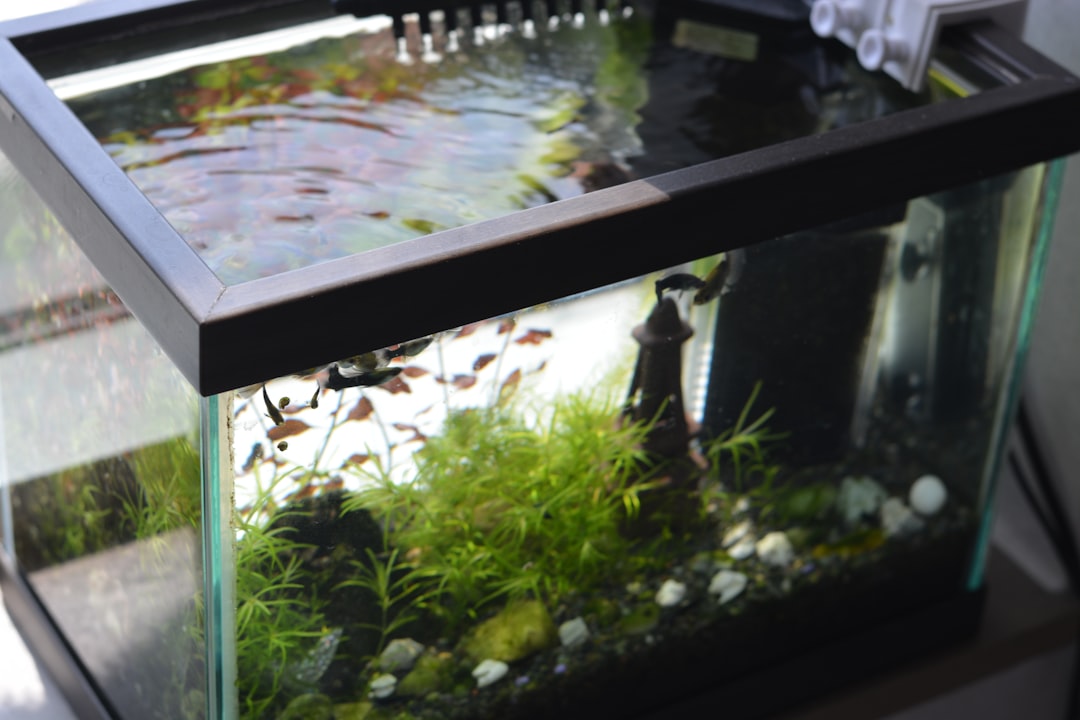
Choosing the right aquarium filter matters more than most beginners realize. The wrong choice leads to dead spots, insufficient circulation, or wasted money on equipment that does not match your tank’s needs.
The best filter depends on your tank purpose and size: sponge filters are ideal for breeding tanks and small aquariums under 10 gallons; HOB (hang-on-back) filters are perfect for beginners and work for all tank sizes with low maintenance; canister filters are best for large tanks over 30 gallons with heavy stocking where extra power and discretion are needed.
Why Filter Choice Matters
Your filter is the heart of your aquarium’s nitrogen cycle. Beneficial bacteria colonize the filter media and convert toxic ammonia into less harmful compounds. Without adequate filtration, your fish suffer from ammonia spikes, cloudy water, and stress-related illness.
Each filter type has distinct strengths that match specific tank needs:
- Sponge filters provide gentle flow that won’t disturb fry or shrimp
- HOB filters offer the simplest cleaning routine for beginners
- Canister filters deliver powerful filtration that can be hidden under the tank stand
Matching filter type to tank purpose prevents common problems like dead spots, insufficient circulation, or unnecessary expense.
Sponge Filters: Simple and Gentle
How They Work
A sponge filter uses an air pump to pull water through a porous sponge. The sponge itself serves as both mechanical and biological filtration. Debris gets trapped in the sponge, while beneficial bacteria grow on its surface.
Pros
- Gentle flow: Perfect for fry, shrimp, and betta tanks where strong currents cause stress
- Safe for small fish: No intake tube that can suck up tiny fish
- Low cost: Typically under $15 for the filter body
- Easy maintenance: Just rinse the sponge in tank water during water changes
- Reliable: No moving parts inside the tank, unlikely to fail catastrophically
Cons
- Unattractive: The sponge sits inside the tank, visible to viewers
- Limited circulation: Cannot create strong water movement for larger tanks
- Air pump required: You need a separate air pump, which adds noise
- Not ideal for heavy stocking: Struggles to process waste from densely populated tanks
Ideal Use Cases
- Breeding tanks with fry
- Shrimp-only tanks
- Nano tanks under 10 gallons
- Hospital tanks where gentle conditions help recovery
- Quarantine tanks for new fish
HOB Filters: The Beginner Standard
How They Work
A hang-on-back filter hangs on the outside of your tank. An intake tube draws water up from the tank, passes it through filter media inside the filter body, and returns it via a spillway. Most HOB filters contain compartments for mechanical, biological, and chemical media.
Pros
- Easy to maintain: Lift the lid, remove media, rinse or replace
- Visible media: You can see when the cartridge needs cleaning
- Good circulation: Creates surface agitation for oxygen exchange
- Affordable: Most models cost $20-50
- Widely available: Every pet store stocks HOB filters and replacement cartridges
- Customizable: You can replace standard cartridges with better media
Cons
- Visible on tank: The filter body hangs outside, partially blocking the tank view
- Cartridge cost: Replacement cartridges add ongoing expense
- Limited media space: Smaller HOB filters have limited room for biological media
- Surface agitation: Some fish prefer calm water, and HOB filters always create surface movement
Ideal Use Cases
- Beginner display tanks
- Community tanks of any size
- Tanks up to 75 gallons (use two HOB filters for larger tanks)
- Planted tanks that need moderate circulation
Canister Filters: Power and Customization
How They Work
A canister filter sits under your tank, connected by intake and return hoses. Water flows down into the canister, passes through multiple media trays, and returns via a pump. The sealed design allows multiple media types and high flow rates.
Pros
- Hidden equipment: The canister sits under the tank, out of sight
- Large media capacity: Multiple trays hold substantial biological media
- High flow rate: Processes large volumes of water quickly
- Customizable: You can arrange media exactly how you want
- Inline accessories: Support CO2 diffusers, UV sterilizers, and glass lily pipes
- Quiet operation: Most quality canisters run quietly
Cons
- Higher cost: Quality canisters start around $100 and go up
- Complex maintenance: Opening, cleaning, and reassembling takes more effort
- Space required: You need room under the tank stand
- Prime required: Canisters need priming after cleaning to restart flow
Ideal Use Cases
- Large tanks over 30 gallons
- Heavily stocked tanks
- Aquascaped display tanks where aesthetics matter
- Planted tanks with CO2 injection (inline diffusers fit easily)
- Turtle tanks with high waste production
How to Calculate GPH
GPH (gallons per hour) measures how much water your filter processes. A common recommendation is 4-6 times your tank volume per hour for most freshwater setups.
Examples:
- 10-gallon tank: 40-60 GPH needed
- 20-gallon tank: 80-120 GPH needed
- 55-gallon tank: 220-330 GPH needed
For tanks with heavy stocking or messy fish like goldfish, aim for 8-10 times tank volume.
Note: Manufacturer GPH ratings assume empty media chambers. In practice, filled media reduces actual flow by 30-50%. Choose a filter rated higher than your minimum GPH.
Decision Checklist
Ask yourself these questions before choosing:
- Tank size: Under 10 gallons? Consider sponge. Over 30 gallons? Consider canister.
- Livestock: Fry, shrimp, or bettas? Sponge filter. Community fish? HOB or canister.
- Budget: Under $50 total? Sponge or HOB. Can spend more? Canister.
- Aesthetics: Equipment must be hidden? Canister only.
- Maintenance tolerance: Want simple weekly cleaning? HOB or sponge. Willing to do monthly deep cleaning? Canister.
- Stocking density: Light stocking? Any filter works. Heavy stocking? Canister preferred.
Common Mistakes
Choosing Based on Price Alone
A $10 sponge filter works perfectly for a 5-gallon shrimp tank but fails miserably in a 55-gallon community tank. Budget matters, but matching capacity to tank size matters more.
Ignoring Biological Media Capacity
Many beginners replace HOB cartridges entirely, throwing away established biological media each month. This crashes the nitrogen cycle. Instead, keep old cartridges running alongside new ones for two weeks before removing the old one.
Overfiltering Small Tanks
Putting a powerful canister on a 10-gallon tank creates excessive flow that stresses small fish. Sponge filters or small HOB filters match nano tanks better.
Buying Too Small for Large Tanks
A single small HOB cannot handle a 75-gallon tank. Either buy a large canister or run two appropriately sized HOB filters.
Quick Comparison Table
| Feature | Sponge Filter | HOB Filter | Canister Filter |
|---|---|---|---|
| Best tank size | Under 10 gal | Any size | Over 30 gal |
| Cost | $10-20 | $20-50 | $100-300 |
| Maintenance | Easy | Easy | Moderate |
| Visibility | Inside tank | On tank edge | Hidden below |
| Flow strength | Gentle | Moderate | Strong |
| Media capacity | Limited | Moderate | Large |
| Ideal for fry/shrimp | Yes | No | No |
| CO2 compatible | No | Partial | Yes |
Summary
The right aquarium filter matches your tank’s needs, not the most expensive option or the cheapest one. Sponge filters protect fry and shrimp with gentle flow. HOB filters give beginners simple maintenance for community tanks. Canister filters deliver power and customization for large or heavily stocked displays.
Start by measuring your tank volume, deciding your livestock, and checking your budget. Then pick the filter type that fits all three. The nitrogen cycle depends on it.
Comments