How to Test and Fix Ammonia, Nitrite, and Nitrate in Aquarium Water
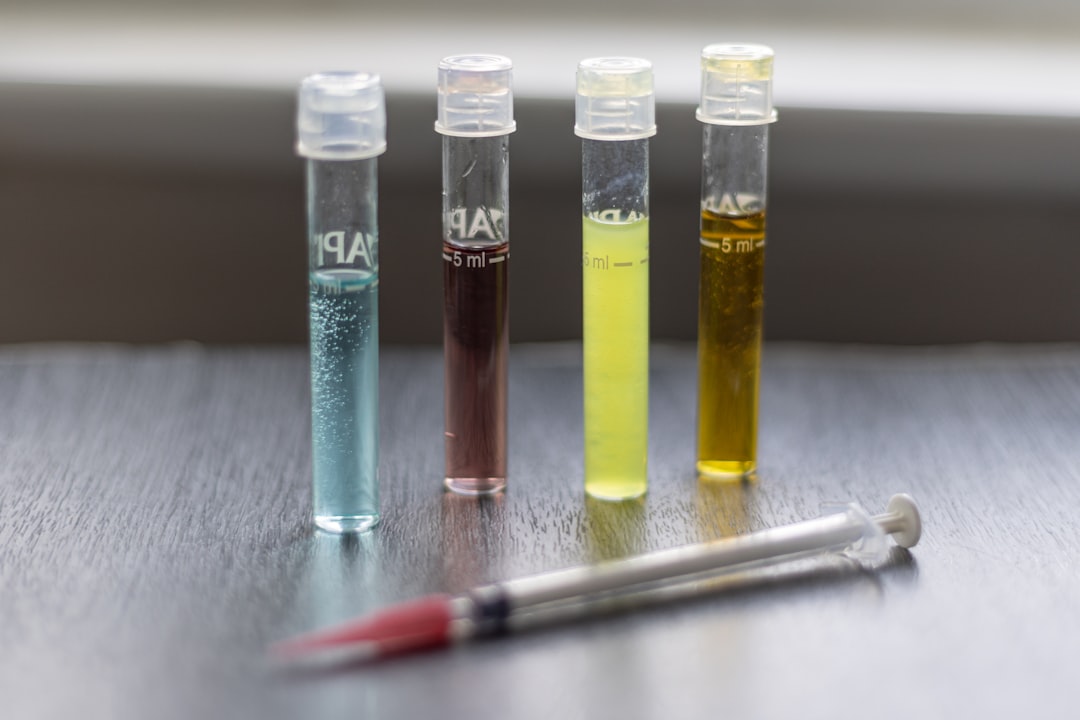
Testing your aquarium water for ammonia, nitrite, and nitrate is not optional. These three compounds tell you whether your biological filter is working and whether your fish are safe.
What Your Water Should Read
In a fully cycled, healthy aquarium:
- Ammonia: 0 ppm
- Nitrite: 0 ppm
- Nitrate: 5–20 ppm
Any detectable ammonia or nitrite means something is wrong. Both compounds are toxic to fish. Nitrate is less harmful, but levels above 40 ppm can stress fish over time.
Why Testing Matters
Ammonia and nitrite kill fish. Ammonia burns gills and damages internal organs. Nitrite blocks oxygen transport in blood, causing fish to gasp at the surface even in well-oxygenated water.
The nitrogen cycle works like this: fish waste produces ammonia → beneficial bacteria convert ammonia to nitrite → other bacteria convert nitrite to nitrate → you remove nitrate through water changes or plants.
When the cycle breaks, ammonia or nitrite appear in the water column. Testing catches the problem before fish show visible distress.
How to Test Accurately
Use a liquid test kit, not test strips. The API Freshwater Master Test Kit is the standard recommendation for beginners. Liquid kits detect smaller changes and are more reliable.
Follow these steps for accurate readings:
- Rinse test tubes with tank water before each test
- Fill to the marked line, not above or below
- Add drops exactly as the instructions specify
- Shake the tube for the recommended time
- Read results in daylight, not under yellow indoor lighting
- Compare colors immediately after shaking
Test weekly in established tanks. Test daily during cycling or after any disruption (new fish, medication, filter cleaning).
What to Do When Ammonia Appears
Ammonia at 0.25 ppm or higher requires action. The response depends on the level:
0.25 ppm or less: Wait 24 hours and test again. Low readings sometimes resolve as bacteria process the ammonia naturally.
0.5 ppm or higher: Take immediate steps:
- Add Seachem Prime to detoxify ammonia temporarily
- Reduce feeding to lower waste production
- Add beneficial bacteria (Seachem Stability or similar)
- Perform a 25–50 percent water change
Above 1 ppm: This is dangerous. Perform a large water change (50 percent or more), add Prime, and stop feeding for 24–48 hours. Check whether your filter media is clogged or your biological filter was disrupted.
Prime binds ammonia for about 24–48 hours. It does not remove ammonia permanently. You still need to fix the underlying cause—usually insufficient bacteria, overfeeding, or a disrupted cycle.
What to Do When Nitrite Appears
Nitrite is as dangerous as ammonia. It blocks blood oxygen transport, causing “brown blood disease.”
If nitrite reads above 0 ppm:
- Perform an immediate water change (25–50 percent)
- Add Prime (it also detoxifies nitrite)
- Increase aeration—fish need more oxygen when nitrite blocks their blood
- Add beneficial bacteria to speed nitrite processing
- Reduce feeding
Test daily until nitrite returns to 0 ppm. Nitrite spikes often occur during cycling or after cleaning filter media too aggressively.
Keeping Nitrate in Range
Nitrate accumulates over time. Plants absorb some nitrate, but most tanks need water changes to keep levels manageable.
Target 5–20 ppm for general freshwater tanks. Levels above 40 ppm stress most fish. Very high nitrate (above 80 ppm) can cause health problems over weeks or months.
To lower nitrate:
- Perform regular water changes (20–30 percent weekly)
- Add live plants to absorb nitrate naturally
- Reduce feeding—less food means less waste
- Check whether your tap water already contains nitrate (some municipal water supplies do)
Do not rely solely on chemicals to remove nitrate. Water changes and plants are safer and more sustainable.
When the Cycle Is Complete
A tank is fully cycled when both ammonia and nitrite read 0 ppm for seven consecutive days. Test daily during the first weeks after setup. Once readings are stable, weekly testing is enough.
A cycled tank can still spike if something disrupts the bacteria: deep cleaning of filter media, medication that kills bacteria, a sudden increase in fish load, or overfeeding.
Common Mistakes
Adding Prime at every small reading: Prime is for emergencies. If ammonia reads 0.25 ppm and your tank is cycled, wait and test again. Bacteria often process it within 24 hours.
Cleaning filter media too thoroughly: Never scrub biological media in tap water. Chlorine kills beneficial bacteria. Rinse gently in tank water during water changes.
Testing right after a water change: Wait at least 30 minutes after adding new water before testing. The fresh water dilutes compounds temporarily, giving misleading readings.
Ignoring nitrate: Nitrate builds up slowly. High nitrate does not cause immediate death, but it weakens fish over time. Test weekly and change water regularly.
Quick Reference
| Parameter | Safe Level | Action if Above |
|---|---|---|
| Ammonia | 0 ppm | Water change, Prime, add bacteria, reduce feeding |
| Nitrite | 0 ppm | Water change, Prime, add bacteria, increase aeration |
| Nitrate | 5–20 ppm | Water change, add plants, reduce feeding |
Test weekly, act immediately on ammonia or nitrite, and keep nitrate below 40 ppm. Your fish will stay healthy as long as the nitrogen cycle runs smoothly.
Comments