How to Maintain Stable pH in Your Aquarium: Understanding KH and GH
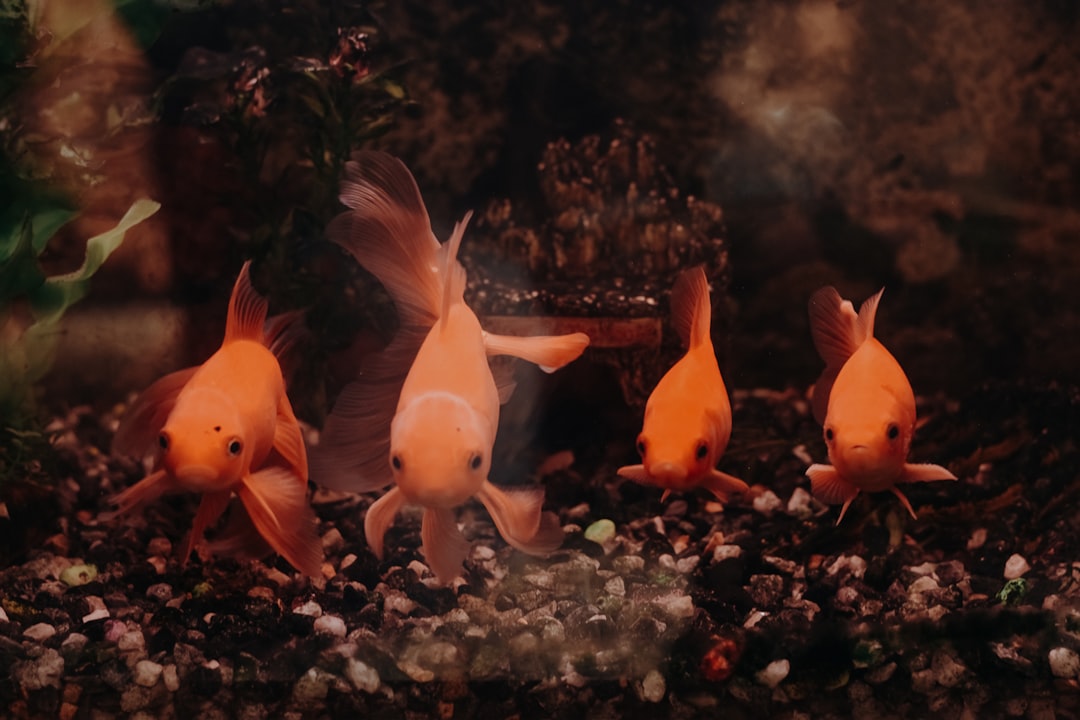
pH stability depends on one parameter most beginners ignore: carbonate hardness, or KH. When KH drops too low, pH can crash overnight, stressing or killing fish even when everything else looks fine.
What KH Does
KH (carbonate hardness) measures your water’s ability to resist pH changes. It is the buffering capacity. Think of KH as a shock absorber for pH.
Fish waste, decaying food, and plant respiration all produce acids. When KH is sufficient, those acids are neutralized gradually. pH stays stable. When KH is too low, acids accumulate unchecked. pH drops suddenly, often overnight.
GH (general hardness) measures calcium and magnesium. GH supports fish health and plant growth, but it does not directly buffer pH. Many beginners confuse KH and GH, treating them as the same thing. They are different.
Ideal Ranges
For most freshwater tanks:
- KH: 3–6 dKH (50–100 ppm)
- GH: 4–8 dGH (70–140 ppm)
Planted tanks often target the same ranges. Some species prefer softer water: discus, some tetras, and bettas can tolerate lower KH and GH. Livebearers (guppies, mollies, platies) prefer harder water.
If your KH drops below 3 dKH, you are at risk for a pH crash.
How pH Crashes Happen
A pH crash is a sudden drop, often from 7.0 to below 6.0 in hours. It happens when KH is too low to buffer acids.
Signs of a pH crash:
- Fish gasping at the surface
- Fish hiding or acting lethargic
- pH reading suddenly much lower than yesterday
- KH reading near or below 2 dKH
pH crashes stress fish immediately. Some species tolerate acidic water, but sudden changes damage gills and disrupt internal balance.
Testing KH and GH
Test KH and GH monthly in established tanks. Test weekly during cycling, after major water changes, or if you use RODI water.
The API GH & KH Test Kit is straightforward. You add drops until the water changes color. Each drop equals one degree of hardness.
If you use RODI (reverse osmosis deionized) water, you must remineralize before adding it to the tank. RODI water has 0 KH and 0 GH. Adding pure RODI water dilutes your tank’s buffering capacity, making pH crashes more likely.
If KH Is Low
KH below 3 dKH needs correction. Options:
Seachem Alkaline Buffer: Add during water changes to raise KH. Follow the dosing instructions on the bottle. Test after adding to confirm you reached the target.
Crushed coral: Add to your filter or substrate. Coral slowly releases carbonate, raising KH over time. This is a passive approach, less precise but steady.
Water changes with buffered water: If your tap water has decent KH, regular water changes replenish buffering capacity. Test your tap water’s KH to know what you are adding.
Do not try to raise pH directly with chemicals. If KH is low, pH will crash again. Fix KH first, and pH will stabilize on its own.
If GH Is Low
GH below 4 dGH means your water lacks calcium and magnesium. Fish need these minerals for bone and scale health. Plants need them for growth.
To raise GH:
- Add Seachem Equilibrium during water changes
- Use mineral-rich substrate for planted tanks
- Choose tap water with natural hardness if available
GH does not crash like KH. It slowly depletes over time. Regular water changes usually maintain adequate GH unless your source water is very soft.
TDS as a Quick Check
TDS (total dissolved solids) measures everything in your water: KH, GH, salts, nutrients, organics. A TDS meter gives a quick stability check.
If TDS drifts slowly over weeks, parameters are changing gradually. If TDS jumps suddenly, something shifted fast. Use TDS as an early warning, then test KH, GH, and pH to see what changed.
Weekly and Monthly Routine
Weekly:
- Test ammonia, nitrite, nitrate
- Check TDS for quick stability check
Monthly:
- Test KH and GH
- Test pH
- Compare to previous readings
Keep a simple log. Write down each reading. Patterns reveal problems before they become emergencies.
Common Mistakes
Ignoring KH: Many beginners test pH but never test KH. pH looks stable until KH drops below 2, then crashes happen.
Using pure RODI without remineralizing: RODI water is pure but unstable. You must add minerals and buffer before use.
Trying to adjust pH directly: Adding pH-up or pH-down chemicals does not fix the underlying buffering problem. Fix KH first.
Deep cleaning all filter media at once: This can remove bacteria and organic matter that contribute to stability. Clean gently and in stages.
Summary Table
| Parameter | Ideal Range | If Too Low |
|---|---|---|
| KH | 3–6 dKH | Add Alkaline Buffer or crushed coral |
| GH | 4–8 dGH | Add Equilibrium or mineral supplement |
| pH | 6.5–7.5 (varies by species) | Fix KH first, pH will follow |
Test KH monthly, maintain it above 3 dKH, and your pH will stay stable. Ignore KH, and you risk overnight crashes that stress or kill fish.
Comments