7 Common Mistakes When Treating Freshwater Fish Diseases
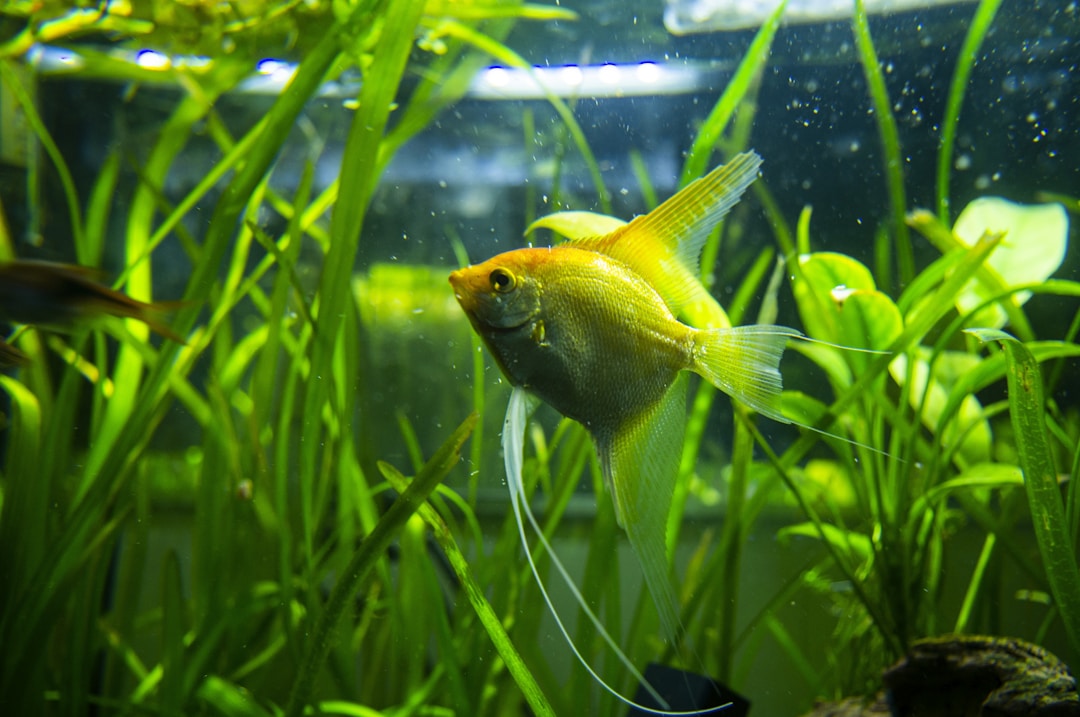
Fishkeepers who have tried treating sick fish but failed usually made at least one common error. The most frequent mistakes are medicating without identifying the disease, using multiple medications at once, ignoring water quality, dosing incorrectly, stopping treatment too early, and failing to isolate sick fish.
Understanding these mistakes helps you slow down, follow a proper process, and increase your success rate.
Mistake 1: Treating Without Diagnosis
You see a fish acting strange. Maybe it is hiding, not eating, or breathing fast. The first instinct is to grab whatever medication you have on hand.
This is the most common reason treatments fail. Different diseases need different treatments. Ich requires anti-parasitic medication. Fin rot needs antibacterial treatment. Fungal patches need antifungal. Using the wrong category of medication does nothing for the actual problem and may stress the fish further.
How to fix it: Before any treatment, spend time watching your fish. Identify at least one specific symptom—white spots, ragged fins, swollen body, cloudy eyes. Match that symptom to a probable disease. Only then choose a treatment.
Mistake 2: Mixing Multiple Medications
Some fishkeepers add one medication, see no improvement in a day, and add another. Others dump several products at once hoping to cover all possibilities.
Combining medications risks chemical interactions that become toxic to fish. Some treatments neutralize each other. Others overwhelm the biological filter, causing ammonia spikes while fish are already weak.
Brand care systems emphasize one product per treatment stage. Follow that principle. Use one medication at a time unless the label explicitly recommends combination use.
How to fix it: Choose one treatment based on your diagnosis. Give it the full recommended duration before switching. If you need to change treatments, do a water change first to remove the previous medication.
Mistake 3: Ignoring Water Quality Before Treatment
Fish disease often starts because water quality is poor. High ammonia burns gills. High nitrite prevents oxygen transport. Low oxygen stresses the entire tank.
Adding medication to toxic water does not fix the underlying problem. The fish stays stressed, the medication may fail, and the biological filter (if still alive) takes another hit.
How to fix it: Test ammonia, nitrite, and nitrate before treating. If ammonia or nitrite is detectable, do a water change first. Treat water quality as the first step in any disease response.
Mistake 4: Wrong Dosage
Underdosing leaves pathogens alive to rebound. Overdosing can kill fish directly, especially sensitive species like tetras, scaleless fish, or invertebrates.
Some fishkeepers guess based on tank size rather than measuring. Others use old bottles with faded labels. A few forget that some medications require multiple doses over several days.
How to fix it: Read the label carefully. Measure your tank volume accurately—do not guess. Use the exact dosage stated. If the treatment requires multiple doses, mark the days on a calendar or set reminders.
Mistake 5: Stopping Treatment Too Early
You see improvement after two days. The fish is eating again. The white spots look smaller. You stop the treatment early because “it seems fine.”
Partial treatment often leaves surviving pathogens. Ich, for example, has a life cycle where the visible spots are only one stage. Medication may kill parasites attached to fish, but free-swimming stages survive if you stop early. The disease returns stronger.
How to fix it: Follow the full recommended duration even if fish look better. Most treatments require at least several days. Some need a full week or more. Trust the instructions, not your visual impression.
Mistake 6: Not Isolating Sick Fish
One fish shows symptoms. You treat the whole tank. This works sometimes, but it also exposes healthy fish to medication, stresses the entire population, and can damage your biological filter.
If you have a quarantine tank, use it. Treating one fish in a smaller volume:
- Uses less medication
- Lets you monitor closely
- Protects healthy fish
- Preserves your main tank’s stability
How to fix it: Set up a quarantine tank before you need it. When a fish shows symptoms, move it to quarantine if possible. Treat there, then return the fish to the main tank only after full recovery.
Mistake 7: Using Expired or Wrong Medications
Old medications lose potency. Labels fade. You might not remember what a bottle was for. Some fishkeepers buy products meant for ponds or marine tanks and use them in freshwater.
Expired medication may not work at all. Worse, some degrade into compounds harmful to fish. Products labeled for saltwater or ponds may contain ingredients unsafe for freshwater species.
How to fix it: Check expiration dates before use. Discard old or faded bottles. Buy medications labeled for freshwater aquarium use. Store products in a cool, dry place away from light.
The Right Way to Treat
To avoid all seven mistakes, follow this sequence:
- Observe until you can name a specific symptom.
- Test water for ammonia and nitrite before medication.
- Isolate if you have a quarantine tank and only one fish is sick.
- Choose one treatment matching your diagnosis.
- Read the full label instructions.
- Dose exactly as directed.
- Continue for the full duration, even if fish improve early.
This process takes more time than grabbing a random bottle. It also saves more fish.
Comments