Complete Equipment Checklist for Setting Up a Freshwater Fish Tank
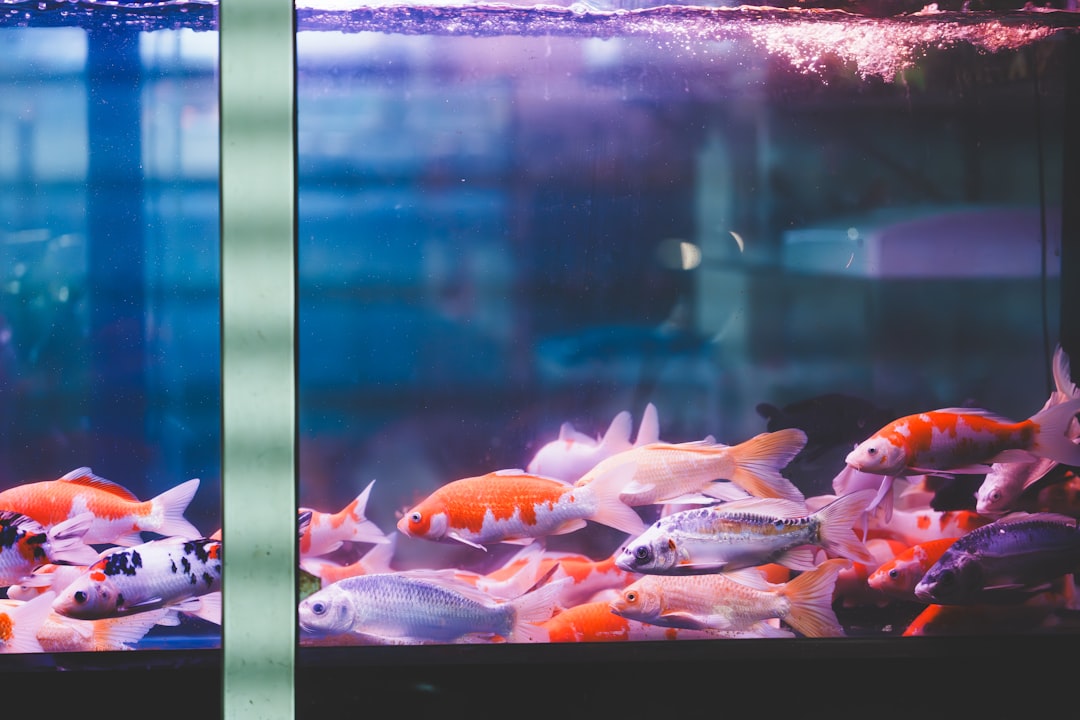
A beginner freshwater aquarium setup requires: aquarium, lid, heater, filter, lighting, substrate, decorations, dechlorinator, fish food, test strips, and siphon. Expect to spend around $200 or more for new equipment. Each item has specific selection criteria based on tank size, fish species, and whether you keep live plants.
The Essential Checklist
| Item | Purpose | Budget Estimate |
|---|---|---|
| Aquarium | Holds water and fish | $30-100 |
| Lid | Prevents jumping, reduces evaporation | $15-30 |
| Heater | Maintains stable temperature | $15-25 |
| Filter | Cleans water, houses beneficial bacteria | $10-30 |
| Lighting | Illuminates tank, supports plants | $20-50 |
| Substrate | Bottom layer, anchors plants | $10-25 |
| Decorations | Provides hiding spots, visual appeal | $15-40 |
| Dechlorinator | Removes chlorine from tap water | $8-15 |
| Fish food | Daily nutrition | $5-10 |
| Test strips | Monitors water quality | $10-20 |
| Siphon | Vacuums gravel, drains water | $10-15 |
Aquarium: Size and Material
Tank Size
Many beginners choose a 10-gallon tank first. Larger tanks (20 gallons or more) are actually easier to maintain because more water dilutes toxins and stabilizes temperature. A 20-gallon long tank provides more swimming space than a tall 20-gallon.
Glass vs Acrylic
- Glass tanks: Cheaper, scratch-resistant, heavier. Most beginners start here.
- Acrylic tanks: Lighter, stronger seams, better insulation, but scratch easily and cost more.
Avoid rimless tanks as a beginner. They cost more and lack lids, making them harder to manage.
Location
Place the tank on a level surface near an electrical outlet. Keep it away from windows (sunlight causes algae) and heating vents. Check that the floor can support the weight—a filled 20-gallon tank weighs about 170 pounds.
Aquarium Lid
A lid saves money long-term. It reduces evaporation, keeps heat inside, and prevents fish from jumping out. Many fish jump when startled or during water changes.
Glass lids cost more but last longer and let more light through. Acrylic lids are cheaper but can warp over time.
Heater and Thermometer
Wattage Guide
Choose a heater rated at 5 watts per gallon. For a 20-gallon tank, use a 100W heater. In cold rooms (below 70°F), double the wattage.
| Tank Size | Standard Wattage | Cold Room Wattage |
|---|---|---|
| 10 gallon | 50W | 100W |
| 20 gallon | 100W | 200W |
| 30 gallon | 150W | 300W |
Adjustable heaters let you set exact temperature. Preset heaters (usually 78°F) work but offer less flexibility for sick fish treatment or species that prefer different temperatures.
Thermometer
Always add a thermometer. Heater thermostats can fail, and temperature swings stress fish. A simple stick-on thermometer costs under $5.
Filter: Why Sponge Filters Work for Beginners
Sponge filters are the easiest choice for new hobbyists. They work by pulling water through a foam sponge that traps debris and houses beneficial bacteria.
Advantages of sponge filters:
- Easy installation: Connect an air pump and airline tubing
- Simple maintenance: Rinse the sponge in tank water during water changes
- Safe for small fish: No intake slots that can trap fry
- Reliable biological filtration: The entire sponge surface grows bacteria

Canister filters and hang-on-back filters offer more mechanical filtration but require more setup and cleaning. For your first tank, a sponge filter is hard to beat.

Lighting
Basic LED lights work for fish-only tanks. If you plan live plants, choose a light rated for planted aquariums. Plants need specific spectrum and intensity to grow.
Use a timer to control lighting. Eight hours of light per day prevents algae growth. Leaving lights on 12+ hours causes algae blooms.
Substrate and Decorations
Substrate Options
- Gravel: Easy to clean, works for most fish
- Sand: Better for bottom-dwelling fish like corydoras
- Plant substrate: Contains nutrients for rooted plants
Rinse substrate before adding it to remove dust. Un-rinsed gravel causes cloudy water for days.
Decorations
Fish need hiding spots. Rocks, driftwood, and artificial caves provide shelter. Live plants add natural cover and help maintain water quality.
Avoid sharp decorations that can tear fins. Choose smooth-edged rocks and rounded gravel.
Essential Accessories
Dechlorinator
Tap water contains chlorine or chloramine to kill bacteria. Both chemicals kill fish and beneficial bacteria. Chloramine does not evaporate like chlorine—you must use a dechlorinator.
Add dechlorinator every time you add tap water to the tank. Products like Fritz Complete or Seachem Prime work instantly.
Fish Food
Choose food suited to your fish species. Most tropical fish eat flakes or small pellets. Goldfish need sinking pellets or flakes specifically for them.
Feed once daily, only what fish eat in 2-3 minutes. Overfeeding pollutes water.
Test Strips
Test strips measure ammonia, nitrite, nitrate, pH, and sometimes hardness. Liquid test kits are more accurate but take longer.
Test weekly after the tank cycles. During cycling, test daily until ammonia and nitrite read zero.
Siphon (Gravel Vacuum)
A siphon cleans the substrate while draining water for changes. Push the tube into gravel to pull out trapped waste, then let the gravel settle back.
Use the siphon every week or two during routine maintenance.
Common Buying Mistakes
- Buying a tank too small: Small tanks are harder to keep stable. Start with at least 10 gallons, preferably 20.
- Skipping the lid: Fish jump. A lid prevents losses and keeps water from evaporating too fast.
- Choosing the wrong heater wattage: Underpowered heaters struggle in cold rooms.
- Buying cheap test strips: Poor quality strips give false readings. Buy from reputable brands.
- Forgetting dechlorinator: Chloramine does not evaporate. Fish die within hours in untreated tap water.
- Overbuying equipment: Start with basics. Add more as you learn what your tank needs.
Summary
A beginner freshwater tank needs eleven essentials: aquarium, lid, heater, filter, lighting, substrate, decorations, dechlorinator, food, test strips, and siphon. Expect $200+ for quality basics. Choose a tank of 10-20 gallons minimum. Sponge filters are the simplest choice. Use dechlorinator every water change. Test water weekly to catch problems early.
Buying the right equipment upfront prevents failures: overheated fish, cloudy water, jumping losses, algae explosions, and ammonia poisoning. Quality basics save money by avoiding replacements and dead fish.
Comments