Why You Must Condition Water Before Adding Fish: A Beginner's Step-by-Step Guide
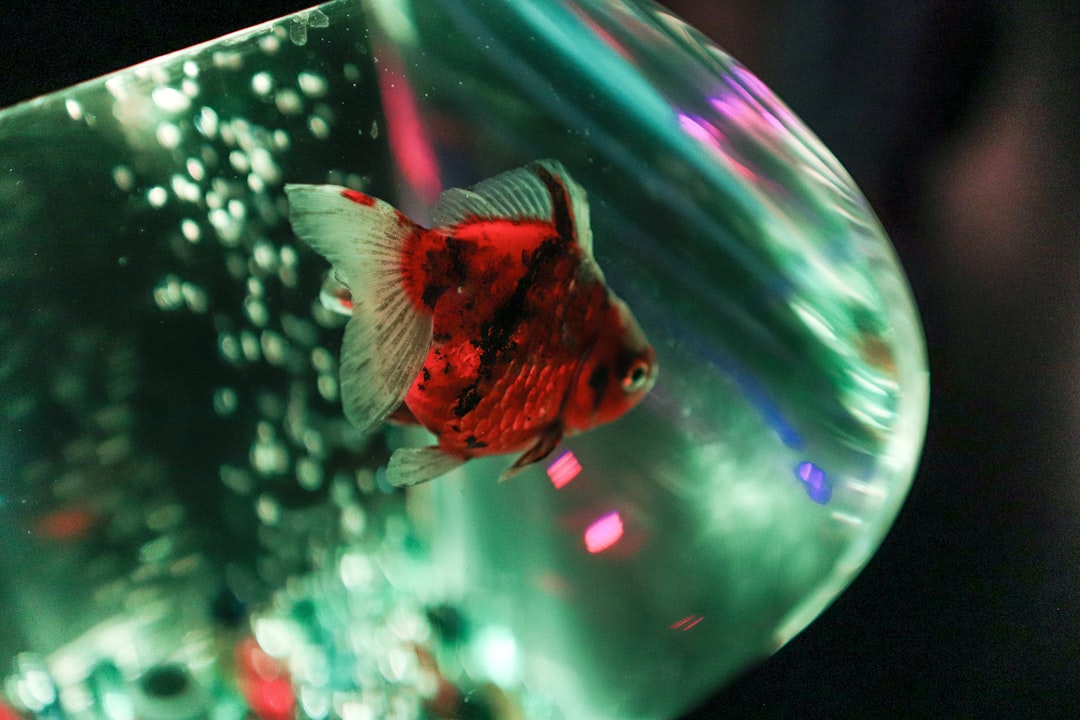
Many new fish keepers ask: “Can I add fish right after filling my tank?” The answer is no. You must condition your aquarium water for at least 2-4 weeks before adding any fish.
Without conditioning, ammonia from fish waste builds up rapidly. This toxic compound kills fish within 3 to 7 days. Conditioning means establishing the nitrogen cycle—the biological process that makes aquarium water safe.
What Happens Without Conditioning
When you add fish to unconditioned water, they immediately produce waste. Uneaten food also decomposes. Both release ammonia.
Ammonia is highly toxic. It burns fish gills, damages internal organs, and causes stress that leads to disease. At levels above 0.5 ppm, fish begin showing symptoms:
- Gasping at the surface
- Red or inflamed gills
- Lethargy and loss of appetite
- Clamped fins
In a new tank without established bacteria, ammonia has nowhere to go. It accumulates until the fish die or you intervene.
The Nitrogen Cycle Explained
Conditioning water means building a colony of beneficial bacteria in your filter. These bacteria convert toxic compounds into safer forms:
- Ammonia — Fish waste and rotting food produce this
- Nitrite — Bacteria convert ammonia to nitrite (still toxic, but less than ammonia)
- Nitrate — Other bacteria convert nitrite to nitrate (much less toxic)
Nitrates at low levels are manageable. Plants absorb some. You remove the rest through regular water changes.
This cycle cannot happen instantly. The bacteria need time to multiply and colonize your filter media, gravel, and decorations.
How to Condition Your Water
Follow this process before adding fish:
Step 1: Set Up the Tank
Fill your aquarium with dechlorinated water. Use a water conditioner product to remove chlorine and chloramine from tap water. Chlorine kills beneficial bacteria, so this step is essential.
Install your filter and heater. Run the filter continuously. Bacteria need oxygen and a surface to grow on—filter media provides both.
Step 2: Add an Ammonia Source
You need ammonia to feed the bacteria. Choose one of these methods:
- Fishless cycling: Add pure ammonia daily (2-4 ppm target)
- Fish food method: Add small amounts of fish food to decompose
- Hardy fish method: Add a few hardy fish (less humane, risks fish health)
Fishless cycling is the safest approach. It builds a full bacterial colony without risking any fish.
Step 3: Test the Water Regularly
Use a liquid test kit (API Freshwater Master Test Kit is common) to measure:
- Ammonia
- Nitrite
- Nitrate
At first, you will see ammonia rise. After 1-2 weeks, nitrite appears as bacteria begin processing ammonia. After another 1-2 weeks, nitrate appears as the second bacterial colony establishes.
Step 4: Wait for the Cycle to Complete
The cycle is complete when:
- Ammonia reads 0 ppm
- Nitrite reads 0 ppm
- Nitrate is detectable (5-20 ppm)
This typically takes 2-4 weeks. Temperature, filter type, and bacterial additives affect timing.
Step 5: Add Fish Slowly
Even after cycling, do not add all your fish at once. Add a few fish first. Wait a week. Test the water. If ammonia and nitrite stay at zero, add more.
This gradual approach prevents sudden spikes that overwhelm your bacterial colony.
Testing When Water Is Ready
Before adding fish, confirm these readings:
| Parameter | Safe Level |
|---|---|
| Ammonia | 0 ppm |
| Nitrite | 0 ppm |
| Nitrate | Below 40 ppm |
| pH | Stable, within species range |
Test at the same time each day for consistency. Some test kits require waiting time for accurate results. Follow the instructions exactly.
Common Shortcuts That Fail
Beginners often try to speed up conditioning. These shortcuts usually fail:
Adding Fish Immediately
Some stores say “add fish the same day.” They sell products claiming to “instant cycle” tanks. These products add some bacteria, but not enough for a full cycle. Fish still suffer ammonia exposure.
Using Old Filter Media
Transferring filter media from an established tank can speed up cycling. However, if the media dries out or is not handled properly, the bacteria die. This still requires testing before trusting.
Skipping Testing
You cannot know your water is safe without testing. Clear water does not mean safe water. Ammonia and nitrite are invisible.
Summary Checklist
Before adding fish:
- Tank filled with dechlorinated water
- Filter running continuously for at least 2 weeks
- Ammonia source added during cycling
- Ammonia tested at 0 ppm
- Nitrite tested at 0 ppm
- Nitrate detectable (cycle complete)
- pH stable
- Temperature stable and correct for species
- Fish added gradually, not all at once
Conditioning water takes patience. But this patience prevents the most common cause of new fish deaths. Follow the cycle. Test the water. Add fish only when the numbers prove safety.
Comments