How to Feed Different Fish Species in a Community Tank: A Species-by-Species Guide
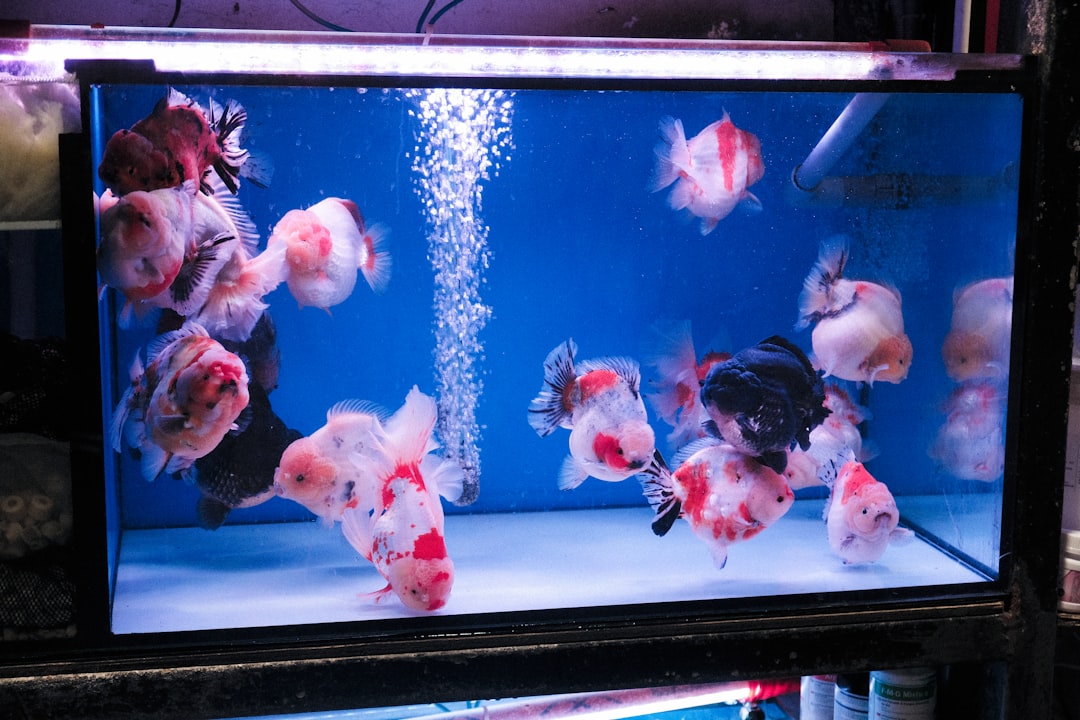
Use a combination of floating food for surface feeders, slow-sinking pellets for mid-water fish, and sinking wafers or tablets for bottom dwellers. Feed in different areas of the tank and consider timing: add sinking food first so it reaches the bottom before surface feeders consume it all.
Different fish species have evolved specific feeding behaviors based on their natural habitats. Surface feeders like bettas and guppies hunt at the top. Mid-water fish like tetras and angelfish feed in the middle column. Bottom feeders like corydoras and plecos forage on the substrate. Using matched food types ensures each group receives appropriate nutrition without competition.

Why Feeding Position Matters
Fish anatomy determines where they eat. Mouth position, body shape, and swimming style all reflect evolutionary adaptations to specific feeding zones.
- Surface feeders have upturned mouths that scoop food from above. Their bodies often tilt upward naturally.
- Mid-water feeders have terminal mouths positioned forward. They swim horizontally and chase food as it drifts.
- Bottom feeders have downturned mouths that probe substrate. Their bodies flatten toward the bottom for close contact.
These anatomical differences mean one food type cannot serve all fish effectively. Floating flakes never reach bottom feeders. Sinking wafers float away from surface fish. A three-tier strategy matches food delivery to fish anatomy.
Surface Feeder Guide
Surface feeders occupy the top few inches of the water column. They spot food immediately when it hits the water and often consume it before it sinks.
Common Surface Feeders
- Bettas: Solitary, slow-moving, need floating pellets sized for their small mouths
- Guppies: Active, school loosely, eat flakes and small floating pellets
- Hatchetfish: Skittish, jump frequently, need floating flakes near tank cover
- Danios: Fast, energetic, consume flakes rapidly, often outcompete slower species
Food Types for Surface Feeders
- Floating pellets: Stay at the surface for 10-15 minutes, ideal for bettas and larger surface fish
- Flakes: Float briefly then sink slowly, good for guppies and danios
- Floating granules: Smaller than pellets, suited for small surface species
Portion Guidelines
For a 20-gallon tank with 10-15 small surface fish, start with 2-3 pellets or a pinch of flakes. Observe consumption speed. Bettas eat slowly—drop pellets one at a time. Danios eat fast—add flakes in small amounts to prevent gulping.
Feeding Frequency
Most surface feeders need 2-3 feedings daily. Bettas tolerate twice-daily feeding well. Active species like danios benefit from three smaller meals.
Mid-Water Feeder Guide
Mid-water fish swim through the middle column and chase food as it drifts downward. They often intercept sinking food before bottom feeders reach it.
Common Mid-Water Feeders
- Tetras: School tightly, active, eat flakes and slow-sinking pellets
- Angelfish: Slow, deliberate, need larger pellets they can swallow whole
- Rainbowfish: Active, colorful, consume flakes and pellets
- Barbs: Fast, sometimes aggressive, eat most food types
Food Types for Mid-Water Feeders
- Slow-sinking pellets: Drift through the water column over 5-10 minutes, giving mid-water fish time to intercept
- Flakes: Sink gradually after floating briefly, accessible to mid-water fish during descent
- Micro-pellets: Small enough for tetras, sink slowly enough for interception
Portion Guidelines
For 10-15 mid-water fish in a 20-gallon tank, use 5-8 slow-sinking pellets or a moderate pinch of flakes. Tetras eat quickly—add food in two stages to prevent all pellets reaching the bottom immediately. Angelfish eat slowly—drop pellets near them individually.
Competition Issues
Mid-water fish often outcompete slower species. Tetras chase and grab sinking pellets before angelfish reach them. If you notice slow fish getting excluded, feed in separate tank zones or use feeding rings to contain food.
Bottom Feeder Guide
Bottom feeders forage on substrate, searching for food that reaches the tank floor. In community tanks, they frequently starve because surface food never descends.
Common Bottom Feeders
- Corydoras: School on the bottom, need sinking wafers and tablets, also eat leftover flakes
- Plecos: Large, nocturnal, need algae wafers and driftwood access, fed 1-2 times daily
- Loaches: Active bottom dwellers, eat sinking pellets and frozen foods
- Otocinclus: Small algae eaters, graze continuously, supplement with algae wafers
Food Types for Bottom Feeders
- Sinking wafers: Sink immediately to substrate, designed for bottom feeders with high vegetable content
- Sinking tablets: Dissolve slowly on substrate, accessible to Corydoras and loaches
- Frozen bloodworms: Sink rapidly, ideal for carnivorous bottom species like some loaches
Portion Guidelines
For 5-6 Corydoras in a 20-gallon tank, use 1-2 sinking wafers broken into pieces. For plecos, one large wafer or half an algae wafer suffices. Loaches need more—3-4 sinking pellets or equivalent frozen food.
Feeding Timing
Bottom feeders benefit from feeding after lights out. Plecos and some loaches feed nocturnally. Corydoras feed anytime but may avoid bright areas during the day. Evening feeding lets bottom species access food without surface competition.
Pleco Special Needs
Plecos require driftwood in the tank regardless of food type. They graze on wood fiber for digestion. Even well-fed plecos need wood access—without it, they may develop digestive problems.
Practical Feeding Sequence for Mixed Tanks
A structured sequence ensures all feeding zones receive food without competition overwhelming distribution.
Step 1: Add Sinking Food First
Drop wafers or tablets to the far corners of the tank. Let them sink undisturbed for 10-20 seconds before adding other food. This timing lets bottom feeders locate food before surface fish create movement that draws their attention.
Step 2: Add Slow-Sinking Pellets
Drop slow-sinking pellets near mid-water fish—away from the corners where bottom food landed. Pellets drift through the middle column over 5-10 minutes, giving tetras, angelfish, and rainbowfish time to intercept.
Step 3: Add Floating Food Last
Drop floating flakes or pellets near surface feeders. Bettas, guppies, and danios eat at the top while other food continues descending. This order prevents surface fish from grabbing all food before it reaches other zones.
Step 4: Observe Distribution
Watch for 3-5 minutes. Note whether:
- Bottom feeders reach wafers before surface fish descend
- Mid-water fish intercept pellets during descent
- Surface feeders consume floating food within 3 minutes
- Any fish get excluded or chased away
Adjust timing and locations based on what you observe.
Feeding Tools That Help
Several tools improve food distribution in community tanks.
Feeding Rings
Floating rings contain flakes and pellets in a defined area. Surface feeders eat within the ring while food remains contained. Rings prevent wind dispersal and help shy fish approach food without competition across the entire surface.
Automatic Feeders
Timed feeders deliver consistent portions. Some models rotate through multiple food types, letting you load flakes, pellets, and wafers in separate compartments. Automatic feeders help maintain schedule consistency when you travel.
Feeding Dishes
Small dishes placed on substrate hold sinking wafers. Corydoras and plecos learn to visit dish locations. Dishes prevent food scattering and help you monitor consumption.
Common Mistakes in Community Tank Feeding
Several errors cause nutrition gaps even when feeding amounts seem adequate.
Forgetting Bottom Feeders
Many beginners feed only flakes and floating pellets. Bottom feeders receive nothing unless leftover scraps accidentally descend. Corydoras often starve silently while surface fish appear healthy.
Using Only One Food Type
Flakes serve surface and mid-water fish but never reach bottom dwellers. Pellets sink before surface fish eat them. Wafers sink too fast for mid-water interception. Use all three types for complete coverage.
Overfeeding Surface Fish
Surface feeders consume quickly and often overeat. Their rapid consumption removes food before it reaches other zones. Portion surface food carefully—small amounts consumed in 2 minutes leave other zones accessible.
Ignoring Species-Specific Needs
Carnivorous fish need protein-heavy diets. Herbivorous fish need plant content. Community tanks with mixed diets require varied food types. Using only general flakes may starve specialist species.
Quick Reference Table
| Species | Feeding Zone | Food Type | Portion (per feeding) | Frequency |
|---|---|---|---|---|
| Betta | Surface | Floating pellets | 2-4 pellets | 2x daily |
| Guppies | Surface | Flakes, small pellets | Pinch of flakes | 2-3x daily |
| Tetras | Mid-water | Slow-sinking pellets, flakes | 5-8 pellets | 2-3x daily |
| Angelfish | Mid-water | Larger pellets | 2-3 pellets | 2x daily |
| Corydoras | Bottom | Sinking wafers, tablets | 1-2 wafers | 1-2x daily |
| Plecos | Bottom | Algae wafers | 1 wafer | 1-2x daily |
| Loaches | Bottom | Sinking pellets, frozen | 3-4 pellets | 1-2x daily |
Adjust portions based on fish size and tank population. The table provides starting guidelines for observation-based refinement.
Feeding Fry and Juveniles
Young fish need more frequent feeding than adults. Their rapid growth demands constant nutrition availability.
- Fry (under 1 inch): Feed 4-6 times daily with micro-foods like infusoria, liquid fry food, or crushed flakes
- Juveniles (1-2 inches): Feed 3-4 times daily with appropriate-sized pellets or flakes
- Young fish in community tanks: Separate feeding may help if adult fish outcompete them
Fry food particles often float or drift slowly. Adult fish may consume fry food before young fish reach it. Consider breeding traps or separate fry tanks for intensive feeding.
Summary
Community tank feeding succeeds through a three-tier strategy. Surface feeders get floating food. Mid-water fish get slow-sinking pellets. Bottom dwellers get sinking wafers and tablets.
Feed sinking food first, then slow-sinking pellets, then floating food. This sequence lets each zone receive appropriate nutrition before competition intercepts it.
Watch feeding sessions to catch distribution problems. If surface fish grab everything, reduce portions or use feeding rings. If bottom fish get excluded, add wafers in corners before other food enters the tank.
Fish anatomy determines feeding zone. Match food type to mouth position and swimming style. A betta’s upturned mouth cannot reach sinking wafers. A Corydoras’ downturned mouth cannot scoop floating flakes.
Temperature affects feeding frequency. Warm water above 75°F supports 2-3 daily feedings. Cool water below 70°F needs reduced frequency—once daily or every other day.
Young fish need more frequent feeding than adults. Fry require 4-6 daily meals. Juveniles need 3-4 daily meals. Adults thrive on 2-3 daily meals.
Use feeding rings, automatic feeders, and substrate dishes to improve distribution. Tools help maintain consistency and prevent food scattering.
Observe every feeding session. Your fish behavior tells you what works and what needs adjustment. The strategy works when all fish eat calmly and finish within 3 minutes.
Comments