7 Beginner Fish Keeping Mistakes That Kill Fish Fast
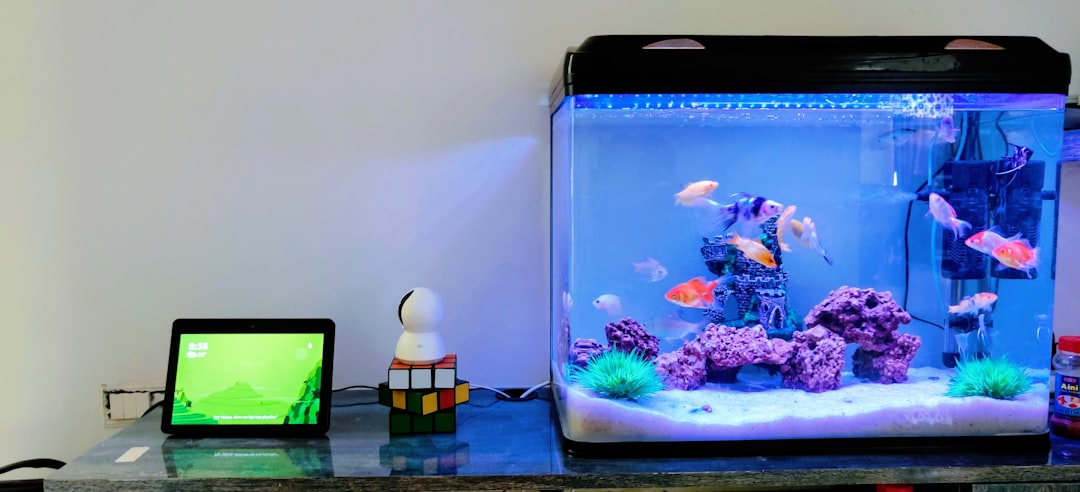
Many beginners watch their fish die within the first week. The pattern is common: fish appear healthy one day, then gasp, hide, or float lifeless the next.
These deaths are not random. They follow predictable mistakes. Understanding these errors before you start prevents most early losses.
Mistake #1: Adding Fish Before Conditioning Water
The most frequent cause of early fish death is adding fish to an unconditioned tank. New water contains no beneficial bacteria. Fish waste immediately produces ammonia, which builds up with nowhere to go.
Ammonia burns gills and damages organs. Fish exposed to ammonia spikes often die within 3-7 days, even if they looked healthy when purchased.
The fix: Condition your water for at least 2-4 weeks before adding fish. This establishes the nitrogen cycle—the biological filter that converts toxic ammonia into safer compounds.
Mistake #2: Overfeeding

Overfeeding is the second most common beginner mistake. Fish do not need multiple meals per day. Most fish thrive on one small feeding daily, or even every other day for some species.
Excess food sinks and rots. It releases ammonia rapidly. The water turns cloudy as bacteria multiply to process the waste, but the bacterial colony cannot keep up with sudden ammonia surges.
Signs of overfeeding:
- Cloudy or milky water
- Uneaten food accumulating on the bottom
- Fish with swollen bellies
- Algae blooms appearing suddenly
The fix: Feed only what fish can consume in 2-3 minutes. Remove uneaten food immediately. If you see leftover food, you fed too much.
Mistake #3: Overcrowding
Pet stores sometimes encourage buying many fish at once. The old “one inch of fish per gallon” rule is misleading. It ignores filtration, species behavior, and fish activity levels.
Overcrowded tanks have multiple problems:
- Ammonia builds faster than bacteria can process
- Oxygen levels drop
- Stress increases aggression
- Disease spreads rapidly
The fix: Start with fewer fish than your tank can theoretically hold. A 20-gallon tank might safely house 8-10 small fish, not 20. Consider the adult size of the fish, not the juvenile size at purchase.
Mistake #4: Temperature Shock
Fish are sensitive to temperature changes. Dumping fish from a warm store bag into a colder home tank causes shock. Fish may appear fine initially, then die hours later.
The same problem occurs during water changes. Adding cold tap water to a warm tank stresses fish and weakens their immune response.
The fix: Float the transport bag in your tank for 15-20 minutes before releasing fish. This equalizes temperature gradually. For water changes, match the new water temperature to the tank temperature within 2 degrees.
Mistake #5: No Water Testing
Clear water does not mean safe water. Ammonia and nitrite are invisible. Beginners often assume everything is fine because the tank looks clean.
Without testing, you cannot detect problems before they harm fish. Ammonia at 1 ppm causes stress. At 2-3 ppm, fish begin dying.
The fix: Buy a liquid test kit. Test ammonia, nitrite, and nitrate weekly during the first month. Test before adding fish and after any water change. Keep a log of results to track trends.
Mistake #6: Mixing Incompatible Species
Some fish do not belong together. Common mismatches:
- Aggressive species with peaceful species (bettas with guppies, cichlids with tetras)
- Fast swimmers with slow swimmers (barbs with bettas)
- Large fish with small fish (angelfish with neon tetras)
- Different water requirements (goldfish with tropical fish)
Incompatible fish fight, chase, or stress each other. Stress leads to disease. The weaker fish often die first.
The fix: Research each species before purchase. Check temperament, adult size, and water preferences. Choose fish that share similar needs and peaceful behavior.
Mistake #7: Skipping Quarantine
New fish carry diseases. Store tanks mix fish from many sources. Parasites and bacteria travel on fish surfaces and in shipping water.
Adding new fish directly to your main tank introduces these pathogens. If your existing fish have no immunity, an outbreak can kill the entire tank.
The fix: Keep a small quarantine tank. Place new fish there for 2-4 weeks. Watch for signs of disease. Treat any issues before moving fish to the main display.
Prevention Checklist for Beginners
Before adding fish:
- Tank cycled for 2-4 weeks with ammonia and nitrite at zero
- Water tested and parameters stable
- Temperature stable and appropriate for chosen species
- Fish species researched for compatibility
- Quarantine tank prepared (or plan to quarantine)
After adding fish:
- Feed once daily, only what is consumed in 2-3 minutes
- Test water weekly for ammonia, nitrite, and nitrate
- Observe fish behavior daily for stress signs
- Perform weekly water changes with temperature-matched water
- Do not add more fish until existing fish are stable
Summary
These seven mistakes account for most early fish deaths:
- Skipping water conditioning
- Overfeeding
- Overcrowding
- Temperature shock
- No water testing
- Wrong fish combinations
- Skipping quarantine
Each mistake has a straightforward solution. The common theme is patience: condition first, add fish slowly, feed sparingly, and test regularly.
Fish keeping succeeds when you follow the biology, not the impulse. The fish that survive the first month usually survive for years.
Comments